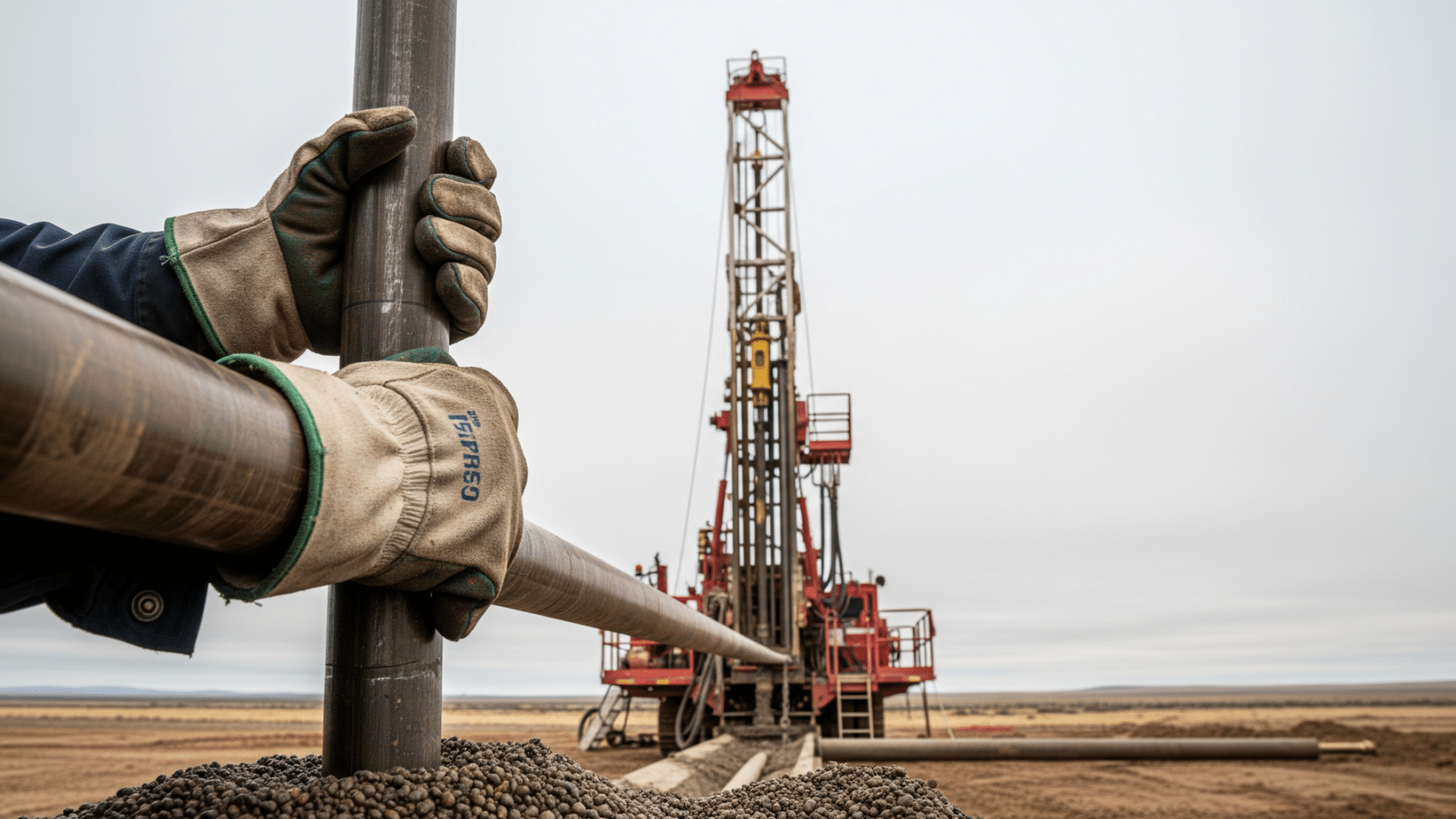
The U.S. Department of Energy has opened a major funding round dedicated to geothermal energy, making up to $171.5 million available for next-generation field tests and exploration drilling as the industry pushes toward commercial scale.
What the funding covers
On February 25, 2026, the DOE’s Office of Geothermal announced up to $171.5 million to support next-generation geothermal field tests, as well as characterization and confirmation drilling for next-generation and conventional hydrothermal resources.
These projects will target field-scale tests at depths and temperatures appropriate for full-scale project development, and exploration drilling activities to characterize and potentially confirm promising next-generation and hydrothermal prospects for electrical power production.
The announcement came alongside related legislative activity. The Next-Generation Geothermal Research and Development Act, H.R. 8790, sponsored by Reps. Pat Harrigan (R-N.C.) and Andrea Salinas (D-Ore.), passed the full House by voice vote under suspension of the rules, a process that streamlines consideration of legislation with broad support.
Why the funding matters now
The Infrastructure Investment and Jobs Act provided earlier geothermal demonstration funding. With this announcement, DOE is substantially increasing federal support for geothermal energy projects and their pathway to commercialization.
Although the United States leads the world in geothermal electricity capacity with about four gigawatts, DOE analysis shows the potential for at least 300 gigawatts of reliable, flexible geothermal power on the U.S. grid by 2050.
The DOE funding also coincides with a parallel military push into geothermal, as the Department of Defense has explored partnerships with geothermal developers to power domestic military installations, underscoring how broadly geothermal is now being treated as an infrastructure priority.
The technology gap the money targets
Conventional geothermal power depends on naturally occurring underground reservoirs of hot water or steam, which are geographically limited. Enhanced geothermal systems create their own reservoirs by fracturing hot rocks and pumping them full of water, using the same horizontal drilling techniques and fiber-optic sensing tools as the oil and gas industry to reach deeper wells and hotter sources than is possible with conventional geothermal technology.
The new DOE funding is designed to push the cost curve further down at the field scale, where laboratory results have not always translated cleanly to commercial projects.
The first commercial-scale enhanced geothermal plant worldwide, Fervo Energy’s Cape Station in Utah, has been the benchmark for what proven EGS economics can look like. Located in Beaver County, Utah, Cape Station will begin delivering first power to the grid in 2026, reaching approximately 100 MW of operating capacity by early 2027, with plans to scale to 500 MW. The project’s initial 100-megawatt installation is on track to start delivering power to the grid in October 2026, which will make it the first commercial-scale enhanced geothermal project to hit such a milestone worldwide, according to Fervo.
Broader resource potential
DOE analysis cites the potential for at least 300 gigawatts of reliable, flexible geothermal power on the U.S. grid by 2050. Today, the U.S. leads the world in geothermal electricity capacity, but that leadership still amounts to only about four gigawatts. The gap between current output and theoretical potential remains vast.
The DOE’s new funding round is a direct bet that field-validated data, gathered at realistic depths and temperatures, is the fastest way to close the distance between the resource estimate and the generator fleet.
Separately, the DOE’s Office of Geothermal has launched a 15-state effort to expand the use of firm, flexible geothermal power on the U.S. grid, by supporting states interested in geothermal nationwide. That initiative will work with participating states to set statewide geothermal goals, strengthen resource mapping, and advance policies and programs that reduce project costs and address regulatory barriers. Together, the funding opportunity and the multistate initiative represent a coordinated federal push for geothermal expansion.
