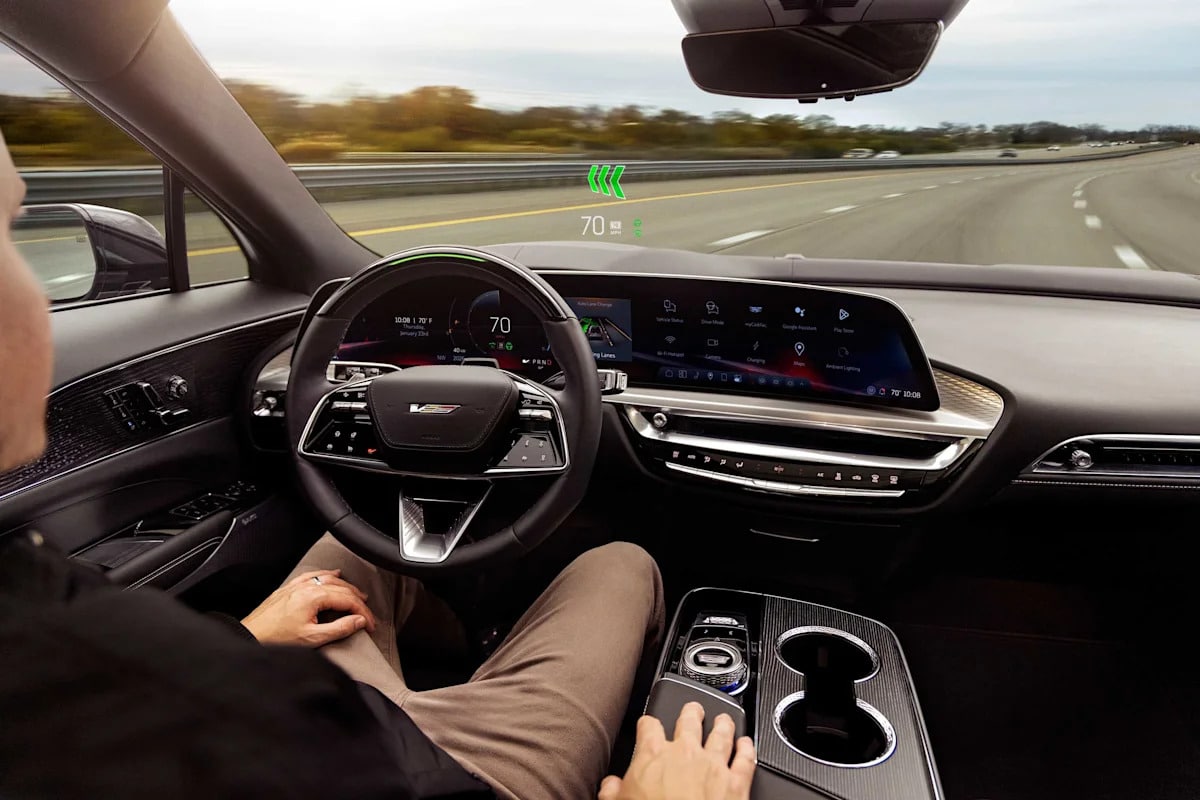
A green light traces the rim of the steering wheel, and the driver’s hands drop into their lap.
The highway unspools ahead, untouched, for mile after mile.
It feels like the future arrived early, bundled free with the new SUV sitting in the driveway.
But somewhere around the three year mark, a different kind of alert shows up instead, this one in an email from the automaker.
It does not warn about a hazard on the road.
It asks for a credit card.
How the free ride turns into a monthly bill
The mechanism is simple and buried in plain sight at the time of purchase. Super Cruise is available on about 20 newer higher-end gasoline and electric vehicle models, including many Cadillacs and large SUVs , across Chevrolet, GMC, Cadillac, and Buick, along with GM’s truck lineup, and every new vehicle equipped with Super Cruise includes three years of connectivity, and after this period ends, owners must purchase an eligible OnStar Super Cruise plan to continue using the service . The hands free highway system depends on a live data connection to keep its road maps current and confirm a car is on a stretch of mapped highway where the system is allowed to drive itself.
Super Cruise uses Global Positioning System (GPS) sensing, GPS-enhanced data, a high-precision map and a network of cameras to maintain control of vehicle steering on compatible roads, using real-time corrections and map data to determine the vehicle’s location , and an active, eligible OnStar Super Cruise plan is required to maintain that data connection. Once that window closes, the car does not forget how to drive itself, but it does lose the network link it needs to keep doing so legally and safely.
So the feature keeps the hardware. The cameras, radar and lidar are all still sitting in the dashboard and bumpers, fully wired and functional. Adaptive Cruise Control is designed to detect vehicles traveling in the same direction in its path and accelerate or brake the vehicle to maintain a driver-selected following distance , and regular cruise control will still function, but the hands-free Super Cruise capability will be disabled until the plan is renewed.
What the bill actually looks like once the trial ends
Picture an owner three years after delivery, the free period gone, checking the automaker’s own pricing page for the first time. Current plans posted this fall show that for 2025-and-newer vehicles, Basics is free for eight years. Connect Plus and Protect each cost $19.99 per month, OnStar One costs $34.99 per month, and Super Cruise costs $39.99 per month , right alongside cheaper connectivity only tiers that leave it out entirely.
For 2024-and-older vehicles, the listed monthly prices run from $14.99 for Connect to $49.99 for OnStar One , with Super Cruise itself still listed separately at $39.99, according to pricing GM Authority compiled this fall.
Stretch that across five years and the gap widens fast. A driver paying near $40 a month faces roughly $960 total cost, just to keep a feature that came standard for its first three years with no new hardware added.
A rival’s hands free system follows a near identical pattern, a bundled trial followed by a recurring plan. It is part of a wider shift where features once built into one sticker price now renew like a phone bill, the same shift reshaping pricing on electric SUVs nationwide.
The take rate tells the real story
Here is the number that matters more than any sticker price: most owners simply let the subscription lapse. In 2024, about 20% of roughly 18,000 users signed up for a Super Cruise subscription after the complimentary subscription ended , CEO Mary Barra said during GM’s fourth-quarter earnings conference call. That figure has since climbed as the program matured: between 30% and 40% of eligible customers continue paying for Super Cruise after the three-year period included with their vehicle ends, according to GM . Even at the higher end, that still means somewhere between six and seven out of every ten owners let it lapse.
That is a striking gap for a feature the company has bet heavily on. GM forecast that Super Cruise would bring in about $2 billion in total annual revenue within five years .
So the math only works two ways. Either enough buyers keep paying, or the installed base keeps growing fast enough to offset the dropouts.
That is why the automaker has pushed the feature onto more affordable models, betting volume will eventually outweigh the renewal gap, with approximately 50,000 new Super Cruise customers added in the first quarter alone as it expands to more vehicles.
Where the subscription model runs into resistance
Even so, the fine print creates friction that shows up in owner forums and dealer reviews. Drivers frequently note that losing the subscription does not disable the car entirely, since core safety tools like adaptive cruise control and lane keeping assist keep working without a monthly fee.
What vanishes is specifically the hands off, eyes on the road highway driving, plus features like automatic lane changes. That distinction matters, because a buyer who assumed the whole suite was permanent discovers only the basic layer survives.
Pricing also varies by plan and bundle. Super Cruise costs $39.99 per month on its own, while OnStar One runs $34.99 a month separately, and GM has at times offered bundled or discounted renewal rates to owners directly, a gap that suggests shoppers should read the fine print rather than assume one flat rate applies everywhere.
What it means for anyone cross shopping a hands free car
None of this makes the system a bad one. Independent reviewers have repeatedly called its hands free highway performance among the most polished on sale, and GM reports vehicles using Super Cruise have accumulated over 700 million hands-free miles without a single crash attributed to the system .
Even so, the hidden catch is real and worth pricing in before signing anything. A shopper comparing a loaded SUV against a rival priced near $58,000 should treat that monthly fee as part of the true cost of ownership, not a footnote.
That is the honest trade underneath the glossy demo drive. Three years of a genuinely impressive feature, free and dazzling.
What follows is a decision every owner eventually makes alone, much the way buyers now weigh certified pre-owned pricing against sticker promises elsewhere in the industry.
