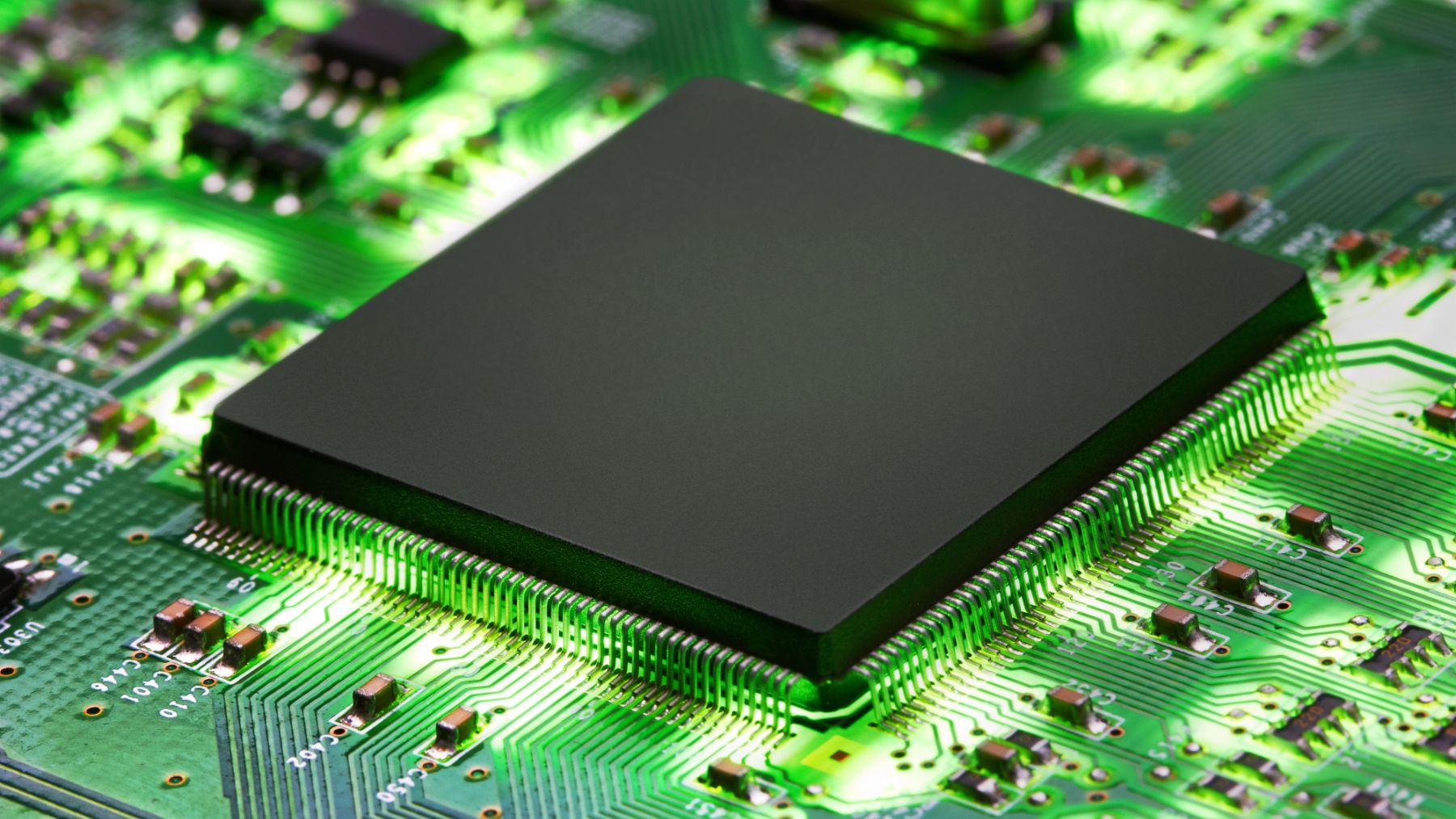
India is currently on the verge of achieving a technological breakthrough that could significantly enhance its economic standing. Prime Minister Narendra Modi has announced that the first domestically manufactured semiconductor chip will be released by the end of the year. The statement shows India’s ambitions of becoming the third-largest economy in the world sooner than we think.
From local to global: India’s economic leap forward
Semiconductors are the backbone of all electronic devices, powering smartphones and laptops, electric vehicles, and even advanced defense systems. For decades, India has had to rely on imports to meet its semiconductor needs. The COVID-19 pandemic and international tensions have shown how threatening this dependence is. But, according to PM Modi, the first “Made in India” chip is expected to be available by the end of 2025.
The semiconductor chip initiative is only part of the economic vision, as Modi stated that India is going to become the third-largest economy in the world, giving Germany and Japan a run for their money. This claim is based on the steady GDP growth in India as well as digital economy growth, and India’s young and tech-savvy population also comes into the fold.
Powering prosperity and global influence
By getting into the semiconductor chip market, India hopes to lower its trade loss and create thousands of well-paid jobs for its citizens. The government has already initiated the India Semiconductor Mission (ISM), which aims to provide great benefits and infrastructure support to companies willing to establish a semiconductor chip assembly unit in the country. Provinces such as Gujarat and Karnataka, which are known for their skilled workforce, are provinces that are being eyed as hubs for semiconductor chip manufacturing.
The initiatives to establish a semiconductor chip ecosystem face some hurdles. Chip production requires advanced technology, large capital investments, and a highly skilled labor force. India will need to work with industry leaders in semiconductor chip design and production.
The semiconductor chip supply chain is also complex and global. Resources and trademarks are usually obtained in different countries, and India’s success will depend on how well the industry can overcome these challenges while also maintaining product quality and economic edge.
Politics behind borders: India needs to strategize amid international tensions
India’s chip plans also have a global strategic aspect. As tensions between major players such as the U.S. and China increase, more countries are seeking to broaden their supply chains. India’s entry into the global market could make way for significant collaborations and technology exchanges that would boost its economic standing as well as its national security.
Industry leaders have responded positively to the news, and tech entrepreneurs and investors believe that it will finally open the doors for the next boom in tech innovation, which is something that has been a long time coming. Learning institutions are actively preparing to offer courses in semiconductor chip engineering to ensure the supply of talent.
Indian citizens are hopeful about job opportunities
Citizens are also hopeful. The prospect of high-tech jobs and the decreased need for imports appeals to the population that is eager for India to assume its rightful place among global tech innovators. To them, the semiconductor chip represents more than just technology; it also represents a matter of pride and hope for a brighter future.
The announcement that India will create its first domestically produced semiconductor chip is a huge turning point in the nation’s economic development, and while some challenges will remain, the vision is clear – India will not just participate in the global tech market; it also aims to lead. As the country prepares to become the third-largest economy, the semiconductor initiative could ignite a fresh wave of tech-driven progress and durability (at the same time as working on trade diversification to offset U.S. tariffs).
