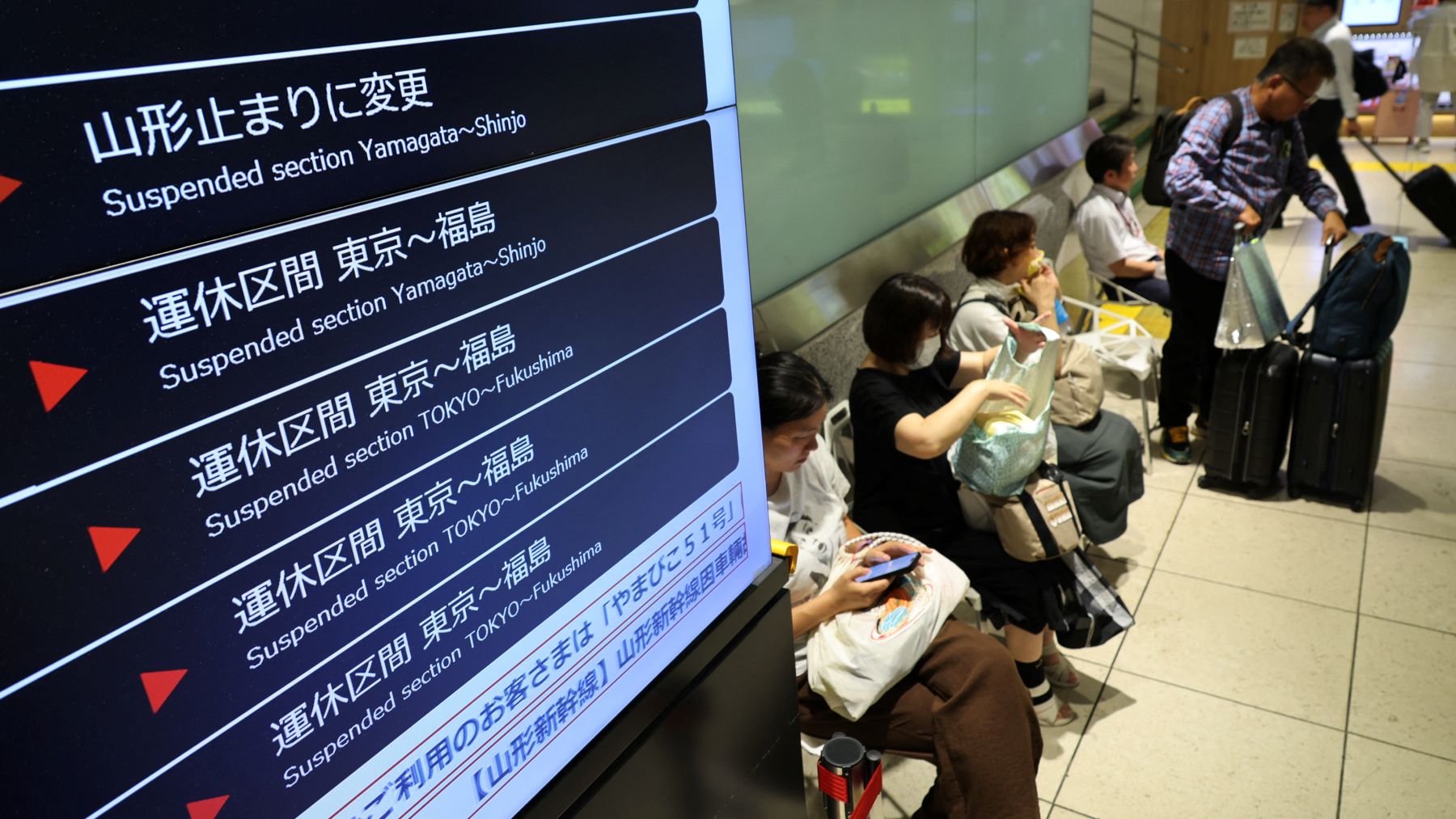
The tsunami that recently occurred in Japan has aroused bad emotions in citizens and residents. In Japan, where land and sea have long coexisted in a precarious equilibrium, seismic activity news has special significance. It is about the memories and scars caused by past calamities, not just about keeping an eye on natural phenomena. A new tsunami warning that was issued this week sent people to higher ground and reignited discussions that many had previously wanted to put on hold. For anyone who experienced the terrible events of March 2011, these warnings are more than just precautions.
Japan’s tsunami forecasts bring up bitter memories of the 2011 tragedy
Residents across Japan’s Pacific coast rushed to higher ground on Wednesday as tsunami warnings following a massive earthquake off Russia’s Far East resurfaced painful memories and lessons from the devastating 2011 earthquake and nuclear disaster. Television banners flashed “TSUNAMI! EVACUATE!” and similar warnings as most broadcasters cut regular programming to issue warnings and focus on evacuation orders.
A news presenter at public broadcaster NHK shouted,
“Do not be glued to the screen. Evacuate now!”
The warnings resurfaced memories of the March 11, 2011, earthquake, when more than 15,000 people died after a 9.0-magnitude tremor triggered a massive tsunami that tore through the Fukushima nuclear power plant and caused a radioactive disaster. Many residents were unable to reach higher ground in time as surging waters from waves that were dozens of metres high engulfed much of the country’s northeastern coast.
Amid tsunami fears, millions of people and workers at Fukushima are being asked to evacuate
As frightened as they were, on Wednesday, residents recalled those events as evacuation warnings were issued. A woman in Fukushima told NHK,
“When the earthquake struck before, everyone evacuated to higher ground so I thought about doing the same.”
Workers in low-lying areas of Tokyo Electric Power’s 9501.T Fukushima nuclear facility suspended their decommissioning after the evacuation warning was issued and fled to higher ground. A spokesperson said the evacuation did not pose a safety concern. More than 2 million people along the Pacific coast were also instructed to head to safer areas.
Many recalled lessons learnt from the 2011 disaster – known to locals as “3.11” – and braved heatstroke risks in the intense summer to reach higher ground. In Japan’s coastal Mie prefecture, a 58-year-old woman died when her car fell off a cliff while she was evacuating, broadcaster TV Asahi reported. An official at the Japan Meteorological Agency warned that tsunami waves could continue to hit for a day or more.
The importance of being ready for natural disasters in a nation at risk
Japan’s geography influences how it prepares for disasters. Early-warning systems and public awareness campaigns are crucial since the nation, which is situated along the Pacific “Ring of Fire”, has frequent earthquakes and volcanic activity. Over time, the government has improved its plans for responding to disasters. Japan is not the only nation with these circumstances; there was a major quake that hit Russia’s Far East.
Conversations are once again focusing on how Japan can manage living in continual danger while making sure that the agonising memories of the past do not impede progress when the most recent tsunami warning is lifted and citizens return to their homes. Alerts like this one, according to several survivors of the 2011 tragedy, are a reminder that being vigilant must continue to be a part of daily life. Additionally, even in regions and nations where their form of disaster is extreme heat causing drought, it is important to note that extreme heat exposes cracks in public health and safety systems.
GCN.com/Reuters.
