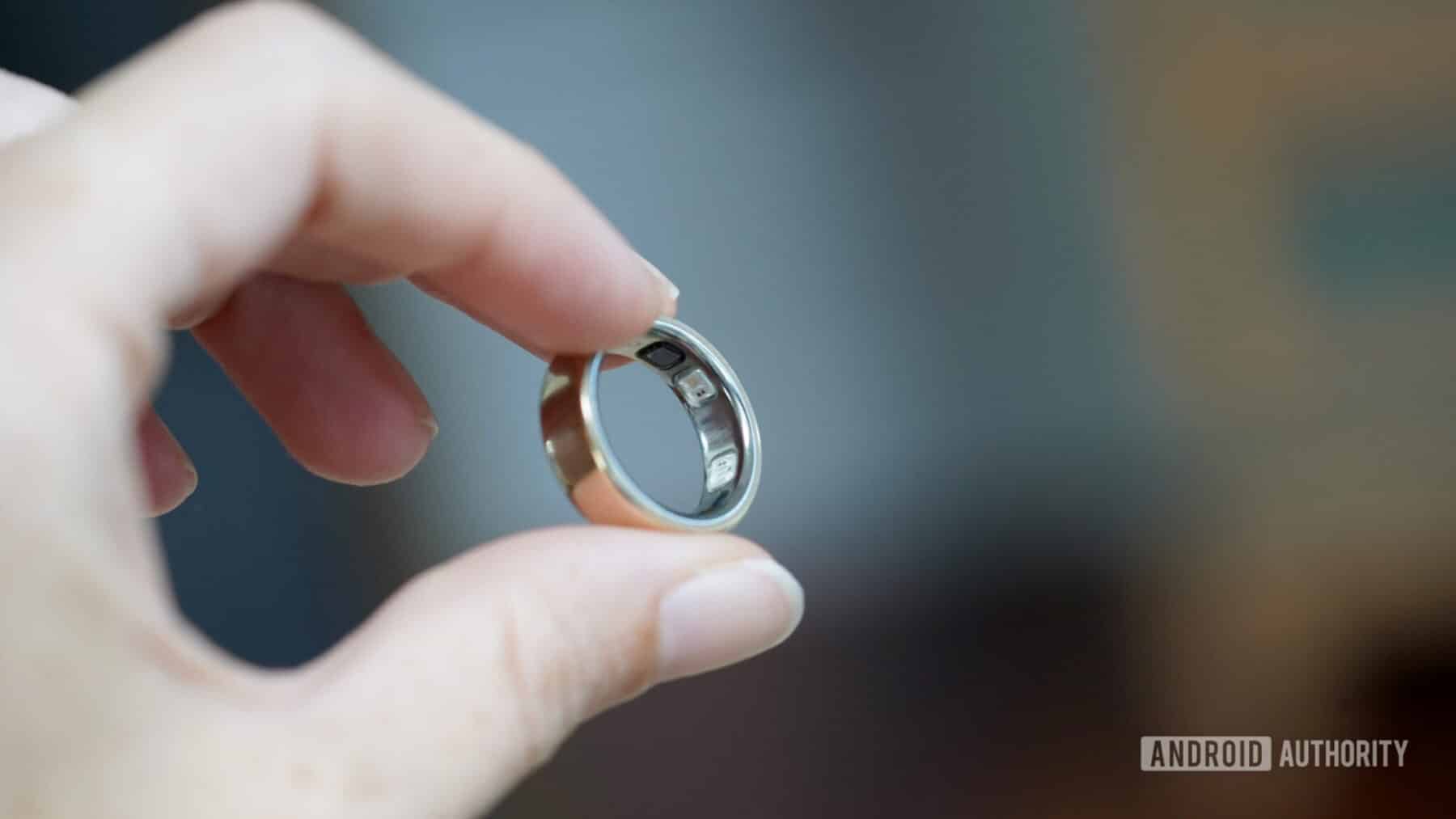
Oura has launched a new feature called Jet Lag Plan that uses a wearer’s historical sleep data to generate a personalized schedule for adjusting to a new time zone.
The feature, announced by the company, rolling out November 17 to global Oura Members , according to a report confirming the rollout.
How the feature works
Using data the company has collected on users’ sleep, the new feature allows Oura Ring owners to receive personalized guidance from the Oura app that will tell them how to structure their day to avoid the worst effects of jet lag.
Oura says members can use the feature by entering their flight details and reason for traveling in the Jet Lag section of the Oura app’s menu.
The resulting plan goes beyond sleep timing alone. From there, Oura will generate a custom plan with sleep times, when to seek out sunlight, and when to have caffeine that you can check off as you go throughout your day.
Light exposure timing is one of the most studied levers for resetting the body’s circadian rhythm after long-haul travel.
Research behind the tool
Oura built the feature on an academic foundation rather than starting from scratch. Jet Lag Plan builds on the existing sleep history your Oura Ring has collected and follows a 2025 National University of Singapore study that analyzed de-identified Oura sleep data from more than 57,000 members.
A press release explained that Jet Lag Plan was developed using a March 2025 study conducted by the National University of Singapore. The study analyzed de-identified data covering 1.5 million nights of sleep from over 57,000 Oura members to determine how sleep shifted before and after about 65,000 long-distance trips.
That scale of data gives the company a basis for modeling how different sleep patterns respond to time zone shifts. Gizmodo’s coverage of the launch was later updated to clarify the relationship between the 2025 study and the new feature.
The ring itself does not do anything new to collect this information. Jet Lag Plan instead repackages sleep metrics the device already gathers overnight, applying them to a forward-looking travel scenario rather than only a backward-looking daily score. Raphael Vallat, a staff machine learning scientist at Oura and a researcher on the study, said most earlier work relied on “small samples or lab-based studies.”
Part of a broader wearables push
The update lands as ring and watch makers race to differentiate on software rather than hardware alone, since most wearables already share similar sensor packages.
That mirrors a trend already visible across the industry, where companies increasingly lean on AI-driven coaching layered atop existing biometric sensors rather than new chips, similar to how AI systems are being asked to manage growing volumes of data to produce more useful, personalized outputs.
Travel-specific health guidance also represents a growing subcategory within wearables, as the devices increasingly position themselves as always-on advisors rather than passive trackers.
The approach echoes the way other consumer technology products are increasingly built around continuous, personalized software updates rather than one-time hardware launches, a pattern also seen in how device makers are shifting toward subscription-style software features long after the physical product ships.
Oura has not disclosed how many members have used Jet Lag Plan since launch. The feature is not available on Gen2 or older rings.
Oura Ring 5 starts at $399; membership costs $6 per month or $70 per year.
The feature arrives ahead of the US holiday travel season, when millions of Americans cross time zones for Thanksgiving and winter trips, a period when consumer interest in travel wellness tools typically rises.
