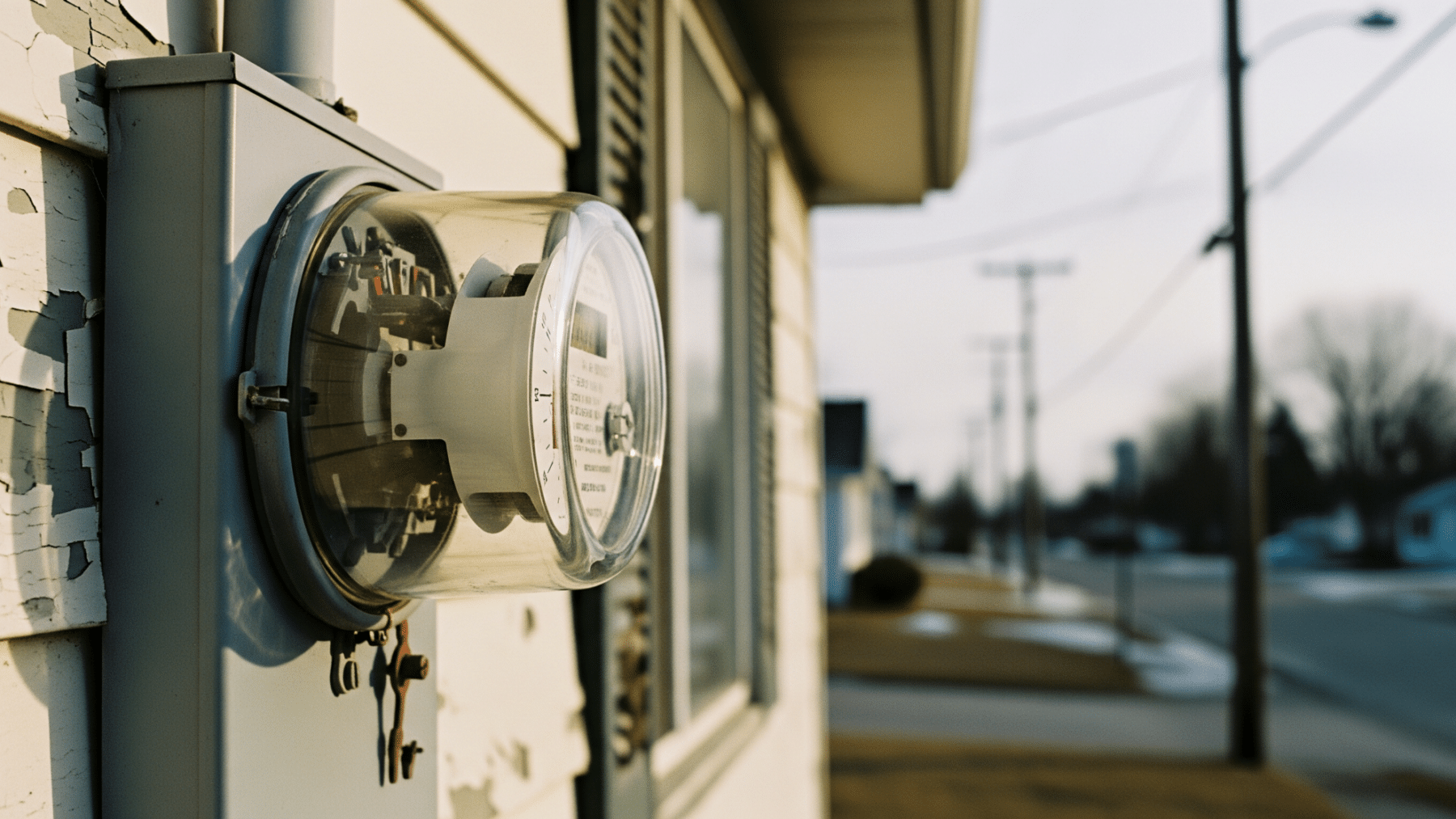
Every month, roughly 135 million U.S. households open a utility bill and pay whatever number is printed at the bottom. Most never ask how that number was set, who approved it, or what is already in the pipeline to change it.
The answer runs through a regulatory system that most Americans have never engaged with and rarely hear about until the damage is done.
The bill most people ignore until it hurts
Electric and gas utilities across the country have filed rate increase requests with their respective state regulators, affecting tens of millions of customer accounts.
A rate case is a formal proceeding where an electric or gas utility asks its state regulator for permission to change the rates it charges customers.
Utilities cannot raise prices on their own. They must file an application with their state’s Public Utility Commission, provide detailed financial justification, and go through months of review before any change takes effect.
That process sounds like a safeguard. It is, but it is not a guarantee prices stay flat.
The process typically takes 6 to 18 months. By the time most customers notice a change on their bill, the decision was made long before.
A number buried deep in regulatory filings
Residential electricity costs have increased by nearly 40 percent since 2021, outpacing overall inflation.
Average U.S. residential electric rates increased 7.3 percent from the year before to 18.8 cents per kilowatt-hour in April, according to the U.S. Energy Information Administration.
Those numbers are already baked into current bills. The bigger question is what regulators are processing right now for the months ahead.
Utilities have justified their requested rate hikes for a range of reasons, including replacing old poles and wires, rebuilding infrastructure damaged by extreme weather, and investing in grid hardening.
Why the South is carrying the heaviest load
Southern utilities requested $4.5 billion in rate increases in Q2 alone, more than double the next-highest region, affecting more than 26 million customers.
Consumers in the Midwest face $2.7 billion in requested rate hikes across 14 million customers, while Western customers face an additional $1.5 billion.
Regulators in states like Colorado are already managing competing filings. An Xcel Energy case and a separate Black Hills filing are both moving through the Colorado Public Utilities Commission at the same time, compressing the review calendar and the attention of commissioners.
Outright rejections are vanishingly rare. PowerLines’ analysis of 2025 rate requests found just two of 83 were rejected, though nearly half remained pending at the start of 2026.
The $18.6 billion figure hiding in plain sight
Here is the number that almost no household ever sees in a news headline: $18.6 billion.
The PowerLines quarterly index shows utilities have requested $18.6 billion in electric and gas rate increases during the first half of 2026, with a record $9.2 billion in requests filed during the second quarter of this year alone, surpassing the Q2 2025 total by 26 percent.
That total is in addition to the record-breaking nearly $31 billion utilities requested in 2025, and $15 billion in 2024, some of which has already shown up in customers’ bills.
Oncor in Texas filed the largest single increase, at $1.2 billion. Dominion Energy in Virginia sought $1.5 billion across three rate requests.
The Edison Electric Institute estimates that investor-owned utilities will spend about $1.4 trillion from this year through 2030 on capital investments, with capital expenditures expected to jump 17 percent this year to nearly $239 billion.
The PowerLines Q2 2026 report tracks every major filing state by state, and the picture it paints is of a capital super-cycle landing squarely on household bills.
For customers already stretched by higher grocery and housing costs, a rate hike notice in the mail is often the first signal that the pipeline ever existed.
According to the National Energy Assistance Directors Association, about 21.5 million U.S. households, roughly 1 in 6, are behind on their energy bills.
What stands between that number and your next bill
State regulators often approve increases at lower rates than what utility companies request, meaning state officials will ultimately determine what additional costs are passed on to consumers.
State utility regulators approved 58 percent of the total costs utilities sought to add to their rates from 2023 through 2024. That is meaningful compression, but it still means most of what utilities ask for eventually arrives.
Regulators face mounting pressure to scrutinize utility spending plans while balancing the infrastructure investments that a modernizing grid genuinely requires.
“Summer is when Americans pay attention to what electricity costs because their utility bills are often higher,” said Charles Hua, Founder and Executive Director of PowerLines. “The amount of utility rate increase requests in these filings shows the pressure on household energy bills isn’t easing.”
The rate cases being decided in state commission rooms this quarter will not show up on most bills until 2027. The math is already written. The only open question is how much of it regulators choose to pass through.
