Every time a New England household paid its electric bill over the past decade and a half, a small charge was folded quietly into the total.
It was not a fuel surcharge. It was not a storm recovery fee. It was a percentage point, a return on equity built into the region’s transmission rates and passed on to customers without a second glance.
Most people never noticed it.
Now, after a legal fight that outlasted four presidential administrations, a federal regulator has decided that percentage was simply too high, and the bill has come due.
What hides inside a transmission charge that almost nobody reads
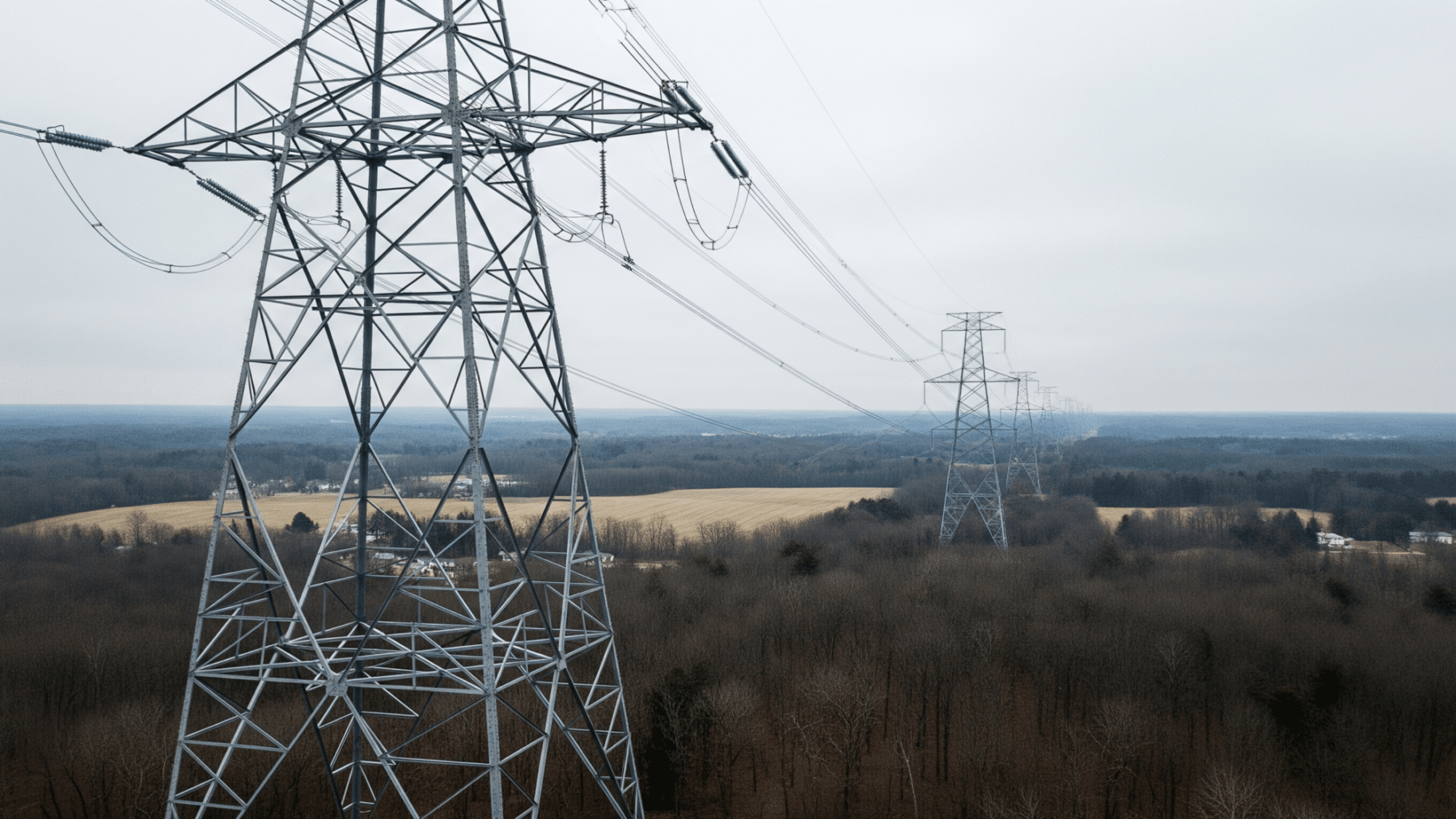
When a utility strings high-voltage lines across a state, it is entitled to earn a return on that investment.
That return is set by federal regulators as a percentage of capital, and it flows directly into the transmission charges that every electric customer pays.
New England consumers paid about $24 per megawatt-hour in base transmission charges in 2024, which is about $15 per megawatt-hour higher than in New York and about $6 per megawatt-hour above the PJM Interconnection, according to Jefferies.
For years, nobody challenged it publicly. Then, in 2011, someone did.
The complaint that opened a case longer than most mortgages
FERC’s eventual decision resolved four separate complaints over the return on equity for New England transmission owners, and the first of those complaints was filed in 2011.
The case wound through hearings, appeals and a 2017 court decision that vacated FERC’s initial decision and sent it back to regulators from scratch.
FERC ordered the transmission owners to provide refunds, with interest, for a 15-month period starting October 1, 2011, and also from October 16, 2014, to the present.
All that time, the charges kept running, and customers kept paying.
How a rate fight turns into a dollar figure nobody expected
Regulators do not move fast, but the math they eventually produce can be striking.
While FERC deliberated, the interest clock ran alongside every bill.
Since the first complaint over the utilities’ transmission return on equity was filed in 2011, the utilities overcharged ratepayers by more than $1 billion, while households face electricity affordability challenges, according to the New England Conference of Public Utilities Commissioners.
The utilities pushed back hard. They argued that consumers would face “rate whiplash” if they received refunds and a subsequent court ruling in the utilities’ favor then required those refunds to be withdrawn.
Regulators were not persuaded. The deadline kept approaching.
The number FERC finally put on years of an overlooked percentage
In mid-March, FERC retroactively cut the base return on equity it gives to transmission owners in New England to 9.57 percent from 10.57 percent, following nearly 15 years of litigation, and ordered the region’s transmission owners to refund to ratepayers an estimated $1.5 billion by May 20, 2027.
Eversource’s utilities would be responsible for the largest share of the refunds, about $880 million, while Avangrid’s New England utilities are being told to pay back $203 million.
FERC rejected a request from Avangrid and other New England transmission owners to put on hold the $1.5 billion in refunds pending an appeal.
The decision also reduces New England transmission rates by about $140 million a year, according to the Maine Office of the Public Advocate.
One percentage point, held for years, compounded with interest: $1.5 billion.
What comes next for customers still waiting on their share
The utilities have not given up. Eversource, Avangrid and other New England transmission owners have asked FERC to increase their base return on equity to 11.39 percent, up from the 9.57 percent level the agency just set.
New England governors and utility regulators asked FERC to reject that request and proceed with the refunds.
The broader pattern is not unique to New England. Across the country, utilities routinely file for transmission rate adjustments, and those proceedings can stretch for years before regulators act, by which point the accumulated overcharges can dwarf any single line item on a bill.
For New England customers, the question now is not whether the money is owed. FERC has settled that. The question is how quickly a decade and a half of a quiet, overlooked percentage finally finds its way back to the people who paid it.
