The E1 project represents a significant strategic improvement in one of the most sensitive areas of the Israeli-Palestinian conflict. Because it connects the settlement blocs to East Jerusalem, this plan ultimately inflames the territorial dilemma and challenges the viability of a Palestinian state. Smotrich’s decision signals a geopolitical shift at a time of heightened tension in multilateral relations involving Israel.
Israel takes controversial stance on E1 settlement plan
Israeli far-right Finance Minister Bezalel Smotrich announced that work would start on a long-delayed settlement that would divide the West Bank and cut it off from East Jerusalem, a move his office said would “bury” the idea of a Palestinian state. The Palestinian government, allies and campaign groups condemned the scheme, calling it illegal and saying the fragmentation of territory would rip up peace plans for the region.
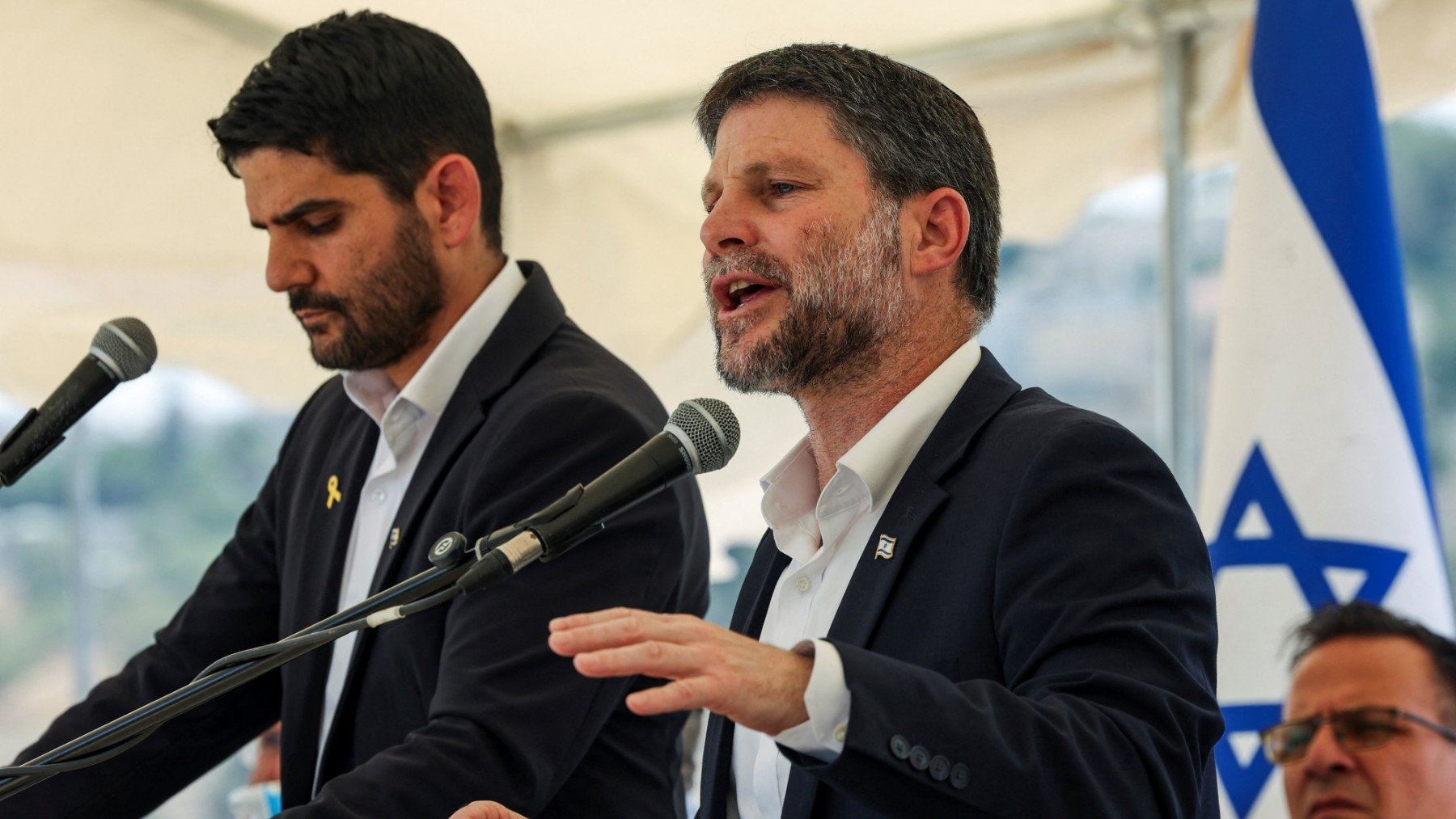
Standing at the site of the planned settlement in Maale Adumim on Thursday, Smotrich, a settler himself, said Prime Minister Benjamin Netanyahu and U.S. President Donald Trump had agreed to the revival of the E1 development, though there was no immediate confirmation from either.
Asked about his remarks, a U.S. State Department spokesperson said: “A stable West Bank keeps Israel secure and is in line with this administration’s goal to achieve peace in the region,” and referred reporters to Israel’s government for further information. Israel froze construction plans at Maale Adumim in 2012, and again after they were revived in 2020, amid objections from the U.S., European allies and other powers who considered the project a threat to any future peace deal with the Palestinians.
Colony expansion generates international reactions
Restarting the project could further isolate Israel, which has watched some of its Western allies condemn its military offensive in Gaza and announce they may recognize a Palestinian state. Palestinians fear the settlement building in the West Bank – which has sharply intensified since the 2023 Hamas attack on Israel that led to the Gaza war – will rob them of any chance to build a state of their own in the area.
In a statement headlined “Burying the idea of a Palestinian state,” Smotrich’s spokesperson said the minister had approved the plan to build 3,401 houses for Israeli settlers between an existing settlement in the West Bank and Jerusalem. In Maale Adumim, Smotrich, an ultra-nationalist in the ruling right-wing coalition who has long advocated for Israeli sovereignty over the West Bank, told Reuters the plan would go into effect on Wednesday.
Protests are taking place, encouraging Washington to take action.
Some human rights organizations argue that this project ultimately reinforces a pattern of territorial segregation, which is dangerous because it exacerbates Palestinians’ reduced access to land, water, and services. Palestinian leaders and international allies see the plan as a deliberate attempt to consolidate Israeli control, which will further hinder the resumption of peace negotiations and the creation of a geographically viable Palestinian state.
Breaking the Silence, an Israeli rights group established by former Israeli soldiers, said what it called a land grab “will not only further fragment the Palestinian territory, but will further entrench apartheid”. Nabil Abu Rudeineh, the Palestinian president’s spokesperson, called on the United States to pressure Israel to stop settlement building.
What are the potential consequences for diplomatic tension?
Pressure is mounting on the US administration regarding this conflict, and this is expected to increase in the coming weeks as regional leaders mobilize to prevent a larger conflict. Meanwhile, the EU and Arab countries are issuing early warnings about the impacts of this savage settlement expansion. If this plan goes ahead, it could further isolate Israel economically and politically, damaging both its international image and its long-term security.
GCN.com/Reuters
