Meta has begun rolling out parental supervision tools for Threads in the United States, bringing screen-time controls and nighttime lockouts to a platform that reached 500 million monthly active users in June 2026. The rollout begins in the United States the week of July 28, 2026.
What the new controls offer parents
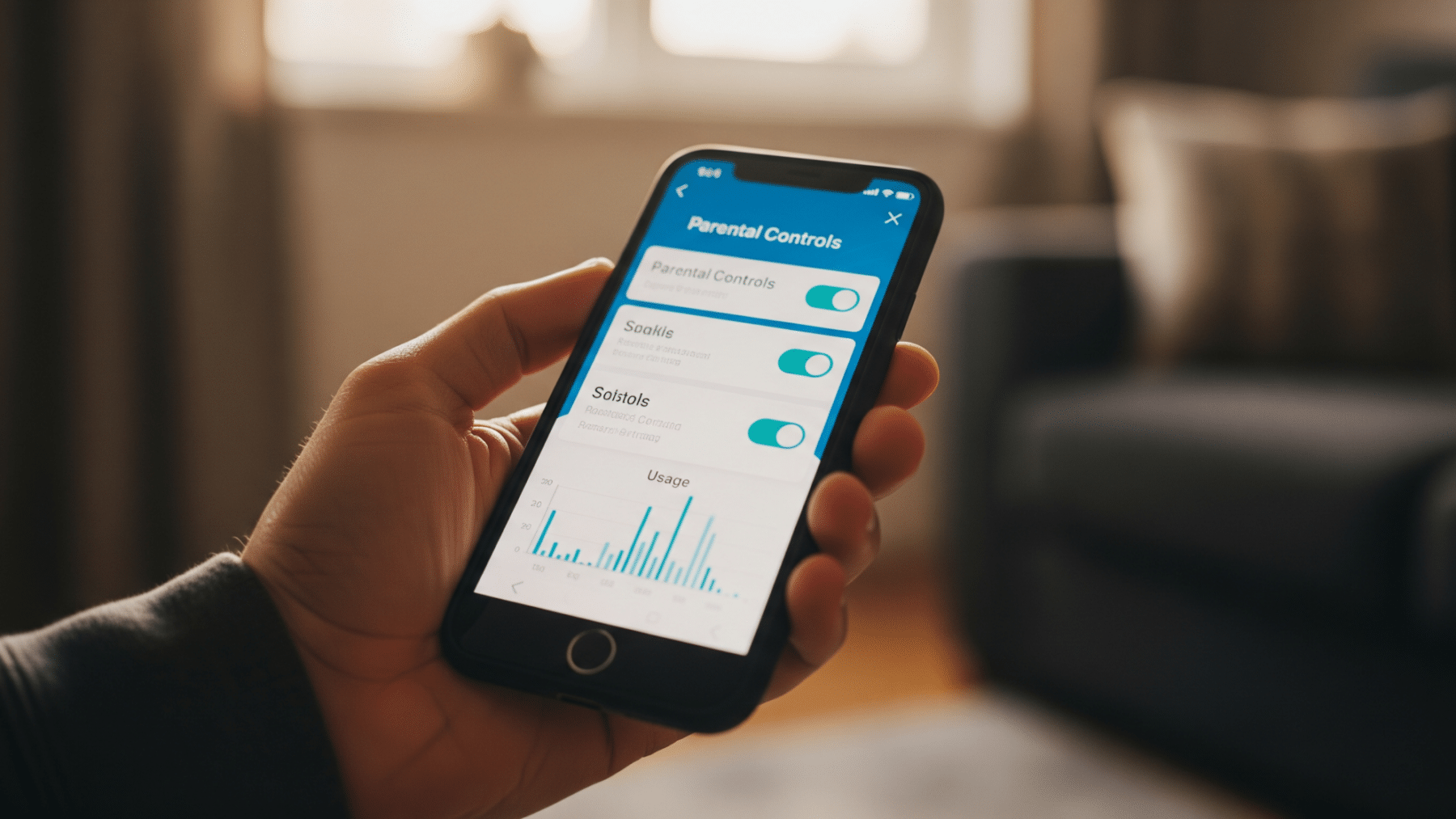
According to Meta’s announcement, Threads’ first wave of parental-supervision tools are designed to allow guardians to view their teen’s time spent on the app, set daily time limits, adjust the sleep mode, and manage privacy settings via Meta’s cross-platform Family Center.
Parents and guardians will be able to view how much time their teen spent on the platform each day for the past week, including their average daily time spent for the week.
They will also be able to set a daily time limit and block access during select days and hours. If a teen uses Threads across multiple devices, like their phone and laptop, the time limit will apply to the total time spent using Threads.
Notifications are muted and auto-replies are turned on by default for all teens from 10:00 p.m. to 7:00 a.m.
Parents and guardians can also manage the tagging feature, controlling which accounts can and cannot tag their teen in posts, while also managing the approving sensitive content preferences. Setup runs through familycenter.meta.com/supervision, the same portal Meta uses for parental controls on its other apps.
A gap three years in the making
Meta previously introduced similar parental controls on Instagram and Facebook, making Threads, which launched in July 2023 and now has about 500 million monthly users, the only major Meta platform without such tools until now.
When Threads announced its 500 million monthly active user milestone in June 2026, Meta also graduated its communities feature out of beta, launching a suite of highly requested features. Meta credited its communities feature for the platform surpassing the 500 million monthly active users milestone, which allows users to join spaces where they can discuss topics with others, like the NBA, books or movies.
The parental controls announcement sits alongside those community updates as part of the platform’s broader push into what Meta describes as a more mature, structured social space. Threads’ expanding user-generated content ecosystem has also drawn wider industry attention, as online posts now feed a $4.44 billion data-licensing market that researchers say is tightening on supply.
Regulatory pressure behind the move
As Meta faces increased regulatory pressures across the globe, including a $1.4 trillion lawsuit filed by four U.S. states, the tech giant is announcing parental supervision tools for Threads despite allegations that they could have little impact on teens’ social-media use.
On March 24, 2026, a New Mexico jury found Meta liable for failing to protect kids from child exploitation on its platforms and ordered the company to pay $375 million in damages for consumer-protection violations. Meta said it would challenge the decision. “We respectfully disagree with the verdict and will appeal,” a Meta spokesperson said.
In July 2026, the European Commission issued preliminary findings that Meta’s parental controls on Instagram and Facebook had failed to effectively tackle risks arising from addictive design. The Commission found the controls require too much technical expertise from parents to be effective at scale, and that Teen Account protections can be dismissed without enough friction to change habitual use.
A June 2026 study by the Cybersafety Research Center, a joint initiative from New York University and Northeastern University, tested 86 child safety features across Instagram, Snapchat, TikTok, and YouTube. The feature failure rates by platform were: Snapchat 73%, Instagram 66%, YouTube 55%, and TikTok 50%, meaning at least half of the features on every platform were found to be, in the study’s words, “broken, buried, or simply missing.”
Meta has not addressed that study directly in its Threads announcement.
Global expansion planned by year-end
The rollout begins in the United States the week of July 28, 2026. Meta has said it plans to expand parental supervision on Threads globally by the end of 2026 but has not published a country-by-country schedule.
In its announcement, Meta presented the change as part of its ongoing commitment to providing parents with helpful tools to support their teens across Meta’s apps, rather than a reaction to external pressure. The broader question of how much content flows through teen accounts on platforms like Threads has intensified interest in data practices across the industry, including the renegotiations now reshaping how tech giants value user-generated content.
Whether regulators in the EU and U.S. states with pending litigation will view it that way remains to be seen, with several cases still working through the courts as the new tools go live.
