
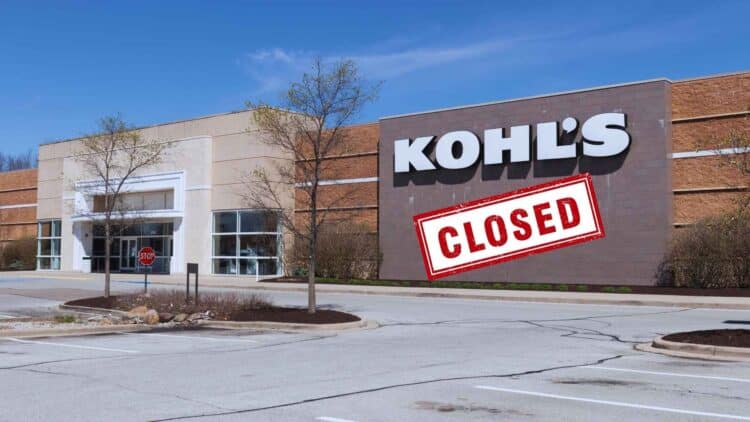
With inflated inflation rates and higher costs of living comes the unfortunate sacrifice of store closures for some companies. These are perhaps the most unstable times that the retail industry has faced in recent years and growing political tensions and economic instability are to thank for this.
The year has started off on a rather uncertain note for a multitude of reasons and the retail industry seems to be continuously taking a knock. 2024 ended with several renowned companies like Walmart, Macy’s, and Kohl’s announcing the closure of several of their respective stores across the country — and it seems this season of closures is persisting on into the new year.
Store closures in bulk
Citing reasons such as declining sales, economic pressures, and the increasing dominance of e-commerce, five major retail chains will be pulling down the shutters to several stores spanning across the United States. Consumers today, regardless of income cohort, are constantly looking for budget friendly options to maintain their lifestyle but how are they to sustain themselves if stores keep closing — are we on the precipice of a future where even basic grocery items like bread and milk are rare commodities?
Of course, the option of e-commerce is always there but once you consider delivery wait times and shipping costs, your total might work out to be higher than it would have if you had simply shopped in person.
Five major retailers closing some of their doors
Best Buy
The electronic goods specialist store is opting to lessen its physical footprint by closing several stores and shifting focus to online retail. The company has shown significant growth in online sales recently and is attempting to adapt to the modern consumer’s needs. Best Buy will keep profitable locations running whilst investing in digital tools to remain competitive.
Walgreens
The one stop shop for your health and wellness needs will also be closing some of its doors during the course of 2025. Much like Best Buy, the pharmacy chain is also choosing to prioritize its online store. This comes as a result of the growing demand for telemedicine and digital health solutions. In lieu of physical stores, customers can fulfill their wellness needs by means of virtual consultations and improved online pharmacy services. The company’s aim to create a more efficient business model in this manner aligns with the healthcare industry’s trend of integrating digital technologies to meet consumer needs.
Gap
The clothing retailer who was especially popular in the 90s, is also following the industry trend of scaling back on physical presence. Amidst competition from fast fashion and other online retailers, Gap has made the decision to invest in its digital infrastructure for the betterment of its customer’s online shopping experience. Just like any company, Gap’s main aim is to maintain profitability in this particularly challenging market whilst still meeting consumer needs. The retailer will do so by consolidating store branches with focus on high-performing areas.
CVS
The biggest pharmacy and healthcare chain in the States will also be enacting some big transformations to better cater to its customer’s needs. This year will see the closure of several CVS store locations to make room for the company to expand its health services and enhance its digital presence. The company’s aim with this is to transform the existing stores into wellness hubs. The plan of action for this goal is personalized healthcare services and digital capabilities like telehealth. This is the company’s attempt at keeping up with the broader trend of pharmacies shifting operations to meet the demand for digital services.
Kohl’s
Well-known department store chain, Kohl’s, has been struggling with competition from e-commerce and discount retailers as of late. To combat this, the retailer will be streamlining operations by closing underperforming stores and focusing on profitable ones. In addition to this, the company is working to further diversify its offerings. It is also investing in digital infrastructure to improve the online shopping experience and keep up with industry trends.