
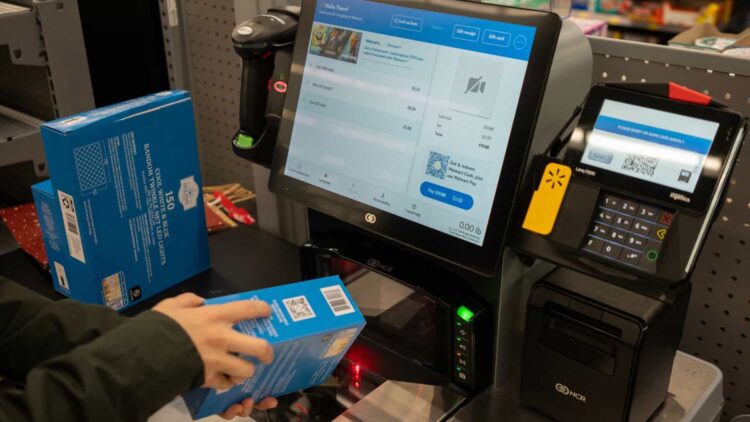
The future of supermarkets has remained almost the same for nearly 50 years, and barcodes have been central to the supermarket experience. These basic black-and-white stripes transformed retail by speeding up, a more precise, efficient checkout procedure. However, as innovative technologies seek to change the way we buy, the age of conventional barcodes might not last very long. Next-generation barcode technology is assured to alter supermarkets permanently.
How Barcodes Transform Retail Experience
Barcodes were first unveiled in 1974, and used for the first item ever scanned—a pack of Wrigley’s gum. As then, they have become vital for stores as speedier checkouts, better inventory control, and simplified supply chain operations make possible. Though efficient, conventional barcodes have some drawbacks. They call for individual scanning, which during peak hours could cause checkout lines to slow down. Furthermore, their dependence on visual line-of-sight scanning implies that objects will need to be exactly placed for robots to interpret them.
The Birth of Next-Generation Technology
Approaching the future: Rising among the top contenders to replace conventional barcodes are RFID (Radio Frequency Identification) and QR codes, RFID tags communicate using radio waves, unlike barcodes, which let several products be scanned concurrently without a direct view. Although this technology has already been embraced in big sectors like fashion retail and logistics, it is now finding its way to supermarkets.
Conversely, QR codes store more data and are simpler to scan, therefore providing an enhanced form of classic barcodes. Although they are currently extensively applied in digital marketing and mobile payments, their use in retail could streamline product tracking and improve customer engagement.
Advanced Barcode Technology’s Advantages
These technologies present several benefits in terms of introduction:
- Faster Checkouts: RFID technologies allow all products in a cart to be scanned at once, reducing waiting times dramatically.
- Automated systems will help to decrease mistakes brought by hand scanning.
- Retailers who watch stock levels in real-time help to minimize overstocking and out-of-stock.
- Lowering the demand for hand scanning, automation can help cut labor costs.
- Shoppers will spend more time appreciating their goods than in lines, hence improving their customer experience.
- Several top companies are already experimenting with technologies like Just Walk Out shopping, which tracks things as consumers place them in their carts using sensors, cameras, and RFID, like retail behemoths such as Amazon Go and Walmart. This eliminates the need for traditional checkouts.
Challenges to Overcome
Like every technical change, there are challenges to overcome.
High implementation expenses: Particularly for smaller stores, installing RFID devices or advanced scanning equipment can be expensive.
Consumers are growing cautious about how stores gather and exploit personal data.
System adaptation: Changing supply chains to fit new technology and personnel training calls for time and money.
Notwithstanding these difficulties, many professionals think this change is unavoidable as the advantages of using sophisticated barcode systems exceed the negative ones.
What This Means for Retailers
Including next-generation barcodes in supermarkets could cause the shopping experience to experience a total change. Imagine a world in which you can grab groceries and leave without waiting in line. As you leave the store, your purchases will be automatically registered and charged to your account. Apart from accelerating the process, advanced technology might allow tailored shopping experiences. RFID-enabled shelves, for instance, can suggest products depending on your dietary preferences or purchasing tastes.
The Future Is Not as Far Off as You Think
Although the conventional barcode has been somewhat helpful, its development is much needed. With efficiency, accuracy, and ease unlike past times, new scanning technologies seem to bring retail into the twenty-first century.
Supermarkets all around have to choose whether to welcome these developments or run the danger of lagging as they stand on the edge of this metamorphosis. For consumers, this change promises less time wasted, as purchasing is quicker, flawless, and customized to their requirements.
Even though barcodes have been the pillar of retail for decades, their next version is likely to transform supermarkets permanently.