
As the cost of living becomes an increasingly worrying crisis, consumers have become a lot more intentional about where they shop and this now extends to grocery stores as well. Shoppers are trying to save every last penny that they can and finding cheaper groceries can make a huge difference to their budgets since it is a consistent expense.
This begs the question, where is the cheapest place to shop for groceries?
How much are people paying for groceries on average?
According to statistics recorded by the Bureau of Labor, the average grocery bill is $270 per week, or $1,080 per month. Since August of 2020, almost five years ago, the figure has shown an astounding 20% increase. What makes this fact truly mind boggling is that this hefty jump in the cost of groceries is the steepest price increase on record since the 1970s.
The reality of costs does differ from state to state, however. For Hawaii, California, and Alaska, the cost of a weekly trip to the grocery store can range between $298 and $334. This is significantly higher than the average $200 weekly spend in states like Iowa, Wisconsin, or Nebraska.
The unfortunate fact of the matter, however, is that even in these more affordable states, consumers are still feeling the heat of inflation. As such, consumers are regularly on the hunt for bargains and discounts but how do they achieve this without sacrificing quality?
One supermarket chain that stands out in a highly concentrated industry is WinCo Foods.
Is WinCo Foods the most affordable grocery store in todays economy?
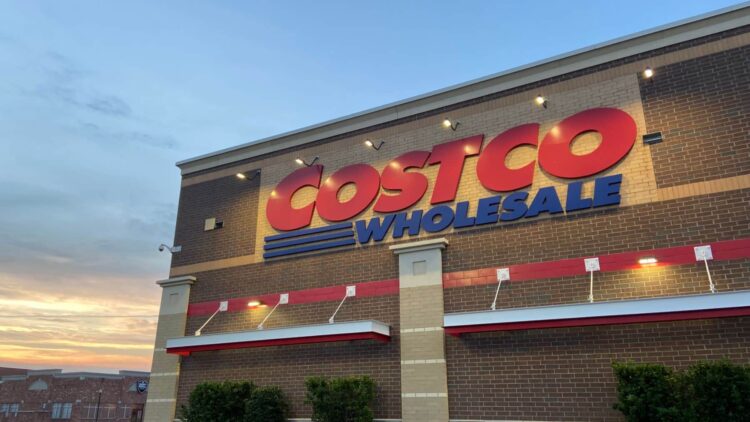
When looking for affordability and competitive pricing, Costco Wholesale is often the first retailer to come to mind. However, a membership with an annual fee ranging from $65 to $130 is required to gain access to the warehouse and its bargain deals, making it a less than feasible option for those on a tight budget.
Costco’s closest competitor, Sam’s Club also charges an annual member fee ranging from $50 to $110. The benefits of these memberships are, of course, numerable, but the annual fee may pose a hinderance to many.
In this regard, WinCo Foods stands out as the obvious option to consumers looking for a wholesale shopping experience without having to commit to an annual payment for membership privileges.
WinCo Foods can be found in ten states, including Utah, Texas, and California. WinCo is a pioneer at cost cutting innovations and the retailer is able to offer customers competitively low prices due to its practice of cutting out the middleman and buying directly from manufacturers or farms.
This grocery store does not invest in advertising and it also saves on labor costs by asking that customers bag their groceries themselves. Credit cards are also not accepted by the retailer, saving the company on high processing fees.
This business model is quite effective and allows the company to pass its savings on to customers. Another perk customers can enjoy is the bulk bin sections found in store. These bins contain a variety of hundreds of products that feature a reduced cost per unit.
This type of operational system is beneficial to not only the customers, but the employees as well. Another fun fact about WinCo is that the company is primarily owned by its very own employees which allows for greater financial security.
Grocery stores in the U.S. ranked
As enticing as the WinCo experience is, the warehouse style retailer was actually not the top grocer in the country according to Dunnhumby’s Retail Preference Index (RPI).
A survey conducted on over 11,000 customers revealed Texas-based HEB as the top contender thanks to its pricing and rewards system. Dunnhumby’s study also confirmed that in today’s time, the success of a U.S. supermarket retailer is entirely dependent on “saving customers money.”
According to the RPI, the top five grocery stores are:
- HEB (Regional Supermarket).
- Market Basket (Regional supermarket).
- Costco (Club Format).
- WinCo Foods (Regional supermarket).
- Aldi (Discount Format).