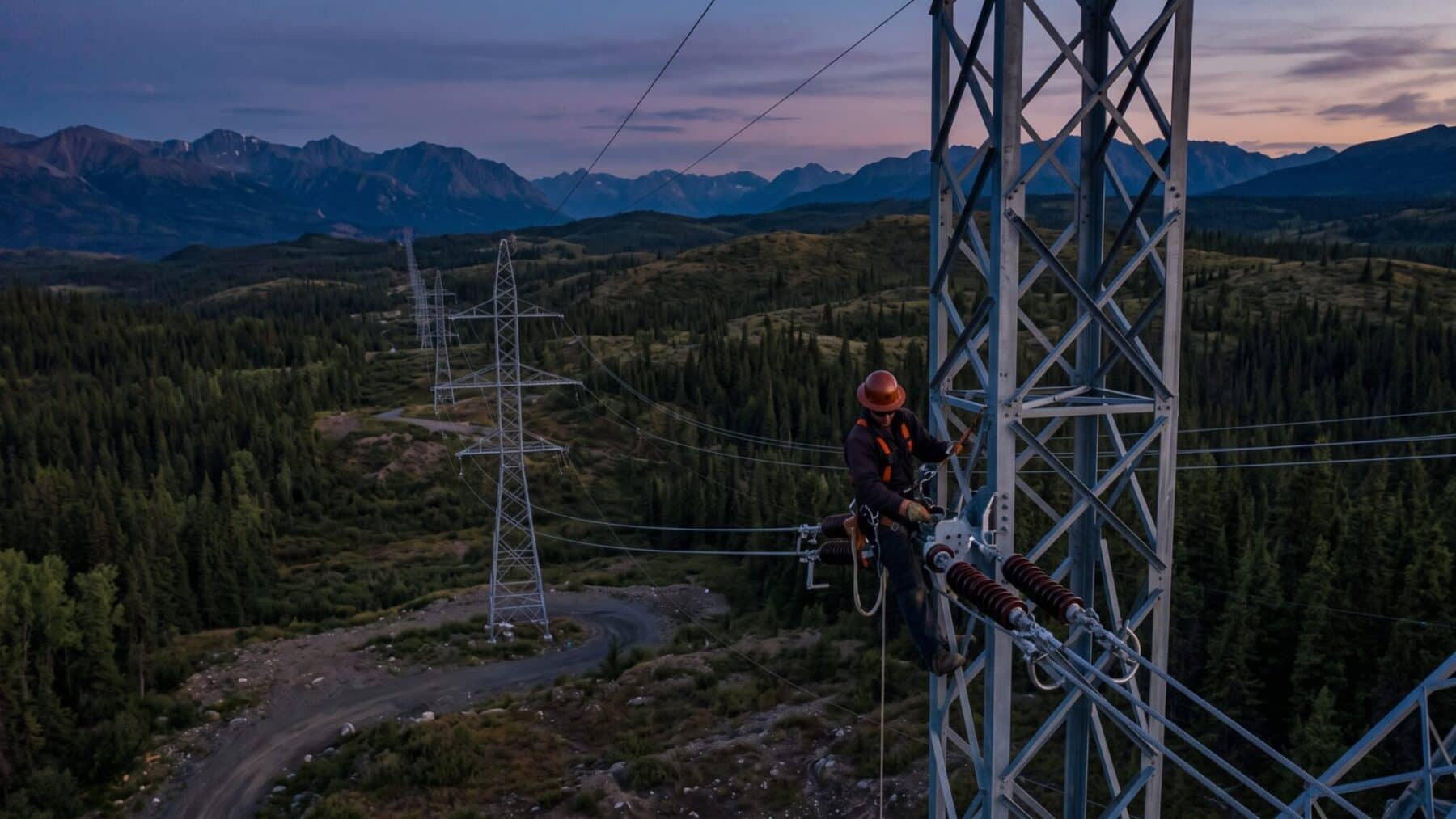
Picture the green box at the edge of a Pacific Northwest lawn, or the transformer humming on a pole in a Seattle suburb.
That hardware is aging. The grid feeding it is under pressure from data centers, heat pumps and electric vehicles, all pulling harder every season. A Washington state utility just told regulators it needs more than three billion dollars over three years to keep up. And the question now sitting before a state commission is how much of that bill lands on the family writing the monthly check.
How a rate case turns a capital plan into a charge on your bill
A general rate case is the formal channel through which a regulated electric or gas utility asks a state commission for permission to change what it charges customers. The utility files detailed cost evidence, the commission’s staff and outside parties scrutinize every line, and the regulator sets final rates that differ from the original ask more often than not.
The economics work like this: a utility builds or upgrades infrastructure, borrows money to do it, and is then allowed to earn a regulated return on that invested capital by collecting it from customers over time. Those project costs are spread over decades, so a large capital program filed today does not hit bills all at once. It arrives as annual revenue increases that regulators review and can trim before they take effect.
In Washington, any proposed rate changes for an investor-owned utility undergo a review of up to eleven months by the state commission. That gap between filing and decision is the window in which consumer advocates, industrial customers and state staff all argue their case.
What $3.2 billion of Pacific Northwest grid work actually covers
On February 27, 2026, Puget Sound Energy filed a three-year rate plan with the Washington Utilities and Transportation Commission. The plan enables PSE to continue delivering safe and reliable energy to its approximately 1.2 million electric customers and nearly 900,000 natural gas customers, meet growing energy demand, and continue making progress toward Washington state’s clean energy goals. The rate adjustments are needed to support over $3.2 billion in infrastructure investments focused on system safety, reliability, meeting growing customer demand, and compliance with Washington state’s clean energy requirements. About 70 percent of the investment targets the electric system.
The spending covers work that rarely makes headlines: major renovations at PSE’s Baker River hydroelectric project, a vital source of clean energy, deployment of an advanced distribution management system to support customers’ growing use of electric vehicles and distributed energy resources such as rooftop solar, and pipeline reliability investments for the natural gas delivery system. The managed-charging revolution hitting grids nationwide, explored in our look at active EV charging doubling grid hosting capacity, is one reason utilities need more headroom in their distribution systems.
PSE eliminated coal-fired resources from its electric supply in 2025 in line with Washington’s Clean Energy Transformation Act and has been adding clean energy resources to its portfolio since CETA’s passage in 2019. The new rate case is partly the bill arriving for work already done as well as work still ahead.
The numbers regulators will scrutinize most closely
For electric service, PSE is requesting overall increases of 15.2 percent in 2027, 3.7 percent in 2028 and 8.7 percent in 2029. For natural gas service, it is requesting 14.2 percent in 2027, 3.2 percent in 2028 and 3.6 percent in 2029.
If approved, a typical residential electric customer using 800 kilowatt-hours per month would see a monthly bill increase of approximately $28 starting in early 2027, then about $7 in 2028 and nearly $16 in 2029. A typical natural gas residential customer using 64 therms per month would see a monthly bill increase of about $14 in early 2027, about $4 in 2028 and nearly $5 in 2029.
Those figures assume full approval, which almost never happens without adjustment. In Michigan earlier this year, the Michigan Public Service Commission approved a $276.6 million annual revenue increase for Consumers Energy, an amount roughly $160 million less than the utility’s initial request of $436 million. State commissions routinely shave requests, but rarely eliminate them.
Where the math gets complicated for customers
The sticker shock of a 15 percent electric rate increase can obscure a quieter reality: even trimmed requests leave households paying more, and the increases tend to arrive in waves. Washington customers already saw previous multi-year decisions lift bills in recent years, and a prior rate case generated an additional $285.2 million in revenue, with a typical residential customer absorbing an average increase of 9.58 percent, or $11.20 per month. The new filing is significantly larger in scope.
The average return that regulators throughout the US authorized for electric utilities was 9.68 percent in rate cases decided during the first half of 2025, according to research published by S&P Global. That authorized return is the lever regulators pull when deciding whether a utility’s spending is prudent enough to pass through to customers.
There is also a load-growth complication. The same data centers and heat pumps straining the grid are generating new revenue for utilities, which consumer advocates will use to argue the company’s revenue requirement is lower than claimed. The broader forecasting challenge this creates is explored in our coverage of the DOE’s transmission study flagging surging load growth.
What happens between now and the decision, and what remains unresolved
The Washington UTC’s review timeline matters. Public hearings in the case are scheduled for fall 2026, with in-person and virtual sessions both on the calendar. After that, commission staff write their own testimony, parties respond, and an administrative law judge issues a recommendation before the full commission votes.
The process gives every affected group, from large industrial customers to low-income household advocates, a formal seat at the table. Commissions have consistently approved less than utilities request, but they have also consistently approved something. The real fight is over which specific projects get included in the revenue requirement, what return on equity the utility is allowed to earn, and whether any costs are deferred to future rate cases rather than recovered now.
If approved, new rates would be effective in early 2027 for PSE’s approximately 1.2 million electric customers. The gap between the filed $28 monthly increase and whatever the commission ultimately allows is the most consequential number in Pacific Northwest energy right now, and nobody outside the hearing room knows yet what it will be.
