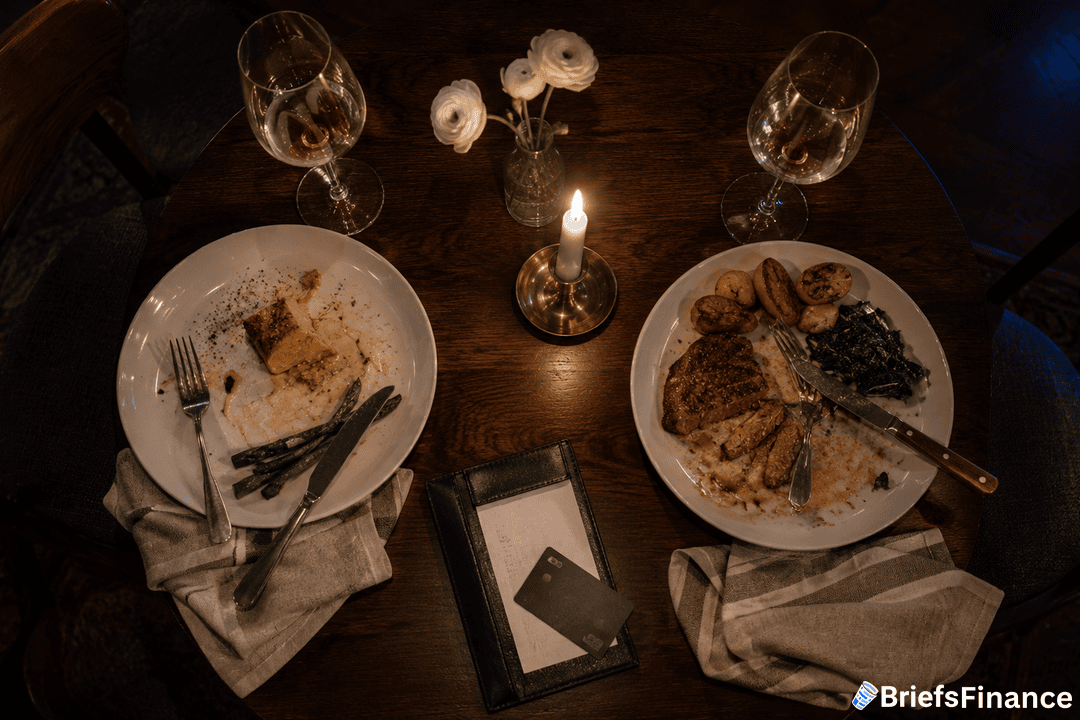
A couple splits a dinner bill for the tenth time before either one says the word boyfriend or girlfriend out loud.
No one at the table is thinking about a spreadsheet.
But a bank just built one anyway, tracking grooming, gas, drinks and dinner across months of courtship.
The total lands on a number most daters have never once added up, and it answers a question nearly everyone has quietly wondered.
Why ten dates became the number used to price out love
The math starts with a simple pattern: couples tend to agree they are officially together only after a string of outings, not one dramatic dinner. That accumulation, rather than any single night, is what the figure is actually pricing out, and it treats courtship as a running tab rather than a one time splurge.
Each date adds its own layer of cost, from the meal itself to the ride there and the grooming beforehand. Multiply that per date spend across a typical courtship and the total stops looking like pocket change and starts looking like a real household expense, one most couples never consciously total up.
That is the gap the number was built to close.
It lands at an estimated $1,678 before finding the one, a figure based on Americans who have found love saying it took ten dates, on a median basis, before they committed, and the typical cost of a date at the time, not one blowout bill but the accumulated weight of a dozen small decisions about where to eat and how to get there.
What a single date actually buys once every cost is counted
Picture the receipts that would pile up behind that number. A typical night covers a restaurant tab, maybe two rounds of drinks, a rideshare there and back, and often a haircut or a new shirt bought specifically for the occasion.
Those pre-date costs matter more than people assume. The bank’s figures fold in pre-date grooming and gas money alongside the meal itself, which is part of why the per date average sits so much higher than a single dinner check would suggest. The most recent measure puts that all-in cost at $189 a date, up from the $168 figure behind the original $1,678 courtship estimate.
Even so, spending is not flat across every outing. Fourteen percent of Americans say the average date costs them nothing, up from 12% a year ago, while another 14% say a typical date costs $300 or more, up from 11% in 2025, a split BMO calls a K-shaped dating economy. That divide echoes a pattern already visible in how Americans are reshaping dining habits, where spending less on one outing does not mean spending less time on relationships overall.
The survey behind the figure and how it was built
The courtship total traces back to a nationally run poll rather than a single anecdote. Americans who have found love say it took ten dates, median, before they committed to their special someone, the baseline the bank used to price out the whole courtship. The research was conducted by Ipsos among thousands of U.S. adults on behalf of BMO, which has published a version of this index for several years running.
Because the sample size was substantial, the bank also broke the most recent figures down by age group. Date spending climbed to $252 for millennials, up from $191 a year earlier, while Gen Z came in at $205, up from $194, with Gen X at $173 and Baby Boomers at $126.
Annually, the gap widens further. Americans spent an average of more than $2,300 on dates in the past year, the latest survey found, even as the actual number of dates people reported slipped year over year.
Americans who dated went out about 12 times in the past year, down from around 14 in 2025, meaning people are not spending less per outing so much as going out less often to manage the total.
Where the ten date average breaks down in practice
None of this means every relationship follows the same tidy script. A median is just a midpoint, and the bank’s own reporting shows the figure moving from one year to the next as prices and habits shift.
Geography bends the number too, with daters in expensive metro areas routinely reporting bills higher than daters in smaller towns and cities, according to reporting on the survey. Even the emotional read on spending varies by person.
Nearly half of singles said dating no longer feels financially worth it, suggesting the $1,678 figure measures what people have actually spent, not what every single still thinks is worth paying today. That tension, between spending and what feels appropriate, mirrors broader shifts already showing up in rethinking worthwhile purchases across everyday life, not just romance.
What the price tag means for singles weighing whether to keep dating
None of the researchers behind the figure are arguing people should stop dating because of the cost. Instead, the number is meant to explain why so many singles describe feeling cautious before a first date.
Nearly half of singles, 47%, said dating is simply not financially worth it, so the $1,678 figure functions less as a warning and more as a benchmark, a way for singles to gauge their own spending against a national average for the first time.
The practical takeaway is pacing, not avoidance. Some Americans are cutting back by choosing low or no cost dates such as a picnic or a hike, while others are accepting that dating is expensive and continuing to spend, and couples who stretch the same ten dates over cheaper outings, coffee instead of dinner, a walk instead of a rideshare, can land at a very different total while still reaching the same relationship milestone.
What the figure ultimately confirms is that courtship has a real, measurable price in America today, even if no single receipt ever shows the full number.
