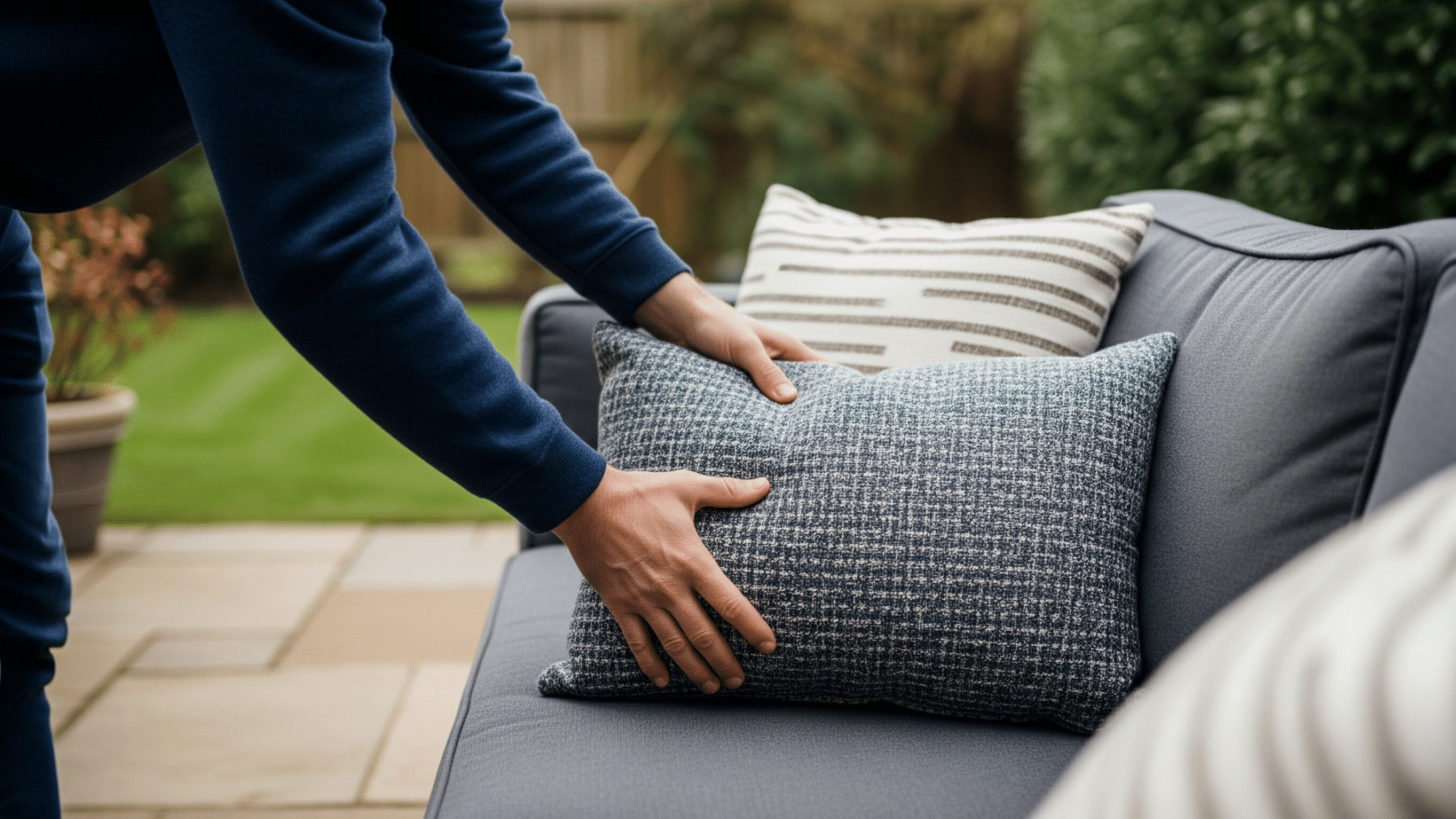
American homeowners are treating their backyards, patios, and decks less like a selling point and more like a second living room. The 2026 Houzz Outdoor Trends Study finds that 83% of renovated outdoor spaces now include a lounge or seating area, and 71% have a sofa or lounge chairs , figures that capture a broad cultural shift in how the American household thinks about home.
Comfort overtakes curb appeal
The study draws on findings from an online survey fielded to 1,191 U.S. Houzz users between April 25 and May 6, 2026 , about their recent or planned outdoor and exterior renovation projects.
Homeowners are increasingly transforming their outdoor spaces for everyday living rather than future resale value. The share motivated by making their spaces more accommodating rose to 25%, up 3 percentage points from the 2024 Houzz Outdoor Trends Study, while those renovating to improve resale value fell to 15%, down 3 percentage points.
Marine Sargsyan, head of economic research at Houzz, noted a shift away from resale-driven upgrades toward spaces that support everyday routines and blur the lines between indoors and out. That shift is showing up in specific design choices: 66% of renovated lounge areas include outdoor lighting, extending usability into evening hours.
Other convenience features include coffee tables or side tables (55%), fireplaces or fire pits (48%), and entertainment features such as TVs or sound systems (22%).
Outdoor kitchens become year-round hubs
For many homeowners, outdoor kitchens now serve as year-round hubs for cooking, dining, and entertaining. According to Houzz’s research, 1 in 6 homeowners upgrading an outdoor structure added or renovated an outdoor kitchen (12%), while 8% added or upgraded a built-in bar.
Cooking and entertainment features remain central to these spaces. Most outdoor kitchens include a grill (85%), followed by beverage refrigerators (62%) and sinks (59%). Nearly half include a faucet (49%), while 36% feature a cooktop and 29% include a pizza oven.
Storage has seen the biggest jump in popularity, with 37% of projects now including built-in cabinetry or other storage solutions, up 15 percentage points from 2024.
The trend toward year-round outdoor use is also reshaping how Americans think about their leisure time at home, at a moment when many report that cost and packed schedules are squeezing free time. A well-equipped backyard functions as an accessible daily retreat that requires no travel budget.
Low-maintenance landscaping on the rise
The share of homeowners replacing their original lawn with natural grass has dropped to 63%, down 9 percentage points since 2024. Meanwhile, hardscape, mulch, and synthetic turf are becoming increasingly popular alternatives.
Nearly three-quarters of homeowners (73%) choose low-maintenance plants, while more than half opt for native species (55%). More than half (56%) are seeking pollinator-attracting plants, and slightly less than half (49%) want drought-resistant plants.
Professional involvement in outdoor renovations reached a new high in 2026, with 71% of homeowners hiring a pro, up from 65% in 2024. Landscape contractors remain the most commonly hired, rising 5 percentage points to 26%.
Technology spending stays selective
After lighting fixtures (63%), security cameras (39%) were the top technology investment in outdoor spaces. Security cameras are the only tech product to see growth this year, while purchases of outdoor speakers and televisions declined from 2024 levels, suggesting homeowners are being selective about which technology earns a place outside.
The pattern aligns with a broader consumer tendency observed across household categories: people spending on what they will actually use daily. The same instinct applies to products like secondhand goods, where practical value increasingly outweighs novelty or status signaling.
The findings suggest homeowners are investing in outdoor spaces with long-term lifestyle goals in mind. Whether creating a lounge area, outdoor kitchen, or low-maintenance landscape, the focus in 2026 is making the outdoors feel like home. For millions of American households, the boundary between inside and outside is becoming less a wall and more a sliding door left permanently open.
