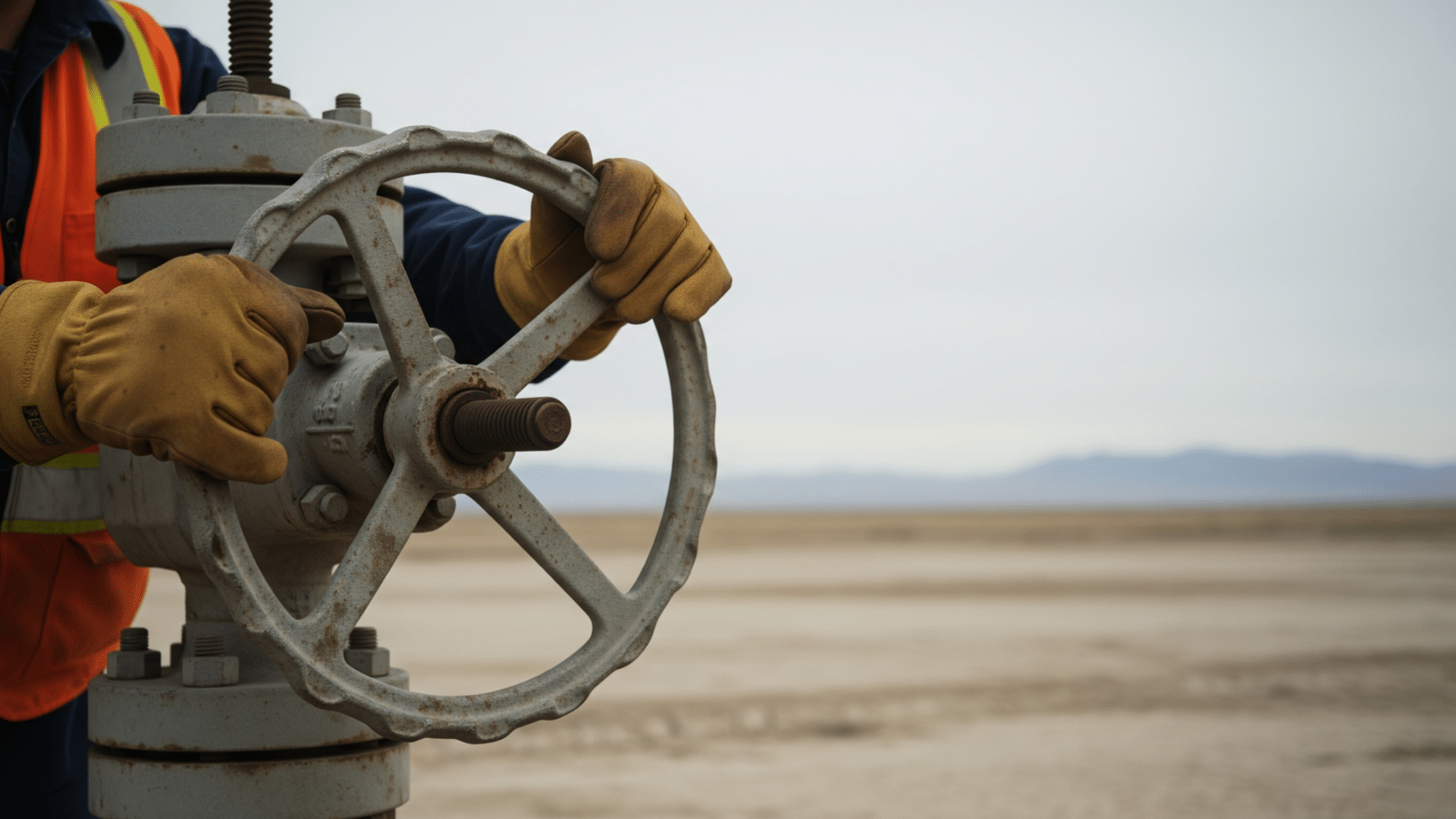
Every hardware store stocks the dream: a whole-home standby generator that clicks on within seconds of a blackout, runs on natural gas already piped to your house, and needs almost nothing from you.
The pitch is clean. Power fails, generator starts, life continues.
The reality arrives later, in the form of an annual service bill, a permit your municipality required all along, and a fuel cost that tracks the gas market every month.
Something structurally identical is playing out inside the deals that America’s largest power buyers are signing for what the energy industry calls firm, always-on power, and the numbers behind those contracts are worth understanding before the bill comes due.
The rush to sign “always-on” power deals is real and accelerating fast
Since the 2021 report, 26 new geothermal power purchase agreements have been signed, representing more than 1,000 megawatts of capacity commitments, compared with just nine PPAs signed between 2015 and 2019.
That is not a slow trend. That is a market turning a corner in roughly three years.
Several of these PPAs are for power supply to artificial-intelligence-driven data centers, buyers who have made clear they will pay a premium for electricity that never wavers.
The appeal is obvious. Geothermal plants can operate at maximum capacity nearly all of the time, balancing intermittent wind and solar.
That reliability pitch is completely accurate. The cost side of the story is where the generator analogy kicks in.
The installed capacity numbers look strong until you check the growth rate
As of 2024, U.S. geothermal installed nameplate capacity reached 3,969 megawatts, an 8% increase from 3,673 megawatts in 2020.
Growth is real and faster than the prior half-decade.
The question is whether it is fast enough to meet the load surge already bearing down on the grid.
The DOE’s transmission study has flagged surging load growth as the grid faces its largest-ever expansion push, and geothermal’s 3,969 megawatts is a thin slice of what that expansion will demand.
Since 2021, more than $1.5 billion in private capital has been invested in next-generation geothermal companies, which account for 53% of the new geothermal PPAs.
Capital is moving. But capital moving into a technology and power flowing reliably onto a stressed grid are two different timelines.
Drilling is the engine of every geothermal project, and it is where most of the money goes
Enhanced geothermal systems work by drilling deep into hot rock, fracturing it, circulating water, and generating steam to spin a turbine. The drilling step sounds routine. It is not.
Drilling and well completion costs account for a substantial share of total capital costs for a geothermal power project, a burden that sets the technology apart from wind or solar, where hardware sits above ground.
Progress is real. Drilling time at DOE’s Utah FORGE demonstration site fell from 310 hours in 2020 to 110 hours in 2023, substantially lowering costs.
But the gap that remains is the part that lands like an unexpected line item, the way a generator owner opens their first gas statement and does the math for the year.
The 40% climb in residential electricity costs since 2021 means buyers at every level of the grid are already watching the price column closely, making the cost gap harder to absorb quietly.
The 2025 Geothermal Market Report and the Enhanced Geothermal Shot put real numbers on the gap, and they are worth reading slowly
The levelized cost of energy for conventional hydrothermal systems runs at $63 to $74 per megawatt-hour for flash-based plants and $90 to $110 per megawatt-hour for binary plants, according to the 2025 U.S. Geothermal Market Report published by the National Laboratory of the Rockies and the U.S. Department of Energy’s Office of Geothermal.
For next-generation enhanced systems, the DOE’s Enhanced Geothermal Shot, a separate initiative announced in September 2022, set a target of $45 per megawatt-hour by 2035, a 90% cost reduction from where EGS costs stand today.
Ninety percent. In roughly a decade. That is the size of the engineering gap sitting behind every always-on contract being signed right now.
Buyers signing deals at current rates are paying for real, genuine, 24/7 reliability, and a significant premium above where the industry needs to land to compete at scale.
The cost gap is a known engineering problem, not a reason to walk away from the technology
The generator analogy only goes so far. A home generator is a consumer product; geothermal EGS is an industrial technology at the steep part of its learning curve, with a track record of compressing that curve faster than analysts expected.
Companies developing next-generation geothermal have raised more than $1.5 billion in private capital since 2021.
The Enhanced Geothermal Shot Analysis points to at least 90 gigawatts of potential capacity by 2050, including states east of the Mississippi where no geothermal generation currently exists.
That ceiling is what keeps the capital flowing, the wells being drilled, and the PPAs being signed even at today’s prices.
The honest framing is not that buyers are being misled. It is that the always-on promise is real, the cost of delivering it is still high, and the contracts being signed today are priced accordingly, the same way a homeowner who truly needs backup power buys the generator anyway, reads the first service bill, and decides it was still worth it.
The grid load surge is not waiting for costs to fall. U.S. energy demand is expected to climb in the next decade, driven in part by data center load growth and electrification. The Department of Energy highlights next-generation geothermal as one solution for that surging demand. The industry is building as fast as the drill bits allow.
