Millions of Americans see them every day without a second thought: white cargo vans rolling through neighborhoods, delivering packages, hauling tools, making every kind of service call imaginable.
Over the past few years, fleets across the country have been swapping those gas vans for an electric version sold as a cleaner, cheaper way to run a business.
The pitch is compelling. Charge overnight, skip the gas station, cut fuel costs, and get a modern connected platform that manages the whole fleet from a phone. More than 5,500 companies and customers across 65 industries have bought into it.
But something quietly turned up inside a batch of brand-new ones. And it starts with a component so small, most people have never thought about it in their lives.
Why the electric delivery van became the default choice for American fleets
The Ford Transit is America’s best-selling van, with record 2025 sales of 161,797 vans, up 5.9 percent over 2024.
The electric version, the E-Transit, built on that dominance with a direct appeal to fleet operators watching fuel and maintenance budgets.
More than 5,500 companies and customers across 65 different industries have chosen the E-Transit since sales year 2022.
With three roof heights, two body lengths, and three body styles, it fits an enormous range of trades and delivery operations. The van that shows up to fix your HVAC or drop off your online order may very well be one of them.
The extra layer of value that sealed so many fleet deals
The hardware was only part of the story. Ford built an entire software ecosystem around the van to make the case even stronger.
Ford Pro sweetens the deal with fleet management software, telematics, and charging solutions for the E-Transit. That means a fleet manager can track every vehicle, monitor driver behavior, and manage charging schedules from a single dashboard.
It comes bundled in. Sort of. Eligible 2024, 2025, and 2026 model year Ford vehicles receive a complimentary one-year trial of Ford Pro E-Telematics services that begins on the new vehicle warranty start date.
After that year, an annual service contract is required to keep the system running. A detail that does not always land at the top of a sales conversation.
Still, the van itself was the bigger draw. And for fleets weighing a switch, the reliability question was the one that mattered most.
What a fleet manager expects when a new van rolls off the lot
Buying a brand-new commercial vehicle, especially an electric one at a sticker price starting around $48,150, comes with an expectation: that every component was assembled correctly before it left the factory.
For most operators, the high-voltage battery is the heart of the whole machine. Route planning, delivery windows, and driver schedules all depend on it working without interruption.
Fleet buyers are also absorbing a broader set of financial pressures right now. As our colleagues have reported, new-vehicle prices hit a 2026 high of $49,855, making every dollar of unexpected cost hurt more.
That makes what turned up inside a specific batch of 2026 E-Transit vans all the more jarring for the operators who received owner notification letters mailed on February 13, 2026.
The missing washer that federal safety regulators flagged inside the battery pack
The catch was not a software bug or a screen glitch. It was physical. And it was tiny.
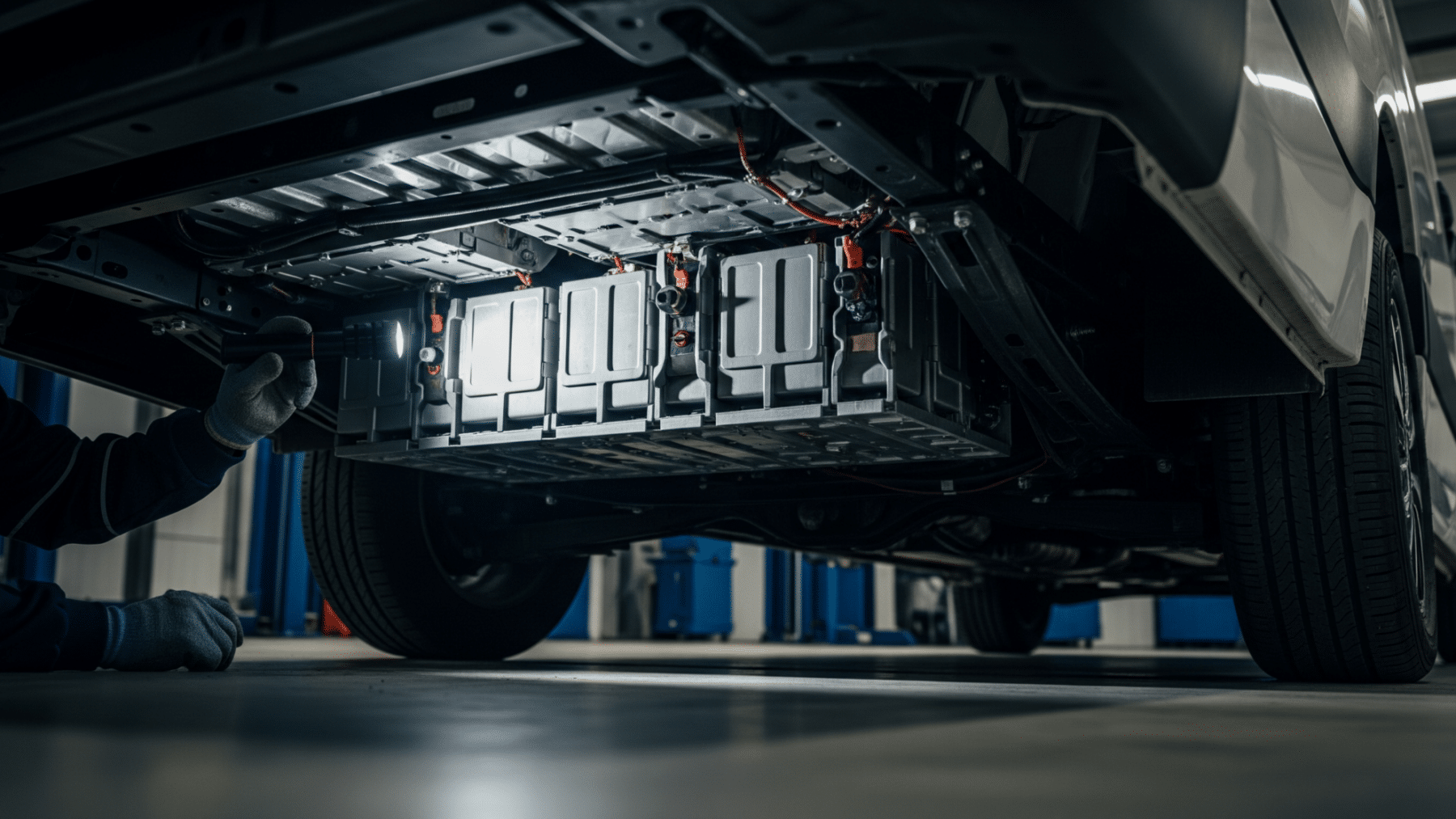
In affected vehicles, bolts inside the high-voltage battery pack may be missing washers, which can cause high electrical resistance or electrical arcing. Electrical arcing increases the risk of a fire.
In addition, a loss of drive power may occur, which can increase the risk of a crash.
This recall potentially affects 98 vehicles. The affected models were produced between October 14th, 2025, and November 13th, 2025.
Ford filed the recall, reference number 26S05 with NHTSA, on February 3, 2026.
If electrical resistance or arcing occurs, affected vehicles may experience a sudden loss of motive power, a warning message will be displayed in the instrument cluster, and vehicles may coast to a stop, with the 12-volt battery sustaining assisted braking and steering.
A van that coasts to a stop in the middle of a delivery route, or worse, sparks a fire, is not the cost-cutting workhorse the brochure promised. Ford is not aware of any reports of accident or injury related to this condition.
Ford traced the problem to a supplier sorting error that failed to detect the absence of washers during production, and believes just 1 percent of the recall population is impacted, which equates to approximately one van.
What happens next, and what fleet buyers should actually verify before signing
Dealers will inspect and repair the busbar fasteners and replace the busbar if necessary, free of charge.
Affected owners can verify their VIN at NHTSA.gov or contact Ford customer service directly. The repair costs fleet operators nothing out of pocket.
The broader lesson for any business evaluating a fleet EV purchase is worth carrying past this specific recall. Real-world range under load, the post-trial telematics cost, and the quality-control record of a model’s earliest production window are all details worth asking about before the ink dries.
The commercial EV segment is moving fast. As our team has noted, Daimler Truck North America is breaking ground on a new US commercial vehicle plant by end of 2026, a sign of how seriously the industry is betting on this category’s long-term growth.
That growth depends on operators trusting the machines. If you are building your business model around a specific route or number of stops, treat the EPA estimate as an optimistic starting point. Treat the assembly record the same way.
The right questions, asked before delivery, are the ones that keep a fleet running on schedule.
