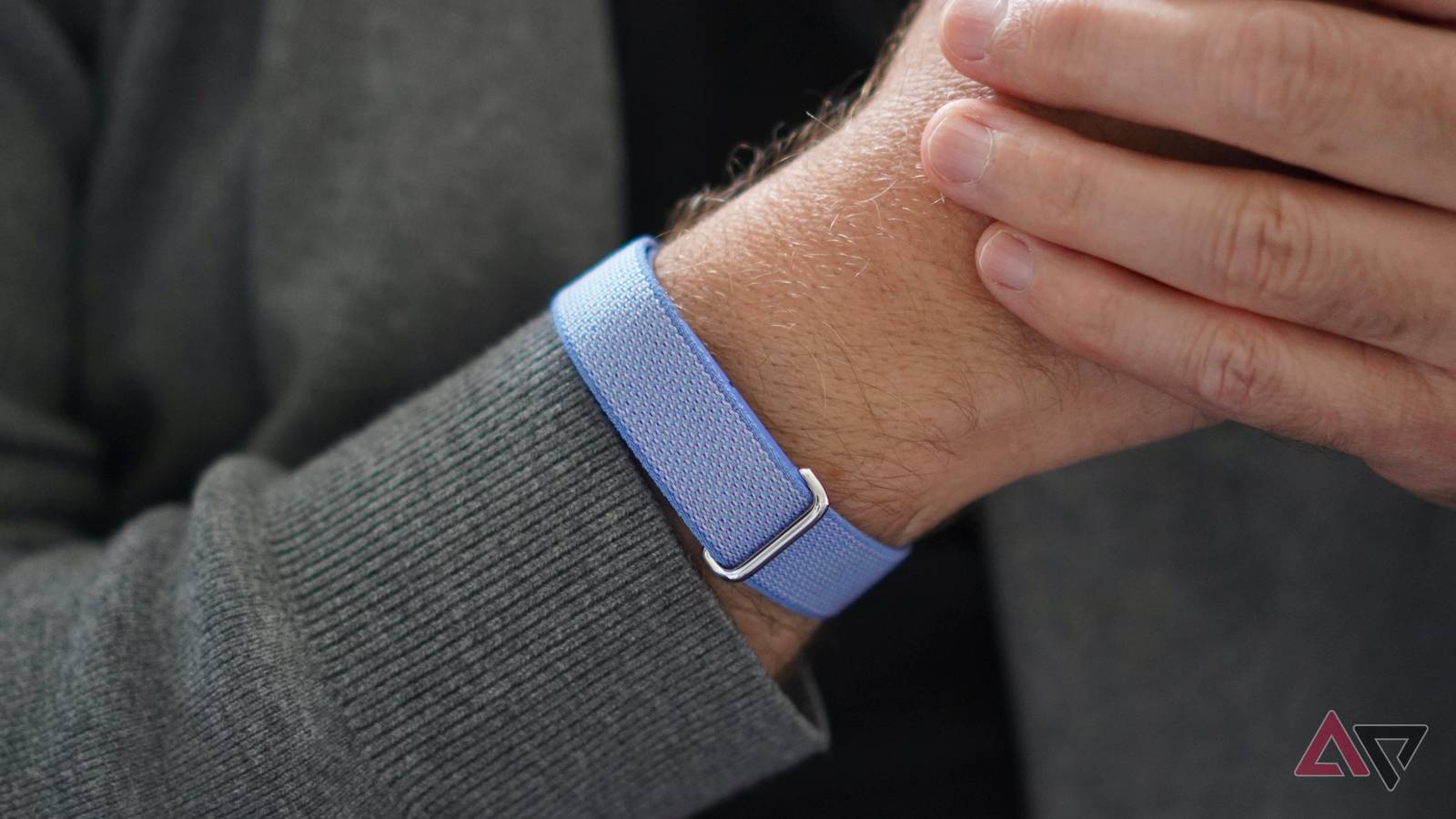
Google has begun rolling out blood pressure and insulin resistance tracking to the screenless Fitbit Air, extending its Health Guardian feature suite beyond the Pixel Watch for the first time.
The update arrived this week through version 5.11 of the Google Health app for Android and iOS, according to Google’s official product blog.
What is rolling out
The two features, blood pressure trends and insulin resistance trends, will be available in the Health Guardian section of the Health tab for users who meet minimum wear requirements during October.
Blood pressure trends will be available in the Health Guardian section of the Health tab if users have worn their Fitbit Air for 5 or more consecutive days in October, while insulin resistance trends will be available if users have worn their watch for 7 or more days and nights in October.
Health Guardian features are rolling out to Fitbit Air and Fitbit Edge for users with a Google Health Premium subscription, and if users meet the monthly wear requirements, they’ll get a report at the beginning of each month.
The features reach Fitbit Air about a month after they first launched on Pixel Watch. Health Guardian features began rolling out in the Google Health app, giving Pixel Watch users more ways to prioritize their well-being, with users able to set up blood pressure trends, insulin resistance trends, and sleep breathing quality metrics beginning that week. The tools were included free with Pixel Watch 3, 4, and 5 devices, with the first trend reports arriving in early October.
How the tracking works
Health Guardian is designed to work passively rather than through on-demand readings.
Health Guardian is a new set of health and safety features that use AI to track subtle bodily changes in the background, such as blood pressure, insulin resistance, and breathing quality during sleep.
For insulin resistance specifically, Insulin Resistance Trends takes a long-term approach, analyzing several weeks of physiological data to look for changes linked to metabolic health without requiring a blood test.
Access requires a paid tier for Fitbit Air owners. Fitbit Air subscribers with a Google Health Premium plan will receive access to the blood pressure and insulin resistance trends , which Google Health Premium will cost $9.99 per month and $99.99 per year. Google Health Premium is also included for three months with the purchase of Fitbit Air and Fitbit Edge, and is included in the Google AI Pro plan.
A later, narrower rollout for a cheaper device
The gap between the Pixel Watch and Fitbit Air launches reflects how Google has staggered its newest hardware tiers.
Fitbit Air is a screenless band rather than a full smartwatch, positioned as a lower-cost alternative to devices like Whoop.
Unlike Pixel Watch owners, who get the features bundled in for free, Fitbit Air and the newer Fitbit Edge tracker require the ongoing premium subscription, albeit with an initial free trial period, to unlock the same trend reports.
Google has also used the rollout to clean up terminology elsewhere in its health app. The app updates blood glucose terminology to simply “Glucose” across all charts and graphs, and users can also configure custom time-in-range goals within the Metabolic section under the Health tab , a change separate from the Health Guardian push but shipped in the same app update.
Google is explicit that none of the new trend tools are meant to replace clinical screening. None of this is meant to replace proper medical testing, and Google itself says the blood pressure, insulin resistance, and breathing-quality features are for general wellness and should not be used to diagnose hypertension, diabetes, or sleep apnea, or to change medication or treatment plans.
Why it matters for wearables
The move signals Google’s effort to differentiate its wearable lineup on software rather than hardware alone, layering subscription-gated health analytics across both its premium Pixel Watch and its budget screenless trackers.
It mirrors a broader industry shift already visible in how Google has expanded AI features across its device ecosystem, and comes as hardware makers increasingly compete on recurring software revenue the way Microsoft has bundled apps together.
For Fitbit Air owners, the practical effect is a wait: anyone who wore the band enough days this month will see their first blood pressure and insulin resistance report when November begins.
