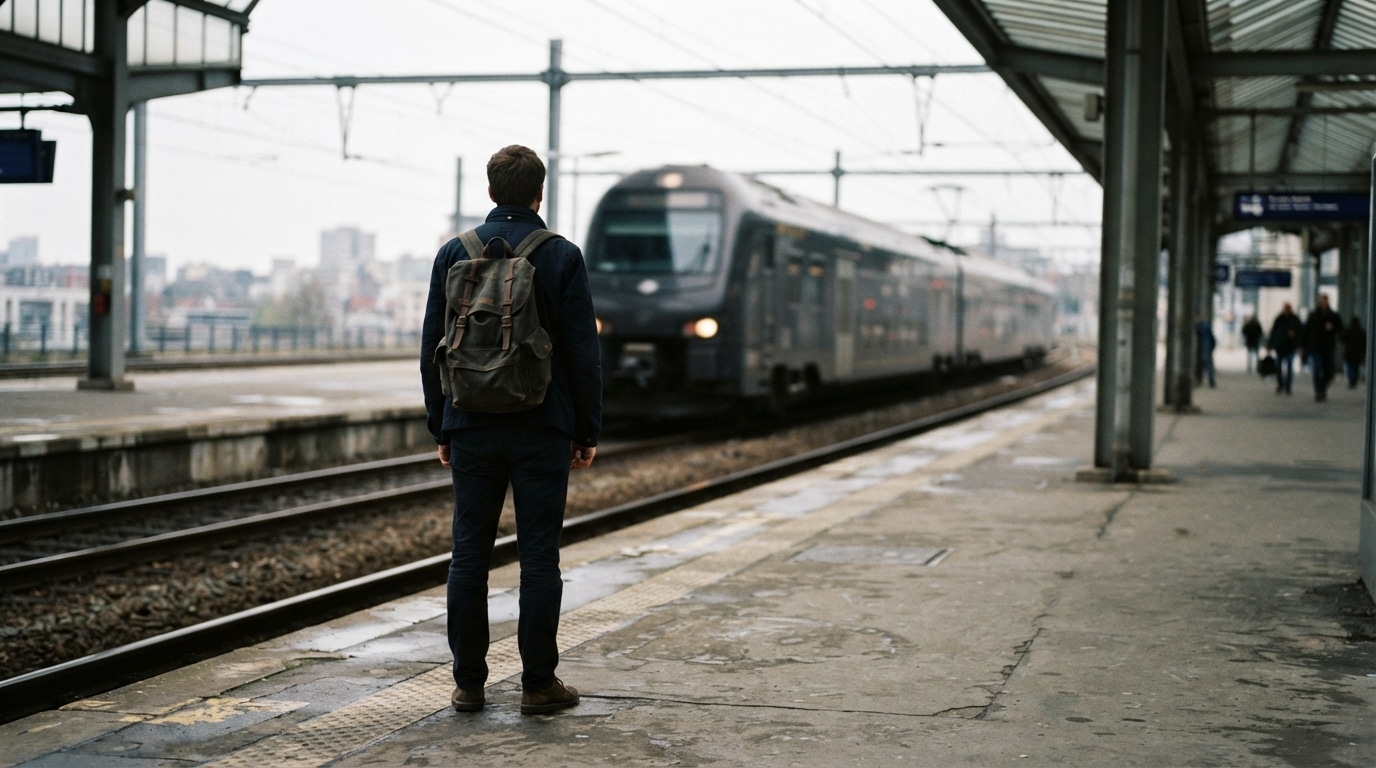
More than half of American leisure travelers have now taken a trip alone in the past five years, according to fresh survey data that marks the sharpest single-year jump researchers have recorded for the behavior.
The 2026 TravelBoom Leisure Travel Study found that 59% of travelers have taken a solo trip in the past five years, up from 46% in 2025, a 13-point rise. Researchers describe solo travel as no longer a fringe trend but a mainstream behavior, driven by freedom, flexibility, and self-exploration.
A mainstream behavior, not a fringe hobby
The findings are based on individual responses from 500 active leisure travelers surveyed nationally by TravelBoom Hotel Marketing.
The year-over-year comparison gives the number unusual weight: the same methodology was applied in 2025, making the 13-point gap a direct apples-to-apples measure of behavioral change.
Millennials led the way, accounting for 52% of those solo trips.
The shift runs alongside a separate surge in search interest that Google’s own data captures. Google’s spring 2026 travel trends analysis confirmed that search interest in “solo travel” hit an all-time high and “women solo travel” reached a 15-year high. Searches for “travel groups” and “tour groups” also hit record highs in 2026, according to a post published by Google in April 2026.
Go2Africa’s Luxury Solo Travel Report tracked a 230% rise in solo travel search interest over the past decade and recorded 1.6 million global searches for “solo travel” between January 18 and February 14, 2026.
Who is traveling alone and why
The profile of the solo traveler has broadened well beyond the young backpacker archetype. The trend spans working professionals taking wellness breaks, empty nesters looking to reconnect with themselves, and culinary explorers planning hyper-local, experience-rich escapes.
Tour operators have reported that women aged 50 and over represent one of the fastest-growing solo travel segments, drawn to solo adventure but preferring the structure and community of guided small-group travel over fully independent itineraries.
On a per-person basis, solo travelers outspend couples, spending 42.8% more on average, according to Go2Africa’s Luxury Solo Travel Report.
That premium spending pattern has pushed hotels, tour operators, and booking platforms to redesign products around single-occupancy guests. Searches for single-occupancy hotel rooms have surged by 170% on major booking platforms.
The single supplement and the safety gap
Despite the momentum, the cost structure of the travel industry has not fully caught up. Solo travelers frequently pay a “single supplement,” a surcharge that can add 50% to 100% to a room or tour package priced for two.
That pricing friction remains one of the most-cited frustrations among solo bookers, according to industry analysts covering travel pricing mechanics.
Safety concerns also remain a significant factor shaping where and how people travel alone, particularly for women, according to multiple industry surveys.
Hostelworld’s 2025 State of Solo Travel survey, which covered more than 3,300 solo travelers, found that 58% of respondents specifically wanted to meet new people while traveling, a sharp increase from 43% in 2024.
That tension, wanting independence without isolation, mirrors broader social currents. Research published earlier this year found that the average person shares a live location with nearly four people as a form of everyday relationship-keeping, a habit that has grown especially common among travelers wanting to maintain connection while away.
What the numbers signal for travel behavior
The TravelBoom data show a significant change in the decision-making strategies that drive US consumer behavior in the travel space, with flexibility, personalization, and trust now representing the most urgent considerations in booking decisions.
The global solo travel market is estimated at approximately $549 billion and is projected to reach $1.5 trillion to $2.1 trillion by 2033, 2035, depending on the source, growing at a compound annual rate of 13, 15%.
Whether or not those projections hold, the 13-point year-over-year jump in the TravelBoom survey suggests that going it alone has already crossed from lifestyle experiment to established American travel habit.
