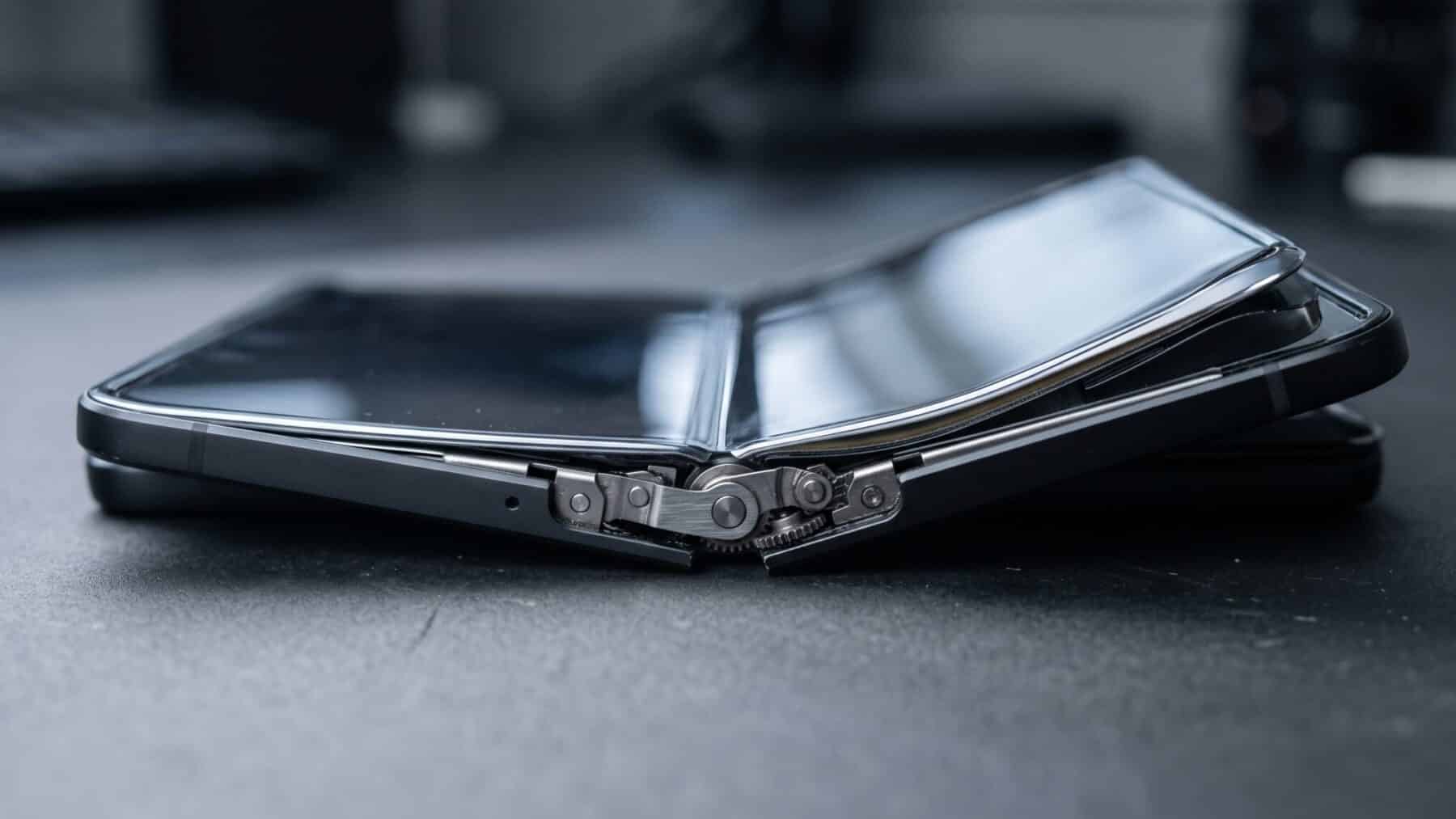
Apple is preparing to unveil three new iPhones at its September 9 event, but the lineup arriving this fall will look unlike any the company has held before: the standard iPhone 18 model will not be among them.
Apple confirmed the September 2026 iPhone event will see it announce the iPhone 18 Pro, the iPhone 18 Pro Max, and the foldable iPhone, which could be called the iPhone Ultra. There will be no iPhone 18 this year because Apple is waiting until spring 2027 to launch the more affordable models. The debut would mark a structural break in the annual iPhone release cycle that the company has maintained for more than a decade.
A split launch cycle unlike any before
A standard iPhone model is not expected to be part of Apple’s fall lineup this year. Apple is reportedly splitting its big September reveal into two product drops: iPhone 18 Pro and the foldable this fall, and the regular iPhone 18, iPhone Air 2, and the iPhone 18e in spring 2027.
The iPhone 18 Pro and iPhone 18 Pro Max will launch in September as usual, and Apple is also planning to introduce its first foldable iPhone at that same event.
Apple plans to hold its annual iPhone-centric event on Wednesday, September 9 at the Apple Park campus in Cupertino, California. The event will begin at 10:00 a.m. Pacific Time, with select members of the media invited to attend.
Pre-orders for the announced iPhones are expected to open on Friday, September 11, with the iPhone 18 Pro models slated for an on-sale date of September 18.
The foldable iPhone and what to expect from Pro models
Apple skips the base iPhone 18 this year in favor of three premium devices: the iPhone 18 Pro, Pro Max, and a first-ever foldable that could start near $2,000. Rumors suggest the foldable could be named the iPhone Ultra, though Apple has not confirmed a name.
That would make it the highest-priced iPhone Apple has ever sold at launch, putting it squarely in competition with Samsung’s Galaxy Z Fold lineup on price as well as form factor.
The iPhone 18 Pro models could feature under-display Face ID, with only a small hole in the top-left corner of the screen to accommodate the front-facing camera, which would mean the devices no longer have a pill-shaped cutout at the top of the screen. However, reports on the front-panel design have been conflicted: a later leak pushed back on the top-left camera interpretation, suggesting the more likely outcome is a smaller, centered Dynamic Island rather than a relocated camera hole. The iPhone 18 Pro models could also get an upgraded variable aperture rear camera. Neither feature has appeared on an iPhone before.
Most current reports about the iPhone 18 lineup are focused on the foldable iPhone and the iPhone 18 Pro models, because they are arriving first and carry more new features than the iPhone 18 models being held until 2027.
iPhone Air’s rocky start reshapes the lineup
The split launch cycle is, in part, a consequence of mixed results from Apple’s previous experiment with a new form factor. Apple bet big on a dramatic redesign of its iPhone, but the slimmer iPhone Air has not resonated with buyers. New market research data indicates iPhone Air adoption lags far behind the iPhone 17, 17 Pro and 17 Pro Max: just 6% of US iPhone shoppers surveyed by Consumer Intelligence Research Partners purchased the iPhone Air in the quarter ending in December, the phone’s first full quarter of availability.
Apple initially planned to release a new iPhone Air in fall 2026, but now that is not going to happen. Apple plans to release a second-generation iPhone Air in the first quarter of 2027, according to Jeff Pu, an investment analyst who covers Apple.
Apple officially unveiled its new iPhone 17 lineup on September 9, 2025. Apple began selling the new models on September 19, 2025. The lineup comprised the iPhone 17, iPhone Air, iPhone 17 Pro, and iPhone 17 Pro Max.
That four-model fall lineup now becomes a three-model fall launch for 2026, with the volume driver, the standard iPhone 18, withheld until the following spring.
For context on how the smartphone segment has been evolving, iOS 26 earlier this year brought a sweeping redesign to more than a billion existing iPhones, raising the software bar that new hardware will now need to clear.
Pricing and market implications
Price increases are expected, and tariff pressure on imported hardware has been a recurring factor in consumer electronics pricing this year. Apple has not publicly addressed how either dynamic will affect final iPhone pricing at the September launch.
The decision to reserve the standard iPhone 18 for spring 2027 effectively stretches the iPhone 17’s run as the entry-level flagship to well over a year.
The record for longest-running flagship belongs to the iPhone 4, which went on sale in June 2010 and remained Apple’s top iPhone until October 2011, holding its spot for nearly 16 months because Apple shifted its launch cycle from summer to fall that year. The iPhone 17 was released in September 2025, and a new model is not expected until early 2027, because Apple is changing its entry-level iPhone timing, putting it on track to surpass that mark.
The September 9 event will nonetheless be one of the most significant Apple smartphone launches in years, with the foldable iPhone alone representing a category the company has watched rivals occupy for nearly a decade. Investors and developers tracking Apple’s hardware roadmap can also follow rival hardware announcements this month, as Meta is separately expected to reveal its first smartwatch at Connect 2026 on September 23, just days after Apple’s launch.
