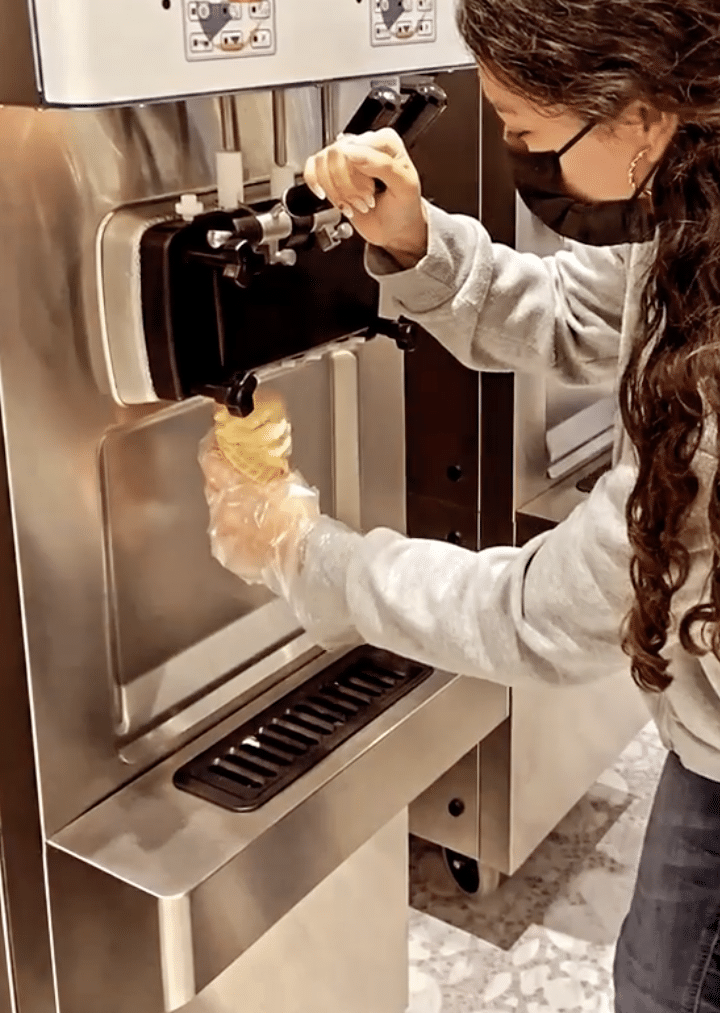
Google Maps has released its first-ever Fan-Favorite Dining List, using billions of reviews, ratings and direction searches to identify the food trends reshaping menus in 10 cities worldwide.
The data, published Thursday in a Google blog post, found frozen yogurt mentions in New York restaurant reviews jumped 320 percent over the past year, while matcha surged across nearly every city tracked.
What the review data shows
The list draws on a full year of Google Maps activity across Atlanta, Chicago, London, Melbourne, Montreal, New York, San Francisco, Santiago, Seattle and Tokyo.
Google analyzed a year of Google Maps data to uncover the top food trends and popular restaurants across 10 culinary hot spots. The company says the rankings reflect what people are actually visiting and writing about, not paid placements or editorial picks.
Froyo rules in New York, increasing 320 percent year over year, while Montreal craves cinnamon buns, and Tokyo, mochi.
Cheeseburger mentions in Tokyo rose 216 percent, and mochi mentions there increased 168 percent. Seattle saw dosa mentions climb 136 percent, London’s hojicha mentions grew 114 percent, and Montreal’s cinnamon mentions were up 84 percent.
Other standouts include tallow in Chicago, beignets in Atlanta, ube in Melbourne, micheladas in Santiago, and katsu in San Francisco.
Matcha’s near-universal climb
While each city produced its own quirky breakout dish, one ingredient showed up almost everywhere. From the resurgence of frozen yogurt in New York to the global rise of matcha, the data highlights specific local cravings and budget-friendly favorites.
Mentions of matcha in reviews on Google Maps saw double-digit growth in the last year across several cities including Chicago (+82%) where Local Guide shared that Gathers Tea Bar “is the place that made me fall in love with matcha!”, and Sakumi in Santiago (+84%) , according to Google’s breakdown shared with Local Guides contributors.
Seattle offered a smaller but notable version of the same shift. Mentions of the thin South Indian pancake in Google Maps reviews of Seattle restaurants jumped 136 percent over the past year. Matcha mentions rose 66%, while mentions of banana climbed 43%.
Dosa’s rise in a city not traditionally associated with South Indian cuisine suggests diners are increasingly searching out dishes well outside their regional food culture, a pattern that echoes the broader shift in dining habits even as they tighten overall restaurant spending.
How Google built the list
The company organized its findings into an interactive hub rather than a single ranked article.
Through the live interactive hub at mapsfanfavorites.withgoogle.com, users can choose a city and target different categories, including Essential Stops for a meal, beverage, or treat; Top Picks for Occasion, such as celebrations, good vibes, or cheap eats; and specific items Trending in Reviews, like matcha, beignets, or ube.
The tool lets users filter by what they are hungry for rather than simply by star rating, a departure from how Maps has historically surfaced restaurant recommendations.
Google already tackles the question of what to try through weekly dining lists in Maps’ Explore tab, sorting restaurants into Trending, Gems, and Top collections.
The new annual list builds on that infrastructure but compresses a full year of activity into a single snapshot, timed to publish as the fall dining season begins.
Why the trends matter
The data offers a rare, platform-scale look at how dining habits shift city by city, independent of the restaurant industry’s own marketing surveys.
Diners increasingly treat eating out as a form of exploration or social ritual rather than routine, a trend that intersects with other shifts in how Americans structure their time and money, including how they split costs when checkout tools spread bigger purchases rather than pay in full upfront.
For restaurant operators, the findings point to simple menu signals worth watching: a frozen treat revival in one city, a tea ritual spreading nationally, and regional specialties crossing into cities where they were once rare.
Google plans to update the list annually, giving future snapshots a built-in point of comparison as tastes continue to shift.
