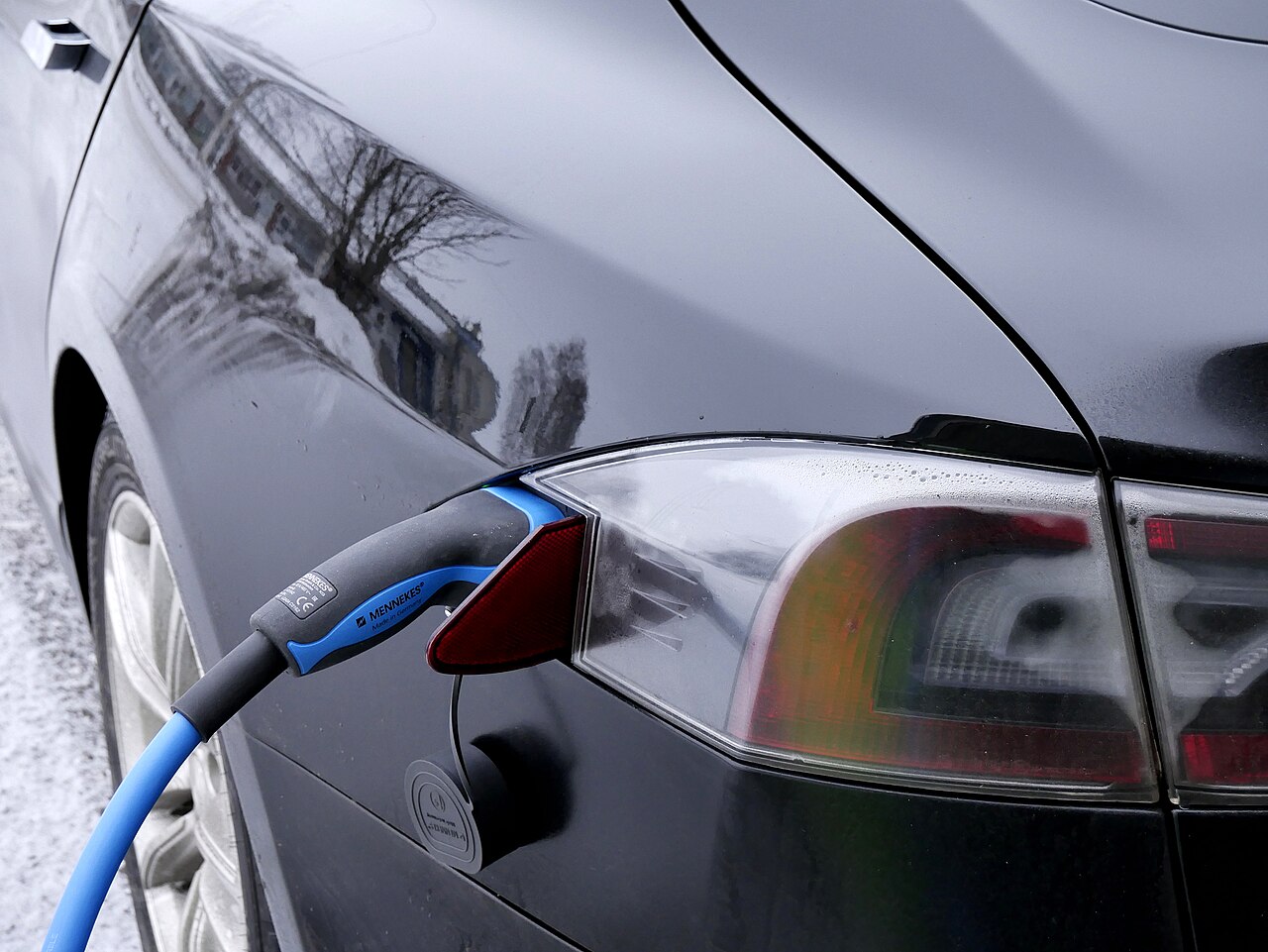
A porch light clicks off, a garage door hums shut, and somewhere behind the wall a meter starts spinning faster than it did an hour earlier.
Multiply that single driveway by thousands across one zip code.
Nobody sent a signal to coordinate it.
A clock did, and a price that drops on the stroke of midnight.
So what exactly happens to the equipment underneath the street when that many cars wake up at once?
Why a discount built to help the grid ended up stressing it
Time of use rates were built around one simple idea: make nighttime power cheap, and drivers will shift their charging away from the early evening hours when the rest of the neighborhood is running air conditioners, ovens and televisions. For years that logic held at the scale of an entire regional grid.
The trouble shows up lower down, on the local distribution equipment that serves one street or one transformer. Charging is too often initiated immediately after the reduced rates begin, causing what many call a secondary, or snapback, peak, the research confirmed.
In California, passive managed charging has led to a secondary peak right after midnight, when the rate drops. A flat rate change behaves less like a dimmer switch and more like a synchronized starting gun.
What the new midnight spike looks like on the wires
Picture a single neighborhood transformer built decades ago to handle a few window units and some kitchen appliances. It was never sized for a dozen vehicles each pulling several kilowatts at once, all inside the same quarter hour.
So when the clock passes midnight and a time of use rate flips to its cheapest tier, that transformer can see a load jump that looks nothing like the smooth curve planners expected. Analysts say it is becoming clear time of use rates are not enough, and are creating secondary peaks that cause distribution system congestion.
Unlike the familiar late afternoon peak grid operators have managed for generations, this spike is hyper local. It can hit one street hard while a street two blocks over barely notices anything.
That unevenness is why utilities once leaning entirely on pricing are now building software layers on top of it, similar to the flexible connection approach some already use to let EV chargers skip grid upgrade queues entirely.
The evidence utilities are now citing to justify the shift
The clearest public case study comes out of Maryland, where Divesh Gupta, director of clean energy solutions for Baltimore Gas and Electric, one of the first investor-owned utilities to offer EV-only time-of-use rates and, later, an active V1G program, has tracked a controlled pilot comparing simple rate discounts against active, software driven scheduling. Active managed charging “significantly changed the load curve created by the EV-only time-of-use rates,” Gupta said.
The results were so compelling that in 2023, regulators approved expanding the program from 6,900 participants to 30,000. A time of use rate only sets a price, while an active managed program can see the whole circuit and stagger individual start times by minutes or hours, even when every driver still gets the same cheap rate.
This method, called V1G for its one way flow from grid to vehicle, is already being used to shift load from peak demand hours, a pattern similar to the California bidirectional charging pilot that grew fast but still trails full enrollment.
Maryland regulators later approved making the Baltimore Gas and Electric program permanent, with the Commission emphasizing that “extending and expanding BGE’s SCM program is in the public interest,” given the urgent need to expand EV charging with minimal impact on the distribution grid. Avoiding a transformer swap, after all, is cheaper than installing one.
Where the shift still runs into real limits
None of this means time of use pricing is being scrapped. Most residential customers nationwide still only have access to a simple rate schedule, and enrollment in anything more advanced remains voluntary and small next to the overall EV fleet on the road.
Getting drivers to sign up for active control, rather than just a cheaper price, has proven to be its own obstacle. Participation climbs only slowly even as incentives increase, because most drivers are drawn by the discount itself rather than the idea of ceding control over exactly when their car charges.
Even enrolled households do not always let the program run.
Evidence from utility pilots shows customers can easily override a scheduled session when they need a full charge in a hurry, which blunts some of the grid benefit the program was built to deliver. So pricing and active control now operate side by side rather than one replacing the other.
What it means for drivers, bills and the grid ahead
For an ordinary EV owner, almost none of this changes the plug-in routine today. The car still charges overnight, the bill still reflects the cheaper rate, and the software doing the staggering mostly runs unnoticed in the background.
What changes is who pays if nothing is done. The California Public Advocates Office reported in a 2025 study that EV charging management had a “significant” impact on costs for all three investor-owned utilities in the state, and “mass shifting of peak EV load away from the peak could save between $5 billion and $18 billion in distribution costs by 2040.”
That is a bill avoided, not one drivers will ever see directly.
As EV ownership keeps climbing, utilities from Maryland to California are treating this midnight snapback less as an edge case and more as the next stage of grid planning, echoing trends in ChargePoint’s utilization data elsewhere in the country. A price alone can move behavior, but moving millions of identical decisions to the identical minute creates its own kind of crowd, and managing that crowd is becoming the real work ahead.
