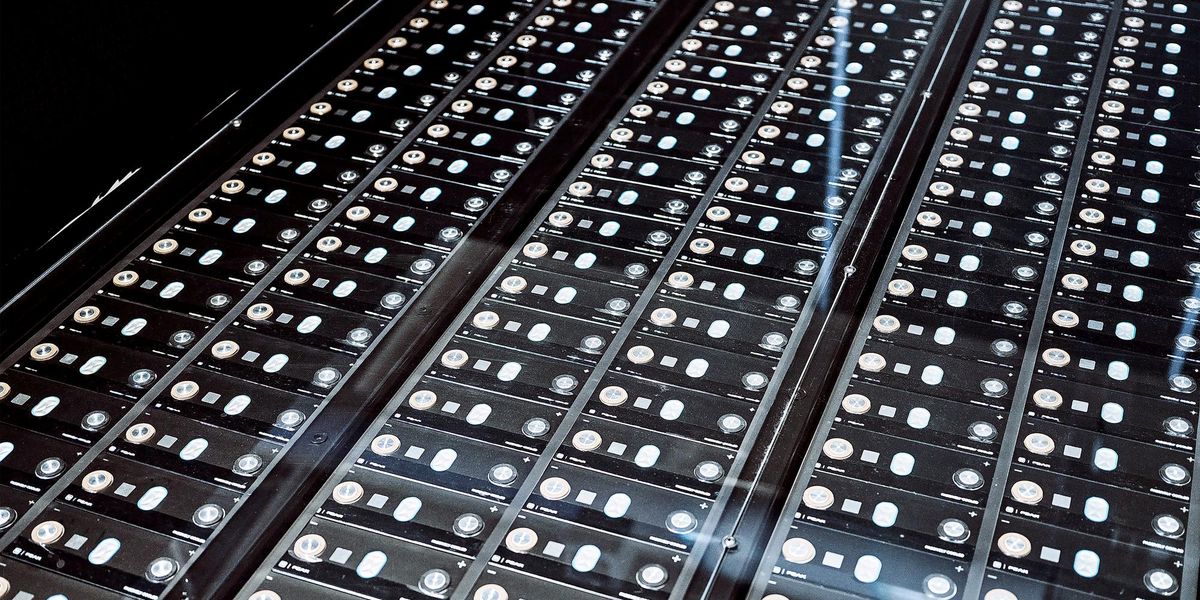
A conveyor belt hums inside a Michigan factory, carrying flat silver cells the size of cutting boards toward a waiting inspection line.
Each one just finished a weeks long bake and cure cycle most drivers never think about.
Workers check thickness, voltage, and seal integrity on cells unlike anything built in America before.
None of the raw material inside is the nickel or cobalt that made electric cars expensive to build.
That swap alone is reshaping who can sell a cheap electric car and who cannot.
What makes this battery chemistry different under the hood
The cells moving through that Michigan line use lithium iron phosphate, a chemistry built from iron and phosphate instead of nickel and cobalt. Those two metals have long driven up the price of a typical battery pack and left automakers exposed to volatile mining markets overseas.
So stripping them out changes the math for an automaker in a direct way. The architecture eliminates the metals that drive both cost and thermal complexity, and that difference shows up in pricing, with LFP batteries accounting for over 55 percent of EV batteries deployed globally in 2025, up from nearly 50 percent in 2024, largely because the chemistry runs cheaper per kilowatt hour.
The chemistry trades some range for a lower bill and tougher cells. It lands first in affordable, shorter range models rather than flagship trucks.
Even so, the United States spent years sitting out that shift, buying cells from factories overseas instead of building its own.
Inside the Michigan plant now running its first cells
That changed this year at a battery plant in Marshall built by a Detroit automaker specifically to make this chemistry on US soil. According to the company’s own update from the plant, workers have now assembled full prismatic cells from slurry and coating through formation, aging, and final inspection.
That milestone matters because it marks the shift from testing small batches to running the actual process a factory floor needs for volume output. Ford has said it now employs more than 500 workers at the plant and expects to reach roughly 800 by year end, building toward a workforce near 1,700.
These first domestic cells are not a lineup wide swap. They are headed for one affordable midsize electric truck.
So the plant is a targeted bet, built around a vehicle meant to sell at a price point the company could not reach with pricier packs.
The numbers behind the shift, and where they came from
The scale here has moved since the project was first announced. Ford originally designed the Marshall facility with roughly 35 gigawatt hours of annual capacity, enough cells to supply around 400,000 vehicles a year, according to the automaker’s own project filings from 2023. Facing a broader slowdown in electric vehicle demand, Ford later scaled that target down to approximately 20 gigawatt hours of planned annual capacity alongside a smaller workforce.
That figure matters next to a wider industry count. Global deployment of this chemistry crossed a major threshold recently, with the International Energy Agency finding it now holds more than 55 percent of the global EV battery market, stripping nickel and cobalt from most new deployments.
Yet almost none of that growth happened on American soil until now. Tariffs on Chinese battery imports kept cheap imported cells largely locked out of US made vehicles.
That gap is exactly what the Marshall plant was built to close, using a licensed technology from CATL but assembling every cell inside Michigan.
Where the shift still runs into limits
None of this means the chemistry is about to replace every battery pack sold in America. It still trails nickel based cells on energy density, meaning a given size and weight of pack holds less usable range.
That tradeoff is why it tends to show up in standard range trims and affordable trucks rather than long range flagships, where every extra mile matters more than sticker price. A fast charging three row SUV chasing maximum range still leans on denser nickel based chemistry instead, the kind of pack behind an independent charging test that beat its own maker’s claimed time.
Even the Marshall plant has not escaped the broader slowdown hitting electric vehicle demand. Ford revised the project’s scope once already, cutting planned capacity and jobs, and the factory’s path to full output has moved slower than first announced.
What it means for buyers and the rest of the industry
For an ordinary shopper, the payoff shows up less as a new feature and more as a lower window sticker on whatever vehicle eventually rides on these cells. Cheaper cells built without imported nickel or cobalt are the clearest path left to an electric truck priced like a gasoline one.
For the rest of the industry, the Marshall plant is also a signal. Rival automakers still buying cells from overseas face the same tariff exposure this plant dodges.
That pressure already shows in how automakers are racing to secure their own supply, from a rival charging network to fast charging benchmarks set by a Lucid SUV pulling 400 kilowatts through its cable.
None of it guarantees cheaper trucks arrive overnight. But a Michigan factory now running full battery cells end to end is the kind of unglamorous milestone that tends to show up later in a sticker price nobody expected to drop.
