A cardboard box sits by the front door, already taped shut again.
Inside is a dress worn exactly once, tags carefully reattached.
The receipt is tucked in the flap, printed the same week it goes back.
Nobody in that house thinks of it as a transaction with a cost.
But somewhere, a retailer is absorbing that cost twice over, and a new industry report has finally put a number on it.
Why a free return is never actually free
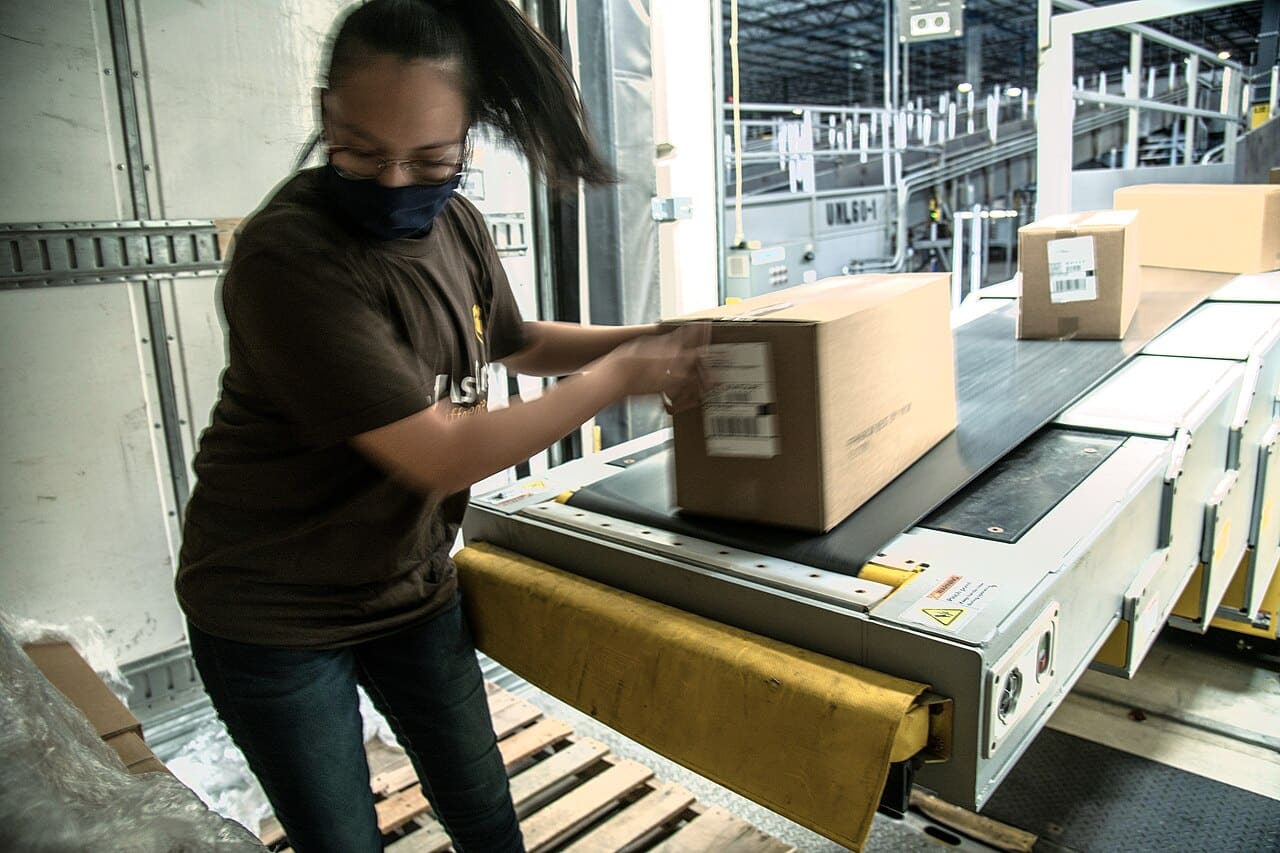
Every return slip looks like a courtesy, a simple undo button for a purchase that did not work out. In reality, it triggers a chain of physical labor: a worker opens the box, inspects the item, decides whether it can be resold as new, repackages it, and routes it back into inventory or off to a liquidator. That chain is where the hidden processing expense actually lives, not in the refund itself.
Returns cost retailers an average of 30% of an item’s value to process, adding up to $211 billion industry-wide , according to Appriss Retail’s newly released 2026 Total Retail Loss Benchmark Report.
That figure covers every return, including the honest ones. The real trouble starts with a narrower slice. U.S. retailers took back $706 billion in merchandise in 2025, and $100 billion of that, 14.2% of all returns, was preventable loss from fraud and abuse combined. Most of it, researchers found, was not criminal at all.
Inside the warehouse where the math gets ugly
Picture a regional distribution center on a Tuesday morning after a holiday weekend. Pallets of returned boxes stack higher than usual, each one requiring a human to physically verify what is inside before a dollar moves back to a customer’s card. Multiply that scene by thousands of warehouses nationwide and the scale starts to make sense, with clothing carrying the heaviest exposure because it is the easiest category to borrow.
A shopper buys an outfit for a wedding, wears it for a few hours, and mails it back the following Monday with the tags reattached, a practice the industry has long called wardrobing, since it works like renting a wardrobe for free.
Bracketing drains the same account differently. A customer orders multiple sizes of one item, keeps the one that fits, and returns the rest, counting on free shipping both ways. Neither habit breaks a written rule, which is exactly why it is hard to stop.
So the two get grouped as abuse rather than theft, and the report’s own breakdown shows why that split matters. 12% of returns-related loss was attributed to returns abuse, while fraud made up only 2% . Abuse means excessive but legitimate returns, worth $86 billion, while fraud means fake receipts, returning stolen merchandise, or other behaviors with malicious intent, made up only 2% , worth $14 billion.
Where the $100 billion figure actually comes from
The number did not come from a guess. Appriss Retail built its estimate on point-of-sale transaction data across 250 million customer identifiers, plus a December 2025 survey of 1,020 US consumers , then checked those answers against real transaction data from retail partners. Actual transactions and internal analytics from 250 million unique customer identifiers across Appriss Retail clients provided real-world validation of customer-reported behaviors.
That cross check matters because shoppers tend to underreport their own return habits. Respondents were balanced across gender, generation, and return frequency, and survey responses were weighted to reflect U.S. population demographics and validated against known industry patterns.
The retail federation’s own figures back up the general shape even without matching Appriss exactly. Separate National Retail Federation data put the total cost at $890 billion in 2024 , a scale that has kept climbing as online shopping’s generous windows become routine. None of this is confined to clothing either; it runs from electronics to furniture, anywhere a buyer can use something briefly and still make it look untouched.
Where the pattern breaks down
Even so, the $100 billion figure is not evenly spread across every shopper or store. Younger buyers drive more of it than anyone else, with NRF’s consumer survey finding people aged 18 to 30 had returned 7.7 online purchases on average over the previous 12 months, more than any other generation, against 4.8 for baby boomers .
Which means a policy built around the average customer punishes plenty of people who return almost nothing. That tension has already pushed many chains to start charging for returns that used to be free, a shift shoppers have noticed and resented in equal measure.
Worse for retailers, the fix carries its own cost. Tightening a policy to catch wardrobing often slows or denies refunds for a shopper with a completely legitimate complaint, and 55% of consumers report that they have decided not to buy from retailers or ecommerce stores due to the restrictions of their return policies .
That is why most of the industry response leans on software rather than blanket bans, flagging suspicious patterns at checkout instead of rejecting every return outright. The report finds that when applied with precision, data analytics and AI can identify and warn customers who show patterns of abuse without losing them entirely, with 90% of consumers willing to purchase again after receiving a warning . It is a narrower tool, but one that does not punish everybody for what a smaller group is doing.
What it means for the next box at your door
None of this means returns are about to disappear, and nobody in the industry is proposing that shoppers lose the right to send something back. The return slip remains one of the most consumer friendly habits American retail has built, which is precisely why it is so easy to stretch.
What is changing is the math behind the counter. Retailers now have a dollar figure attached to behavior that used to be invisible, and that number is already shaping which policies survive the next holiday season.
For an honest shopper, almost nothing here changes. The gap only opens for the minority treating the mailbox like a free rental counter, and that gap now carries a nine figure number retailers can no longer ignore.
