Federal safety regulators have given General Motors until November 13 to hand over detailed engine-failure records, warranty data and an internal assessment of what is going wrong with its 6.2 liter V8, as a nearly year-long investigation into the engine deepens.
The deadline covers an estimated 997,743 model year 2021 to 2026 trucks and SUVs built with the engine, according to the National Highway Traffic Safety Administration.
What the engine probe covers
The investigation, designated Engineering Analysis EA26005, examines the L87 6.2 liter V8 used across Chevrolet and GMC’s full-size lineup.
Engineering analysis EA26005 lists an estimated 997,743 model-year 2021-2026 vehicles equipped with the L87 6.2-liter V8. The family includes the Chevrolet Silverado 1500, Tahoe, and Suburban, GMC Sierra 1500, Yukon, and Yukon XL, and the Cadillac Escalade and Escalade ESV, all with the naturally aspirated 6.2-liter L87.
NHTSA’s Office of Defects Investigation opened Engineering Analysis EA26005 on August 20th, 2026, covering 997,743 GM vehicles produced between the 2021 and 2026 model years and equipped with the naturally aspirated 6.2L V8 L87 gasoline engine , after a wave of complaints that the automaker’s prior repair had not solved the underlying defect.
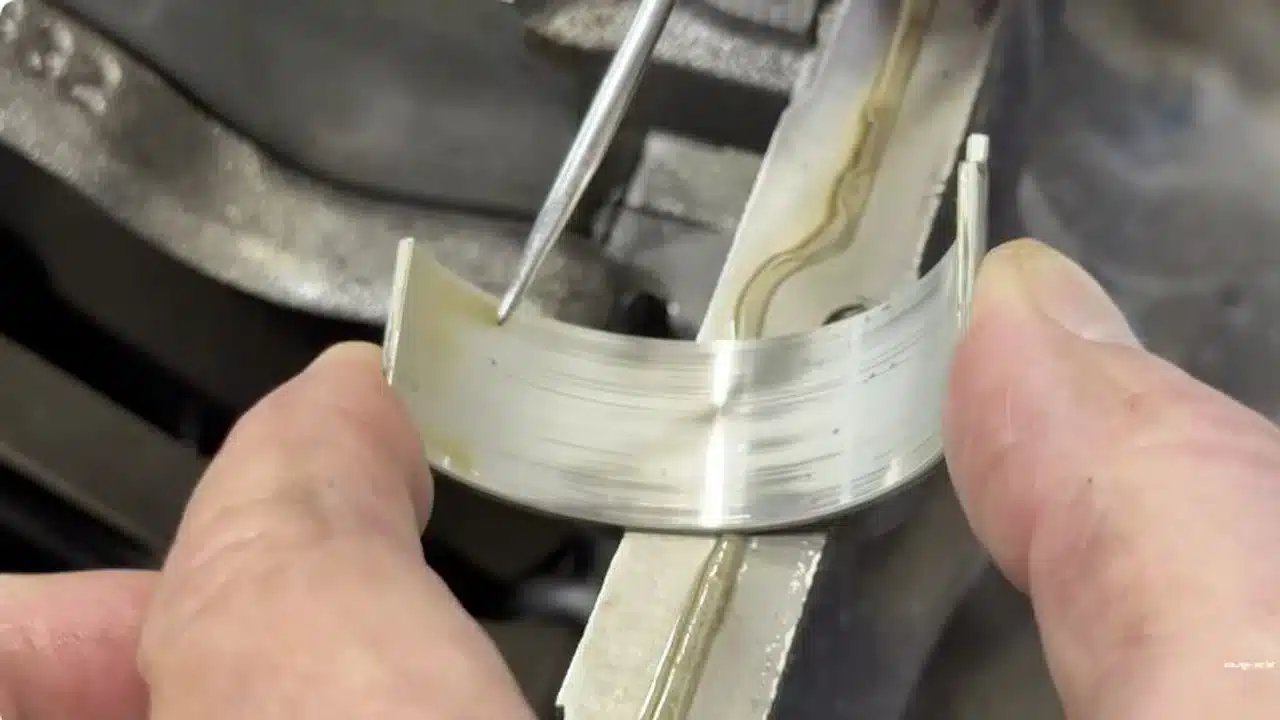
GM had already issued a recall in 2025, NHTSA recall 25V-274 (GM recall N252494000), filed April 24, 2025, covering 597,571 2021-2024 trucks and SUVs, after connecting rod and crankshaft defects causing catastrophic engine failures .
That recall remedy, in many cases, amounted to a switch in oil viscosity: the recall calls for inspection and repair or replacement when needed, with vehicles passing inspection receiving higher-viscosity oil, a replacement filter and oil cap, and updated manual information , rather than a full engine replacement.
Owners reporting failures after the fix
Regulators escalated the case after hundreds of owners said their engines failed even after completing the recall repair. Of the 499 NHTSA complaints alleging post-remedy failure, 473 came from owners who received the oil viscosity change, the lighter-touch fix, and 26 came from owners who had already received a full engine replacement.
The agency also logged reports from engines built after the original recall’s production window closed, pulling newer 2025 and 2026 model year trucks into the probe. NHTSA logged 191 failures in L87 units built after the production window covered by the earlier campaign. Combined, this office has received 946 reports of L87 engine failure in vehicles subject to Recall 25V-274 or manufactured after the production period cited in Recall 25V-274.
GM itself has reported a far larger tally of complaints internally. 6,953 post-remedy complaints reported to NHTSA by GM itself. Owners have described symptoms ranging from engine knock to sudden, complete loss of power while driving.
What regulators are demanding by the deadline
The November 13 deadline requires GM to go well beyond a simple failure count. Investigators want individual records tied to details such as VIN, mileage, incident date, recall completion and remedy. GM must also provide supporting documents, explain its searches and address causes, failure mechanisms, safety risks and potential warnings.
The National Highway Traffic Safety Administration’s Sept. 15 information request seeks complaints, field reports, warranty and goodwill claims, lawsuits and incident records related to alleged engine seizure from internal component failure. It also asks for reports involving crashes, injuries, deaths, fires or property damage. GM’s answers were due October 30, 2026. On October 23, GM asked for more time, and on October 25 ODI posted a memo granting it.
The engineering analysis marks a more serious phase than a standard recall query. GM told the agency it needed more time because, GM told NHTSA it needed more time because it was still analyzing field data after the investigation broadened.
The request covers evidence within a defined investigation rather than every L87 engine ever built. This is a structured request for evidence within a defined investigation, not a demand covering every GM 6.2-liter engine ever built. That distinction matters for owners of the heaviest-duty work trucks, including the half-ton pickup segment where the Silverado and Sierra compete directly.
Why it matters for nearly a million owners
The L87 has been one of GM’s most widely used truck and SUV engines in recent years, powering everything from work-focused Silverado and Sierra pickups to the Tahoe, Suburban, Yukon and Cadillac Escalade.
A finding that the current fix is inadequate could force GM into a broader recall or a more expensive remedy such as mandatory engine replacement across a much larger population of vehicles. EA26005 is an engineering analysis, which is the final investigative stage before regulators can make an initial decision that a defect exists and press for a recall.
GM has not announced a new remedy, and the case remains open as the agency reviews the records due this month. The November 13 deadline concerns GM’s submission of records. It does not establish a deadline for additional recall repairs or require NHTSA to announce a new recall by that date. The outcome could ripple into fleet and used work truck markets, where buyers increasingly scrutinize recall history before a purchase.
