A wrist that used to buzz every few minutes now sits quieter in showrooms across the country this fall.
Shelves that once bowed under smartwatch boxes are making room for something smaller.
A ring slips onto a finger without a single notification.
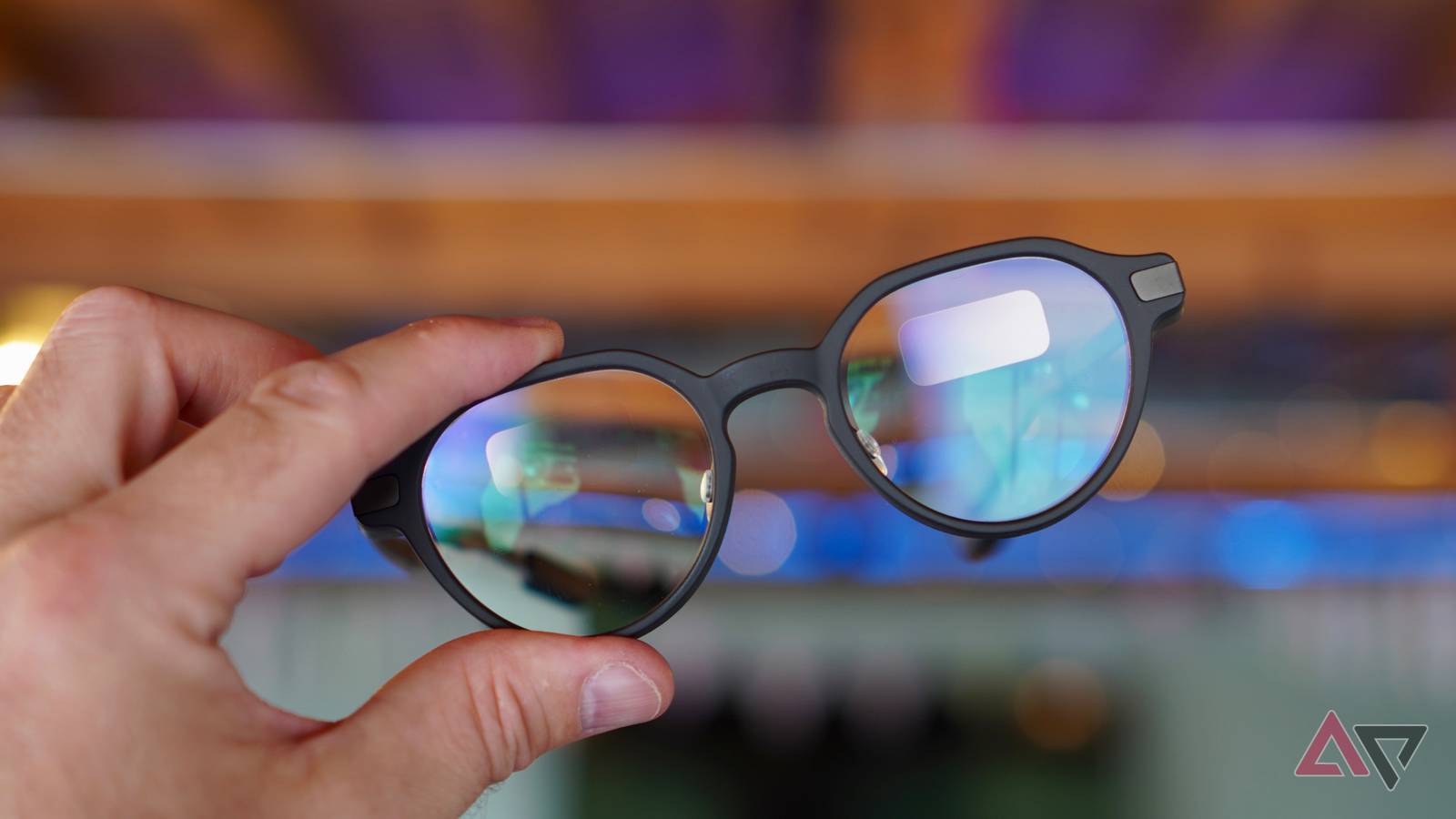
A pair of ordinary looking glasses now listens, answers and films without anyone noticing.
Shoppers are not abandoning wearables, they are choosing which part of the body gets the computer.
So why is the wrist suddenly losing that fight?
Why shoppers are moving the computer from the wrist to the face and the finger
The mechanism is simple and it is about replacement timing, not taste. Most smartwatch owners already bought one in the past few years, so there is no fresh reason to buy another, and component price pressure has kept new models expensive enough that upgrades slow down even further.
Meanwhile, glasses and rings are starting from almost nothing, so every single unit sold counts as enormous percentage growth. A first purchase in a brand new category always looks dramatic next to a mature one running out of fresh buyers.
There is also a simple physical reason people are drawn to the newer shapes. A ring disappears onto a hand for a week of battery life, while glasses fold audio, a camera and a voice assistant into a shape people already wear anyway, so the friction of adoption nearly vanishes. That combination of comfort and disguise is doing more to move buyers than any marketing campaign could.
That is a structural pull, not a passing trend, and it explains why two tiny categories are suddenly growing faster than the device that defined wearables for a decade.
Inside a quarter where the wrist lost ground and the face and the hand gained it
Picture the back half of this year’s shopping aisles, where a smartwatch display that once anchored the entire wearables section now shares space with slim ring boxes and glasses cases stacked near the checkout counter, a small rearrangement that signals a much bigger one underneath.
According to IDC’s tracker, worldwide wearable shipments reached about 148 million units in the spring quarter, up nearly 3 percent year over year.
That headline number hides a much sharper split underneath it. So where did that overall growth actually come from? Not the wrist. Glasses grew 54 percent year over year to reach almost 2 percent of total share, supported by strong demand for AI glasses and new optical styles, while rings rose nearly 38 percent to under 1 percent share.
Those are small absolute numbers dressed in large percentages, but the direction matters more than the size right now. A category that barely existed three years ago is now the fastest mover in the entire wearables business, exactly as the old leader stumbles.
The hard numbers behind the switch, and who still leads each piece of it
Zoom out to full year forecasts and the pattern holds. Analysts tracking the category found wearables up about 2 percent this year to roughly 626 million units, with hearables holding 65 percent of volume and smart glasses up 41 percent, while smartwatches fall nearly 3 percent and wristbands drop almost 7 percent, confirming the wrist is the one part of the market actually shrinking.
Smart rings tell a similar story from a different angle. Market trackers estimate one leading ring maker sold 3.6 million units in the year to this past June and had 5 million paying members by then, double a year earlier, a pace that helped pull the entire ring category along with it. Even so, rings remain a tiny sliver of total volume, with one analysis noting that roughly 4.9 million ring units this year equal about 3 percent of smartwatch volume, so nobody is calling this a takeover yet.
Glasses carry a sharper split of their own. Industry trackers found audio glasses, the display free style that includes popular camera equipped models, made up over 70 percent of shipments for the quarter, up from under 62 percent a year earlier, meaning the winning design barely shows a screen at all.
Where this shift runs into real limits
None of this means the smartwatch is disappearing from wrists anytime soon. The device still ships over thirty times the volume of rings and glasses combined, and that gap will not close in a single year of fast percentage growth from a small base.
And the slowdown itself has an ordinary explanation that has nothing to do with glasses or rings stealing customers, since reporting on the category found forecasts of a nearly 3 percent decline in smartwatch units this year, citing memory related supply constraints that keep prices elevated and soften replacement demand, a supply chain problem as much as a taste shift.
Spending patterns complicate the picture further. Even as unit volume falls, premium buyers keep writing bigger checks, with one tracker noting a major fitness brand’s revenue rose 25 percent in the same period that smartwatch shipments fell, which means people are not quitting wrist wearables, they are simply buying fewer, pricier ones.
Glasses growth is cooling too, just from a much higher peak. One report found the category’s recent year over year increase marked a significant moderation from the triple digit growth tracked in the prior quarter, which is still fast, just not accelerating anymore.
What the shift means for shoppers and for the industry’s next moves
For an ordinary buyer standing in an electronics aisle, this split explains why glasses and rings suddenly feel everywhere even though sales data still crowns the smartwatch king by volume. The newer categories are growing loud while the old category grows quiet, and that contrast is reshaping where attention and investment flow next.
That decline has already reshaped who gets attention from chipmakers and software teams, the same shift that has pushed companies toward tighter on device processing, the kind covered in how a tracker recently added coaching software built around AI rather than simple step counts.
Meanwhile, the fight for dominance inside the glasses category looks every bit as fierce as the fight that once defined smartwatches, echoing the pattern already playing out in another hardware category losing share to a fast moving rival.
So the lesson for the rest of this year is not that the smartwatch is finished. It is that two categories nobody took seriously five years ago are now the fastest growing parts of an industry that thought it already knew where its growth would come from.
