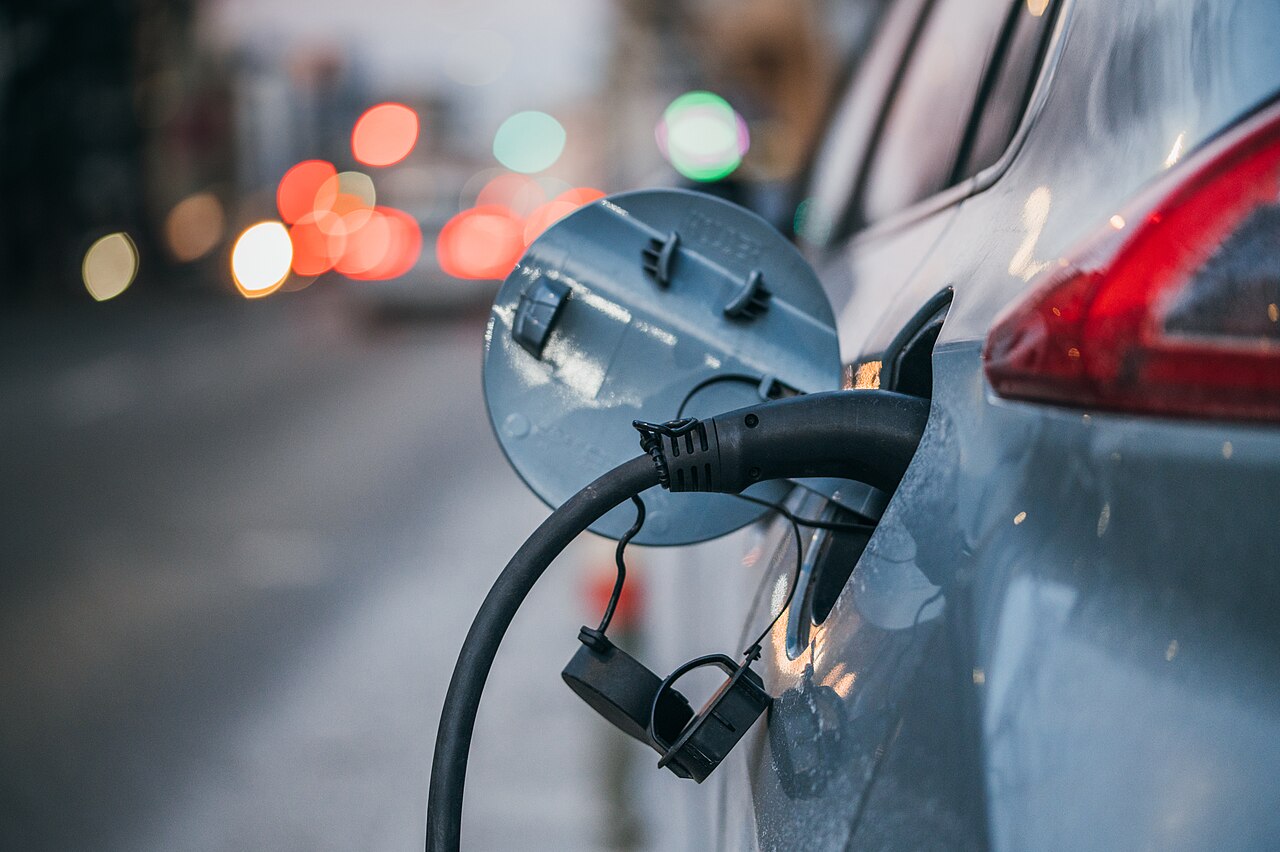
A driveway charger clicks on long after the dinner dishes are done, its cord glowing faintly in the dark.
No one touched an app or flipped a switch to make that happen.
Inside the house, a thermostat sized box is doing the negotiating.
It is reading a price signal, not a text message from the power company.
That shift from asking drivers to opt in toward simply pricing the hours for them is now reshaping how American utilities plan for millions of electric vehicles.
How automatic pricing replaced the opt-in pitch
For years, utilities leaned on a simple pitch: sign up, hand over some control of your charger, and collect a monthly cash incentive in return. The logic was straightforward, a flatter overnight charging curve meant fewer strained transformers and less need for costly upgrades.
But the pitch barely worked.
So the industry has pivoted toward a mechanism that does not require anyone to say yes. Instead of asking drivers to hand over control, utilities are building time of use rates directly into the bill, making overnight electricity cheap enough that charging late becomes the obvious move, with no enrollment form required for the cheaper rate itself.
That is a meaningful change in mechanism. A rebate asks a driver to actively trust a utility with a piece of their car; a steep overnight price just asks them to notice their bill, which turns out to be a far lower bar to clear.
What the shift looks like on the ground
Georgia Power, Duke Energy and other utilities now run dedicated overnight windows priced near a few cents per kilowatt hour, compared with on-peak rates that can climb past 29 cents during late afternoon hours. Georgia Power’s Overnight Advantage plan, for instance, charges roughly 2 cents per kilowatt hour between 11 p.m. and 7 a.m., against rates near 30 cents on summer weekday afternoons. For a driver charging a daily commute’s worth of range, the gap between plugging in at 6 p.m. versus midnight can run into hundreds of dollars a year.
Not every utility has made that leap yet. Con Edison’s SmartCharge NY program still runs on the older incentive model, a filing shows the program moved 97 percent of enrolled charging sessions off peak hours, with more than a quarter of the utility’s light duty EVs already enrolled, but that participation came from drivers who signed up for cash payments, not from an automatic rate. It shows the ceiling a well run incentive program can reach, even as other utilities try to clear that same ceiling with pricing instead of enrollment.
Fleet operators are watching the pricing math scale up in places that have made the shift. Depots adding new charging load across multiple cities face the same choice utilities are nudging households toward, pack charging into the cheapest hours or pay a steep premium for ignoring the clock.
The hard numbers behind the pivot
Federal data help explain why utilities stopped waiting for drivers to volunteer. The Energy Information Administration’s Today in Energy series reported that growth in EV charging demand slowed sharply in the first half of this year, even as vehicles already on the road kept adding steadily to total load.
That slowdown followed a drop in new EV sales after federal tax credits expired last September, the agency found. Even so, light duty EV electricity use has more than doubled over three years, reaching nearly 14 billion kilowatt-hours in the first half of this year alone, according to the agency’s Monthly Energy Review.
The original California trial behind that $40 rebate enrolled the entire eligible customer base, not just self-selected volunteers willing to try something new. Even quadrupling the top incentive lifted enrollment by less than four percentage points total.
That is the number that forced a rethink. A program that cannot move past single digit enrollment, no matter the dollar amount attached, cannot be the backbone of grid planning for a vehicle fleet expected to keep growing for decades.
Where the pricing approach still runs into trouble
None of this means automatic pricing solves every problem a managed charging rebate once tried to fix. A price signal only works if a driver’s schedule actually lets them shift load, and renters, apartment dwellers and shift workers often cannot simply wait until midnight.
Worse, a flat overnight discount knows nothing about the condition of the local transformer underneath a specific street. Price signals operate at the scale of an entire rate class, while actual grid stress shows up block by block, sometimes on a single aging transformer.
That mismatch is why utilities are not abandoning active, two-way managed charging entirely. Commercial fleet programs still rely on direct control signals rather than price alone, because a sudden spike at a depot carries higher stakes than one at a driveway.
Even parked personal vehicles are being pulled into more active arrangements elsewhere. Parked cars in New England let household EV batteries bid into the grid like a power plant, a far more active role than simply responding to a cheaper overnight rate.
What the pivot means for the next phase of EV growth
The practical lesson utilities are drawing is not that managed charging failed, but that the voluntary, opt-in version of it hit a ceiling few incentive levels could break through. Automatic pricing does not need anyone’s permission, which is precisely why it scales where rebates stalled.
That does not make the rebate approach worthless.
Filings and rate plans from utilities around the country suggest the two tools now coexist, pricing for the mass market, direct control or cash incentives for the largest commercial loads and the utilities not yet ready to retire enrollment forms. For an ordinary driver, the practical upshot is simple: the dashboard nudge to delay a charge, or the quiet discount on next month’s bill, is no longer an experiment. It is becoming the default way a growing fleet of electric vehicles gets absorbed into the grid, one overnight hour at a time.
