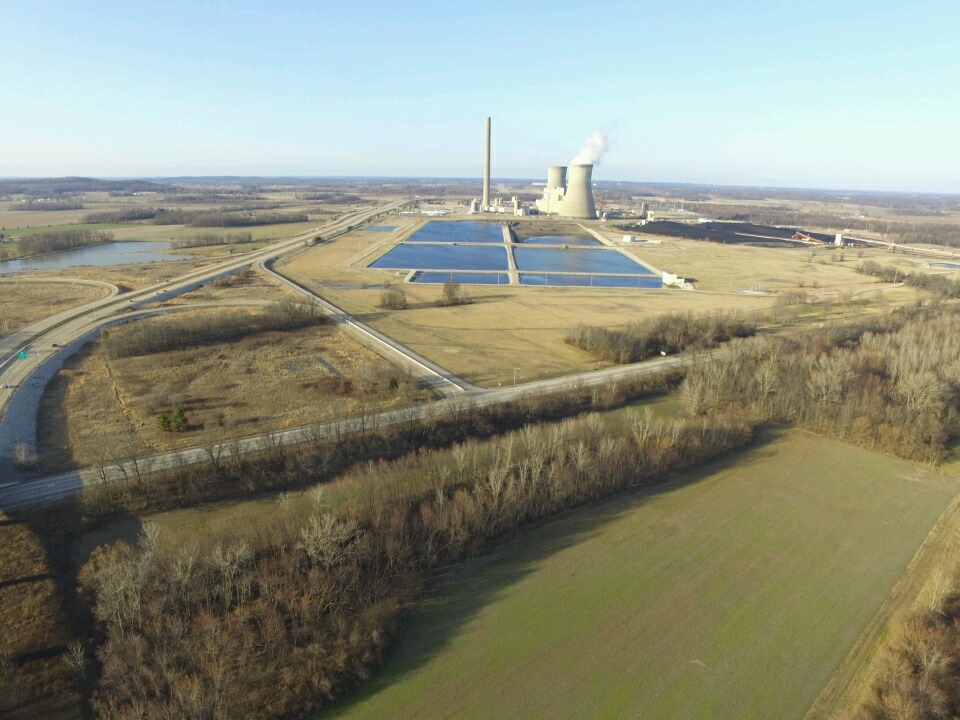
The United States consumed 34 quadrillion British thermal units of primary energy in 2025 to deliver just 14 quadrillion BTUs of electricity to homes and businesses, meaning nearly 60% of that energy was lost before it ever reached an outlet, according to new federal data from the US Energy Information Administration.
Where the losses happen
In 2025, the United States consumed 34 quadrillion British thermal units (quads) of primary energy to deliver 14 quads of electricity sales to end users, with nearly 60% lost.
The EIA tracks this gap every year as part of its broader accounting of how fuel and other energy sources move through the power system before reaching a meter.
About 95% of the losses came from converting primary energy into electricity, mostly due to lost heat from burning coal and natural gas.
Power plants that burn fuel to boil water and spin a turbine inevitably shed a large share of that heat into the air or into cooling systems rather than turning it into usable electricity.
That physical constraint has shaped US generation economics for decades.
The remaining 5% was lost in the course of delivering electricity across grid infrastructure to homes and businesses.
That smaller category covers resistance losses along high voltage lines, transformers, and local distribution networks that carry power the final miles to customers. In 2025, T&D losses accounted for less than 1 quad of the energy consumed to generate electricity, compared with 18 quads lost to conversion, and as the electric grid has grown more efficient, T&D losses have fallen as a share of retail electricity sales.
Why fuel source matters so much
The size of the conversion loss depends heavily on what is burned or spun to make the electricity in the first place.
The average potential energy contained in coal used by US power plants is about 10,077 British thermal units per kilowatthour (Btu/kWh), more than twice the energy contained in electricity output, which is the constant 3,412 Btu/kWh.
Generation sources that skip combustion entirely, including solar panels, wind turbines, hydropower and nuclear reactors, do not carry that same heat rejection penalty in the same way fossil generation does. For energy sources such as hydropower, wind, solar, and geothermal that aren’t combusted to create energy, there is no generally accepted practice for measuring the thermal conversion rates for power plants that generate electricity from these sources, so EIA uses the heat content of electricity, 3,412 Btu per kilowatthour.
That is one reason analysts track the growing share of US electricity coming from non combustion sources as a structural shift in how efficiently the country turns primary energy into delivered power.
That shift has been reinforced by the manufacturing side of the solar industry, where companies have been racing to build out domestic capacity across the supply chain.
A persistent wafer gap still forces some domestically produced silicon to travel overseas and back before becoming a finished cell, even as module assembly lines in the US have multiplied.
A grid under growing strain
The efficiency math matters more as electricity demand climbs, driven in part by data centers, electrified transportation and industrial growth.
Utilities in multiple states have been seeking rate increases this year tied partly to rising fuel costs and infrastructure spending.
That includes a case where Oregon regulators rejected an interim rate increase request from PacifiCorp before the utility later reached a settlement on its broader general rate case.
Every quad lost in the conversion step effectively means more fuel burned, more capital spent on generating capacity, and higher costs ultimately passed to ratepayers to deliver the same amount of usable electricity.
That dynamic underpins why federal and state policymakers continue to track the mix of generation sources feeding the grid, since sources with lower conversion losses can reduce the total primary energy needed to meet a given level of electricity demand.
What the data shows going forward
The EIA’s Today in Energy series regularly publishes this kind of accounting to help policymakers, utilities and researchers understand where energy is used efficiently and where it is not.
The agency’s 2025 figures provide a baseline for comparing how the loss share shifts over time as the generation mix continues to change.
As more solar, wind, and storage capacity comes online alongside existing nuclear and hydropower plants, the share of US electricity generated without the heat rejection losses inherent to combustion is expected to keep growing.
That trend is one the EIA’s annual energy balance figures will continue to track in detail.
