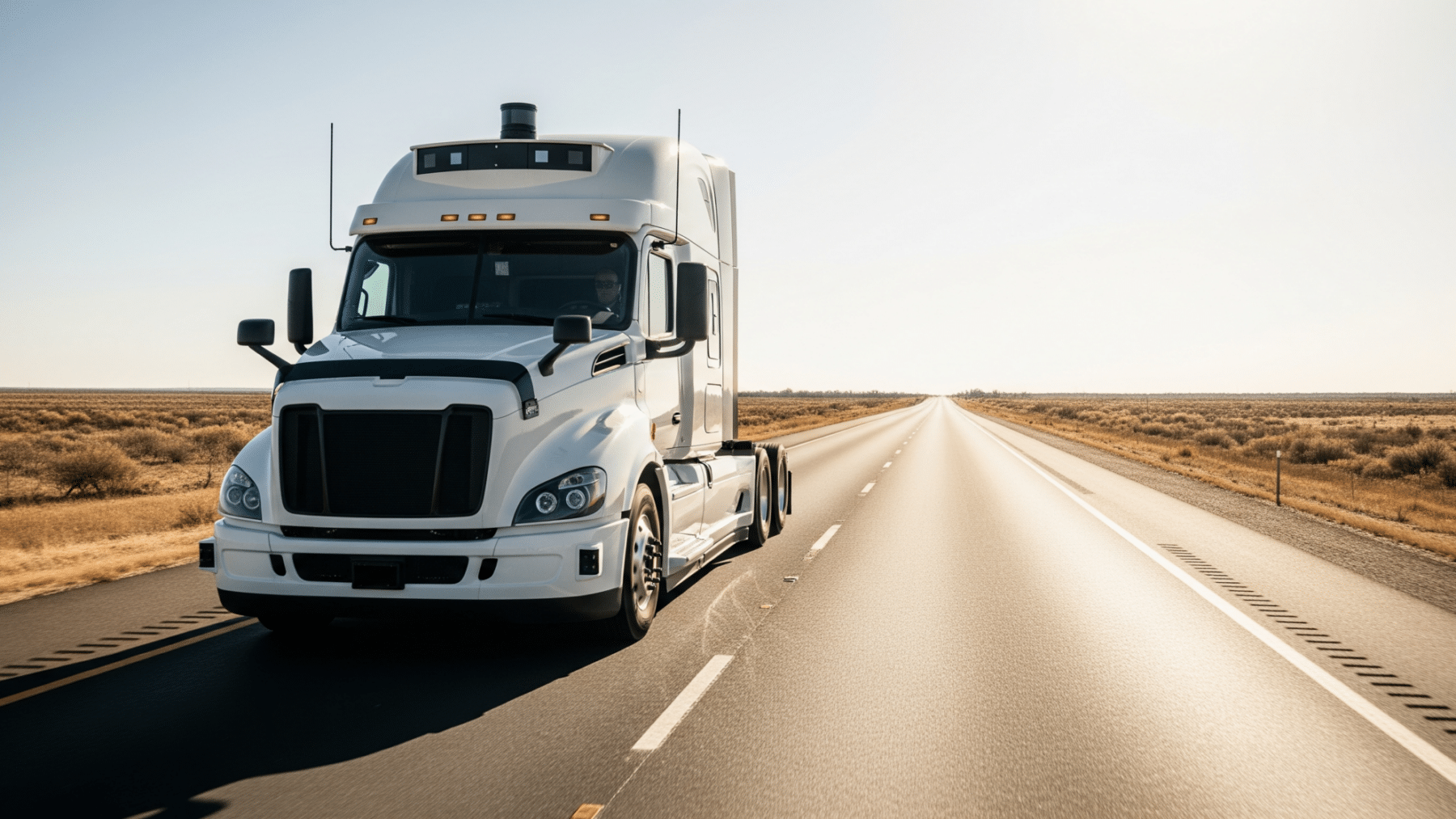
Aurora Innovation has deployed its second generation of fully driverless Class 8 trucks on commercial freight routes, putting autonomous hardware built for a one-million-mile service life into revenue-generating service across the U.S. Sun Belt.
New platform, lower costs, broader routes
Aurora Innovation has launched its second-generation driverless trucks, with plans to deploy the new fleet across its commercial network, which currently encompasses 10 driverless routes throughout the U.S. Sun Belt.
Built on the International LT Series platform and powered by Aurora’s next-generation hardware designed to last one million miles, the new fleet follows nearly 440,000 driverless miles logged since the company’s first commercial driverless deployment.
The second-generation platform combines hardware designed for a one-million-mile service life with a fully redundant, NVIDIA-powered computer that is 40 percent smaller than the previous version. Aurora emphasized safety through its Safety Case process, FirstLight lidar detection of more than half a mile, and a potential 34-second response advantage at highway speeds.
CEO and co-founder Chris Urmson said the new platform “now provides the foundation to deliver at scale.”
Scale-up targets and production ramp
Manufacturing partner Roush has formalized an upfit process, positioning the companies to reach an annual production run-rate of 1,000 Aurora trucks later this year.
Aurora launched its second generation of autonomous trucks July 22. The trucks are International Motors LT Series tractors upfitted by Roush Industries, which is expected to be delivering 20 trucks per week to Aurora by year’s end.
The Driver also powers the Volvo Autonomous Solutions partnership, with the new fleet based on the International LT Series and Aurora’s next-generation hardware, which Aurora says will ultimately be placed into the hands of more customers. Volvo Autonomous Solutions has also begun commercial autonomous freight deliveries for customers AVI-SPL and DSV using factory-built Volvo VNL Autonomous trucks, with AVI-SPL beginning commercial autonomous freight operations between Dallas and Houston in June.
Aurora’s 2026 milestones include Hirschbach Motor Lines’ plan to scale an autonomous fleet, with the intent to own and operate 500 trucks through Aurora’s Driver as a Service model, a potential multi-year revenue stream in the hundreds of millions of dollars, with truck delivery slated to begin in 2027. The Hirschbach arrangement remains a non-binding memorandum of understanding; a definitive agreement has not been announced.
As of the end of June, the Aurora Driver has completed nearly 440,000 driverless miles.
Aurora projects that a 1,000-mile Fort Worth-to-Phoenix trip could be completed up to 40 percent faster than with a solo driver while increasing revenue potential through greater truck utilization.
The productivity edge stems from the ability of autonomous systems to run continuously without mandatory rest breaks that govern human drivers under federal hours-of-service rules.
Freight customers and industry context
McLane Company, a Berkshire Hathaway subsidiary, has begun driverless hauls with Aurora. McLane uses Aurora Driver technology in long-haul trucking to move supplies to restaurant brands, with autonomous technology controlling the middle mile while human drivers handle last-mile local delivery.
Aurora has reiterated 2026 revenue guidance of $14 million to $16 million. The full-year figure represents growth of approximately 400 percent at the midpoint, with more than half of projected revenue expected in the fourth quarter.
Aurora’s network of 10 routes, new commercial agreements, and a target of more than 200 driverless trucks by year-end signal a wider shift toward scaled commercial deployment. That trajectory could eventually reshape how fleets think about used-vehicle pipelines as autonomous Class 8 units accumulate operating hours faster than human-driven equivalents.
What comes next
Aurora unveiled its second-generation driverless trucks July 22 and plans a fleet of more than 200 autonomous trucks by the end of 2026.
Aurora has partnered with manufacturing supplier Roush to integrate redundant systems at a dedicated production facility, positioning the companies to reach an annual production run rate of 1,000 Aurora trucks later this year.
Aurora’s investor relations page confirmed the second-generation launch and ongoing route expansion. Rising transaction prices documented across new and used car segments are also pressuring fleet operators to find efficiency gains wherever available, making the cost-reduction promise of Aurora’s second-generation hardware a closely watched data point across the logistics industry.
