Colorado has identified the Denver-Julesburg Basin and sites near retiring coal plants as the state’s best near-term opportunities for geothermal electricity generation, according to a new market assessment released by Governor Jared Polis and the Colorado Energy Office.
The report, issued October 29 in Boulder, is the state’s most comprehensive look yet at where geothermal power and heating could take hold across its grid and buildings.
What the assessment found
The Colorado Geothermal Market Assessment evaluates the current geothermal market, perceptions of geothermal technologies, and potential geothermal resources for heating and cooling and electricity generation across five geographic regions in the state.
Geothermal heating and cooling could reduce energy costs across Colorado, while the Denver-Julesburg Basin and sites near retiring coal plants offer near-term opportunities for electricity generation, according to the assessment.
The report found that geothermal heating and cooling is viable in all five regions and could lower heating costs, support grid resilience and improve air quality.
Colorado does not yet have an operational geothermal power plant, though the assessment shows seven developers are currently exploring power or deep geothermal projects in the state, according to reporting by the Deseret News.
Where the state’s money has gone
Colorado Gov. Jared Polis and the Colorado Energy Office released the report at the 2026 National Association of State Energy Officials conference.
The report also reviews $42.6 million in state geothermal incentive awards. Of that funding, 81 percent went to thermal energy networks, 12 percent to geothermal electricity exploration and 7 percent to direct-use and waste heat recovery projects.
That funding has flowed through two state programs: the Geothermal Energy Grant Program and the Geothermal Energy Tax Credit Offering, according to the Colorado Energy Office.
Recent awards under those programs have backed projects ranging from a thermal energy network at an Aspen school district to a geothermal resource assessment by Fervo Energy covering the Denver Basin and northwest Colorado.
Why the Denver Basin and coal sites stand out
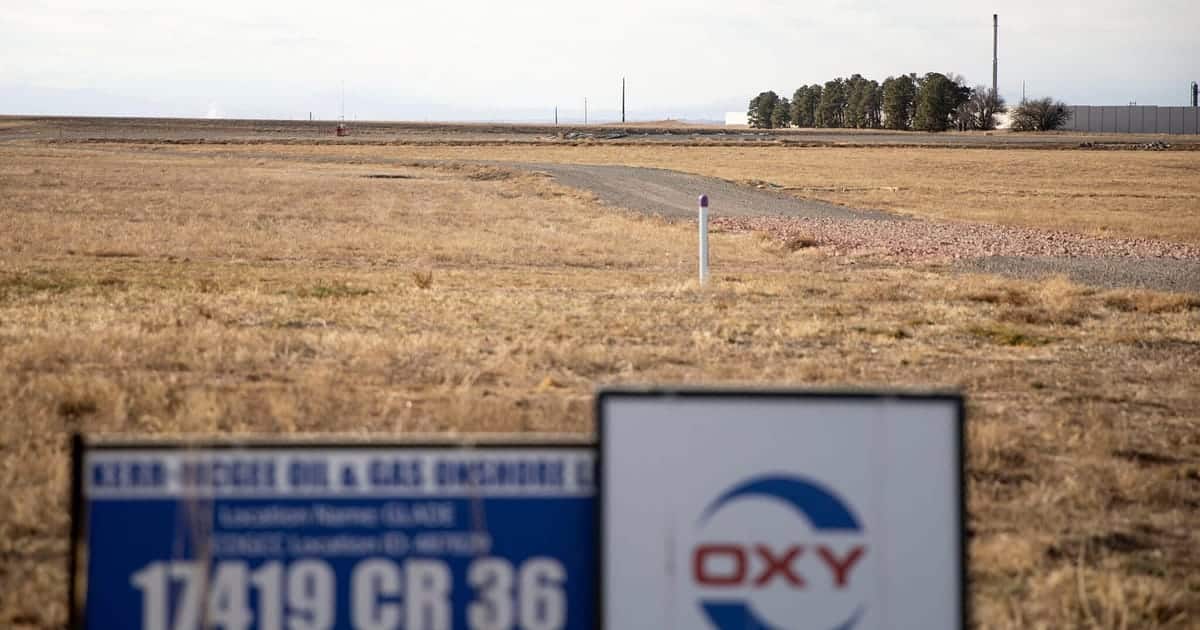
The assessment points to the Denver-Julesburg Basin, a geological formation long drilled for oil and gas beneath the state’s Front Range, as a candidate for electricity generation.
Existing subsurface data from decades of fossil fuel extraction can reduce the cost and risk of exploring for geothermal heat there.
Sites near retiring coal plants carry similar appeal. They already have transmission interconnections and grid infrastructure in place, which can lower the cost of bringing new power sources online.
The assessment also found a 60 percent overlap in geothermal workforce skills with the oil and gas sector, indicating geothermal’s potential to create jobs in communities most impacted by the transition away from fossil fuels.
That workforce finding echoes a broader argument state officials have made for geothermal as a way to redeploy drilling expertise rather than lose it.
How Colorado compares with its neighbor
Colorado’s push follows a similar trajectory to Utah, where Fervo Energy’s Cape Station became what developers describe as the first utility-scale enhanced geothermal project in the world to reach first power, according to the Deseret News.
Colorado is now laying out its own similar path. The state has awarded about $42.6 million in geothermal incentives for 53 geothermal projects in the last four years and doesn’t appear to have an operational geothermal plant yet, while seven developers are exploring power or deep geothermal projects.
The report was developed with input from eight working groups representing utilities, researchers and industry, according to the governor’s office.
Those groups covered topics including electricity generation, thermal energy networks, project financing and workforce development, reflecting an effort to line up policymakers, utilities and developers around a common strategy before major power projects move forward.
Colorado’s approach fits into a wider national pattern of states and companies betting on next-generation geothermal technology to supply steady, round-the-clock power as electricity demand climbs.
That same dynamic has driven battery storage proposals like Dominion Energy’s Virginia storage plan and grid investments tied to rising load from data centers and electrification, including projects detailed in a Michigan data center agreement.
