The Imperial Irrigation District has signed agreements to purchase 86 megawatts of geothermal power from two Southern California plants, locking in a new source of around-the-clock electricity for the Imperial and Coachella Valleys starting in 2027.
The California public power utility announced the deals with BHE Renewables, through its CalEnergy subsidiary, covering output from the Salton Sea 4 and Leathers geothermal plants near Calipatria.
What the agreements cover
The Imperial Irrigation District (IID) has executed agreements with BHE Renewables, through its CalEnergy subsidiary, to secure additional energy resources that strengthen electric reliability, help meet growing summer demand and advance IID’s renewable energy goals. The agreements include 86 megawatts of around-the-clock geothermal energy from the Salton Sea 4 and Leathers geothermal projects in Calipatria, along with additional capacity from the Yuma Cogeneration natural gas facility in Yuma, Arizona.
The geothermal agreements include 44 megawatts from the Salton Sea 4 project and 42 megawatts from the Leathers project. Both agreements include geothermal energy and associated renewable energy credits, with deliveries to IID beginning Jan. 1, 2027.
Power delivery under the contract will start by 1 January 2027 and will last for a period of 10 years. The district is a community-owned public power utility serving the farming communities of California’s Imperial Valley and parts of the Coachella Valley.
It operates separately from the state’s large investor-owned utilities, several of which have recently filed for double-digit rate increases tied to grid investment.
Why the utility says it needs the power
IID framed the purchase as a reliability move tied to rising summer electricity demand in a region known for extreme desert heat.
“Together, these resources will strengthen IID’s energy portfolio and help meet growing demand across the Imperial and Coachella Valleys,” the utility said on Sept. 21.
IID General Manager Jamie Asbury said, “These agreements are about making sure IID continues to provide reliable public power while planning responsibly for the future.”
Asbury added, “By adding established resources to our portfolio, including local renewable geothermal energy, IID is strengthening reliability for customers and continuing to meet the needs of our community-owned public power utility.”
Geothermal energy provides reliable, around-the-clock renewable power, making it an important resource for IID, particularly during the hot summer months when electricity use is at its highest, IID noted.
Unlike solar or wind generation, which depend on weather conditions, geothermal plants can run continuously, which utilities often value for covering baseload demand.
A long-running resource in the Salton Sea
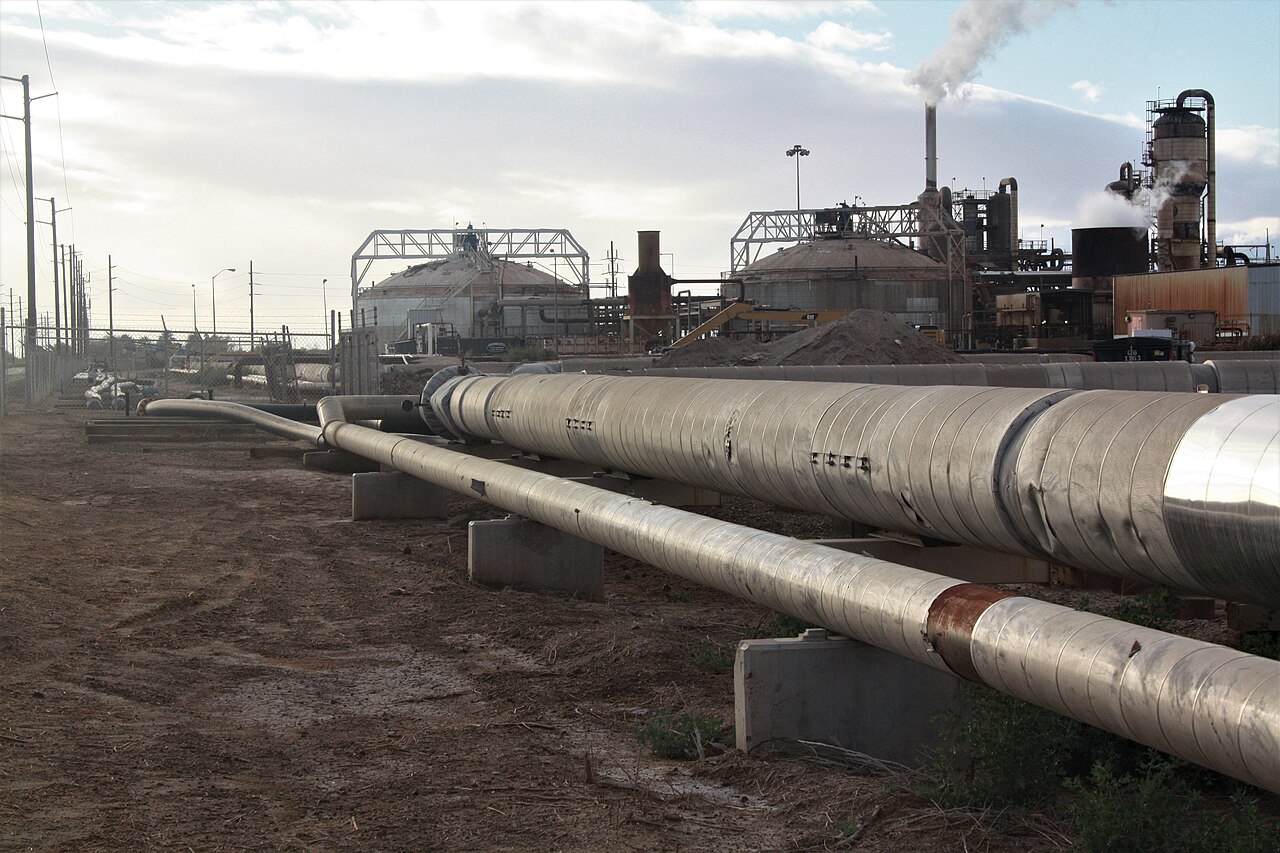
The Salton Sea 4 and Leathers plants are part of a decades-old geothermal complex that BHE Renewables, a subsidiary of Berkshire Hathaway Energy, operates in the Imperial Valley.
BHE Renewables operates ten geothermal power plants in Imperial Valley in California with a total installed capacity of 345 MW. The region sits atop one of the most productive geothermal resource areas in the country, where naturally occurring heat and pressure beneath the Salton Sea have supported commercial power generation since the early 1980s.
The new contracts add to an existing commercial relationship between the two parties. IID’s resource plan also includes capacity from the Yuma Cogeneration facility, an established natural gas-fueled combined-cycle resource. While not a renewable resource, Yuma Cogeneration supports reliability by helping IID meet future peak demand periods, maintain required capacity margins and reduce reliance on spot market purchases during periods of high system demand.
These geothermal resources also support IID’s efforts to meet California’s Renewable Portfolio Standards and greenhouse gas reduction requirements.
Part of a broader push for geothermal power
The IID deal lands amid a wave of new activity in the US geothermal sector this year, much of it concentrated in Nevada, Utah and California.
Federal regulators and developers have been working to streamline permitting and financing for both conventional geothermal plants like those in the Imperial Valley and newer enhanced geothermal systems that use drilling techniques borrowed from oil and gas.
Other utilities around the country have been locking in long-term power contracts to secure firm, weather-independent generation as electricity demand climbs, a dynamic also visible in deals tied to battery storage such as the iron-sodium battery project funded in Massachusetts.
For IID, the geothermal purchase gives the district a locally sourced, decade-long supply commitment just as it works to keep pace with growth across two of Southern California’s fastest-warming valleys.
