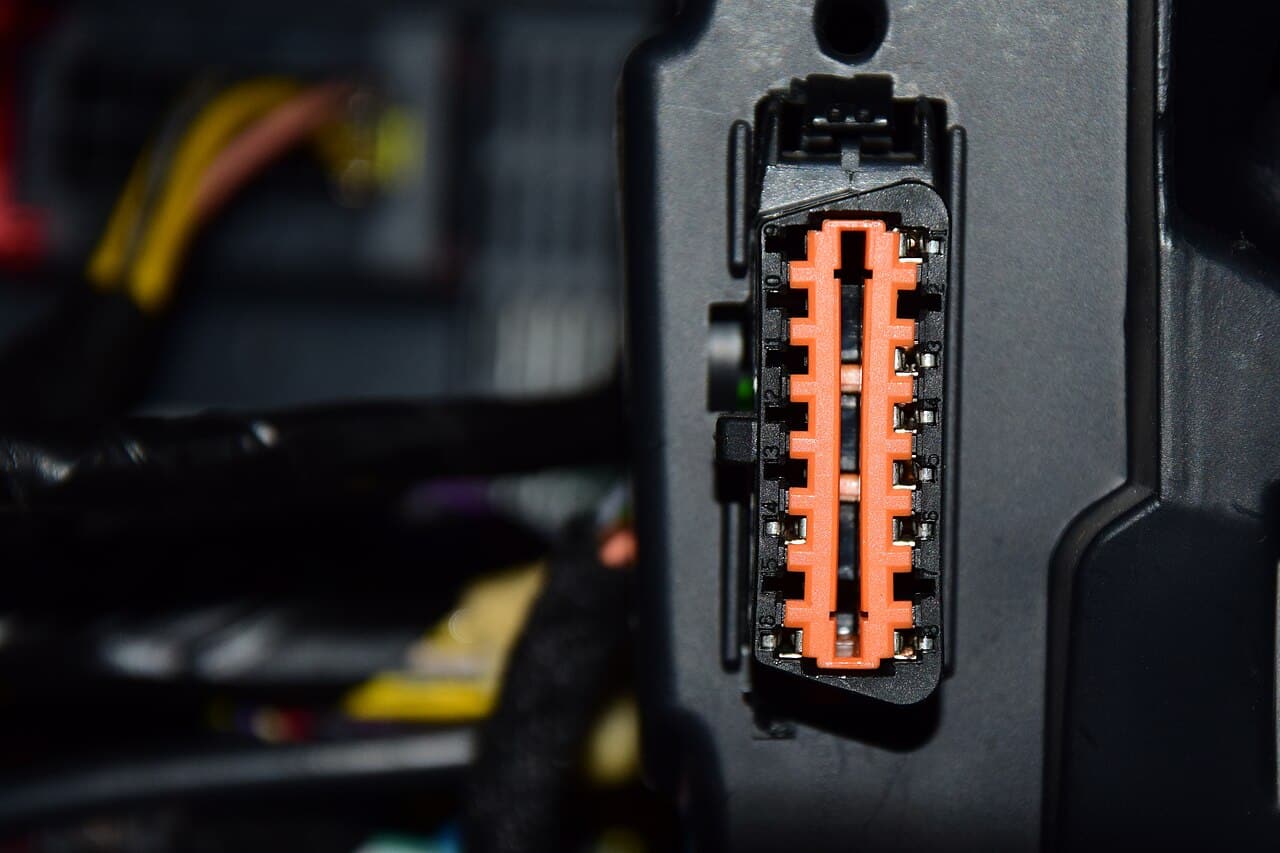
A delivery van idles in a depot lot while a small black box blinks under the dashboard, quietly reporting its location every few seconds.
That box is the whole pitch.
Cheaper fuel bills, fewer wrong turns, a dashboard a manager can check from a phone.
Fleet owners sign up expecting a simple monthly add on, like a phone plan for a truck.
Thousands of small businesses have done exactly that over the past decade.
So what happens the day one of them actually wants out?
How the contract actually works once you sign it
Fleet tracking is sold on a subscription based model, where a company pays a recurring fee per vehicle to keep the dashboard live. That sounds no different from streaming a show or paying for cloud storage, and most owners treat it that casually when they sign.
Most fleet GPS providers use multi-year fixed-term contracts as their standard commercial model. Some brands push “no hardware charge” deals, but those almost always require multi-year contracts. That discount is recovered through a multi-year commitment buried in the fine print. Enterprise platforms typically require 24-36 month contracts. Two to three years is common, and month-to-month options also exist, often at higher rates, with the free box typically showing up only when a fleet agrees to the longer length.
So the real transaction is a loan on hardware, repaid through a locked subscription. That is why the cancellation terms end up mattering more than the sticker price ever did.
Across several providers’ published terms, the standard penalty is not a flat fee. The most common structure is straightforward: early termination fees in fleet GPS contracts are almost universally 100% of the remaining contract value, meaning cancelling today incurs the same cost as waiting out the remainder of the contract.
What that penalty looks like on an actual invoice
Picture a fleet running 50 vans, each paying around 30 dollars a month for tracking. Eighteen months into a standard three year term, the owner decides the software is not worth it and tries to cancel.
According to one detailed breakdown of industry contract terms, for most providers, standard contract terms run three years. A fleet that cancels 18 months in could face a fee equal to the remaining 18 months of payments across their entire fleet. For a 50-vehicle fleet at $30/vehicle/month, that is $27,000. The source lays out the math directly.
That number does not appear near the signup page. It surfaces only when an owner calls to cancel, or finally reads the clause they skimmed past years earlier while focused on the free hardware.
Meanwhile, the window to dodge an automatic renewal is narrow. Most contract-based providers require written notice of cancellation 30-90 days before the end of a contract term to avoid auto-renewal, and adding vehicles or devices mid-contract can create parallel contracts with different end dates and different auto-renewal windows.
This is not a fringe practice at one small vendor. A direct breakdown across major fleet tracking brands found that early termination fees in fleet GPS contracts are almost universally 100% of the remaining contract value , with 100 percent of remaining value showing up as the norm industry wide.
Why fleets rarely see the real cost until they try to leave
One reason the catch stays hidden is that renewal pricing itself can shift upward without warning. Promo rates sound great, but some jump 20 to 50% after 3 to 12 months, and early termination or restocking fees can hit $100 or more per device.
And the penalty is not just about tolerating slow support or a clunky app. Independent guidance written for fleet managers weighing a switch found that a three-year contract with early termination fees of $200-$500 per device makes switching providers prohibitively expensive, even if the service is poor.
Smaller operators rarely negotiate this before signing. They compare monthly rates across vendors, the way a shopper compares a lease, without weighing the exit cost at all.
Some providers have built a business around skipping the model. One Step GPS operates on a no-contract basis, with no long-term contracts required and no early cancellation fees. That stands out against the standard industry terms.
Where the lock in does and does not hold
Not every automaker handles fleet data this way. One truck manufacturer’s telematics program bundles basic tracking free with a new vehicle purchase for a fixed term: the cost of the Telematics Services for the initial Term is complimentary with the purchase of the vehicle, with an initial term of two years from the date of purchase, and no additional fees charged for standard services during that term. After that it shifts to optional paid tiers rather than penalizing an early exit.
That is a meaningfully different structure from the third party software contracts dominating the broader market. The box itself is rarely the expensive part. It is often free or near free, while the binding commitment is the service agreement wrapped around it.
Even careful fleets can get caught by a separate wrinkle. Adding vehicles or devices mid-contract can create parallel contracts with different end dates and different auto-renewal windows , so a fleet that scales up may unknowingly reset its own exit date.
This mirrors a pattern seen elsewhere in commercial vehicles, where small paperwork like a door frame sticker or a misconfigured part like the one behind a recalled braking system carries consequences far bigger than the object itself.
What fleet owners can actually do about it
None of this makes fleet tracking a bad tool. Real time location data, maintenance alerts and driver coaching genuinely cut fuel waste and downtime for businesses that use them well.
But the lesson from years of contracts now surfacing is straightforward. Treat the cancellation clause as seriously as the monthly rate before signing anything.
A fleet manager who asks about the termination fee and renewal window is protecting real money, not being difficult.
The market is slowly responding, with a small but growing number of providers now advertising no contract terms at all. For now, that remains the exception, so the fine print still deserves the same scrutiny as the dashboard everyone signs up to see.
