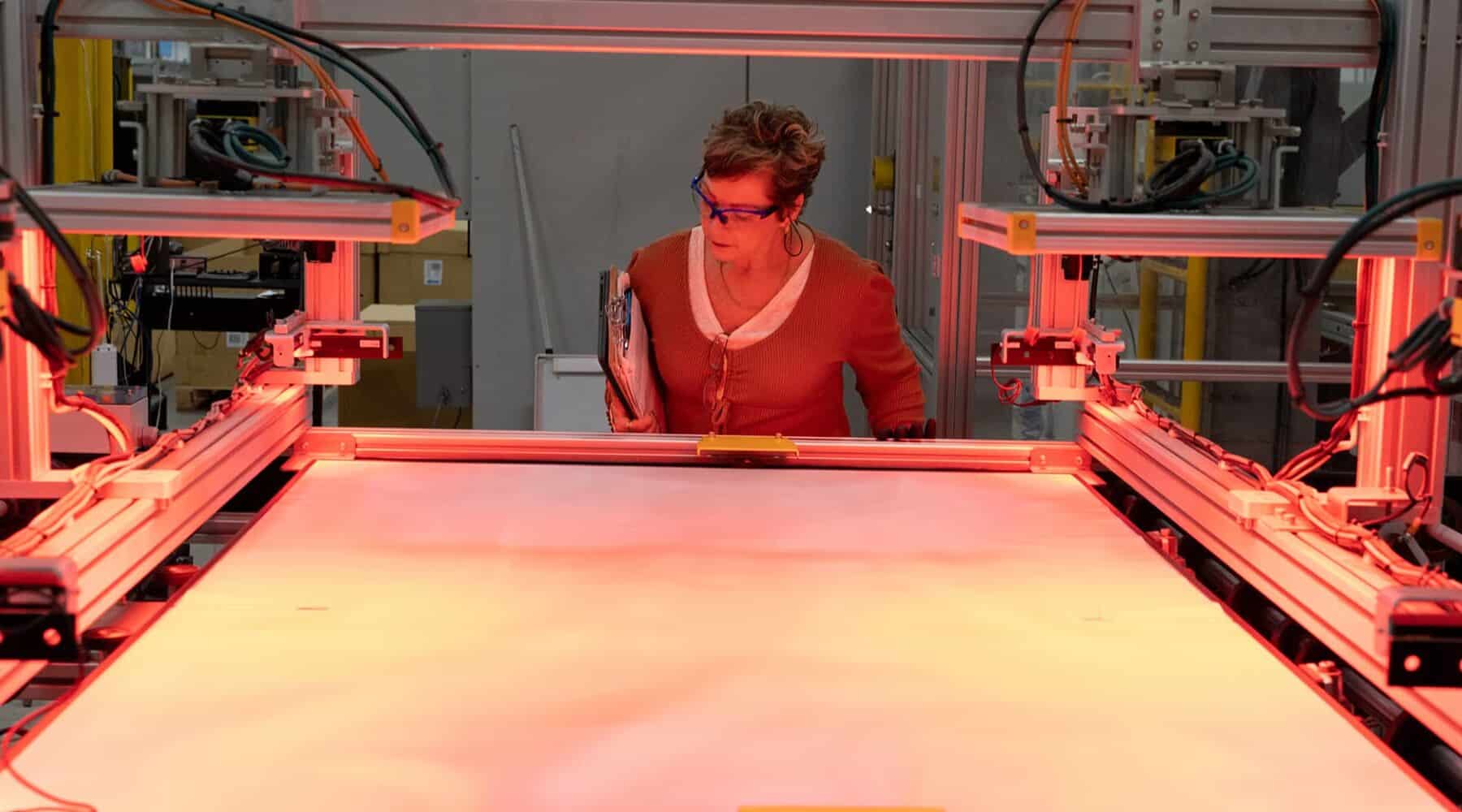
T1 Energy has received a waiver from the U.S. Department of Commerce allowing it to import up to 1.725 gigawatts of solar cells, a move the company says will keep its Texas module factory running while new domestic cell production comes online.
The company announced the decision on October 22 in a press release.
What the waiver covers
T1 Energy Inc. has received a waiver from the U.S. Department of Commerce allowing the company to import up to 1.725 gigawatts of solar cells to maintain manufacturing operations at its G1_Dallas solar module facility in Texas.
The waiver is tied to a Section 232 proclamation issued by the Trump administration in August, which targets market dumping and price manipulation of imported polysilicon and solar products derived from polysilicon. T1 Energy requested the waiver to maintain uninterrupted production while construction continues on its G2_Austin solar cell fabrication facility in Rockdale, Texas.
The waiver allows the company to meet its supply needs without fear of punishment for stockpiling solar materials under the Section 232 tariffs, set to take effect on Dec. 4, 2026. On that date, incoming shipments of polysilicon and silicon-based solar products will become subject to a 15% tariff alongside minimum import prices established in the order.
That measure was first detailed in GCN’s coverage of Trump’s Section 232 proclamation, which set both a tariff rate and price floors on imported polysilicon.
Bridging a construction gap
The G2_Austin facility represents Phase 1 of a 2.1 gigawatt solar cell manufacturing operation. T1 Energy said it expects to produce its first solar cells at the Rockdale facility in the first quarter of 2027.
Until then, the company needs imported cells to keep assembling finished modules at its existing Dallas plant.
In December 2024, T1 completed a transformative transaction, positioning the Company as one of the leading solar manufacturing companies in the U.S., with a complementary solar and storage strategy. It now operates a solar module facility in Dallas while constructing the solar cell facility in Rockdale, Texas.
” We appreciate the Commerce Department’s support in granting this waiver, allowing us to deliver solar modules assembled in Texas and expand U.S. solar cell manufacturing capacity without any unnecessary delays, ” said Dan Barcelo, Chairman and CEO of T1 Energy.
Barcelo added that customer demand for domestic solar cells and modules has increased since the Section 232 proclamation.
That demand signal matters for a US solar supply chain that has leaned heavily on imported components even as assembly capacity has expanded rapidly, a gap GCN has reported extends well beyond T1 Energy’s own operations, with domestic module factories far outpacing cell production nationwide.
First company to disclose a waiver
While other importers of solar materials have likely submitted similar waiver requests, T1 Energy appears to be the first company to publicly disclose receipt of such a waiver.
That makes the announcement an early test case for how the Commerce Department’s Bureau of Industry and Security will handle requests from manufacturers caught between finished Section 232 tariffs and unfinished domestic cell capacity.
The Commerce Department’s Bureau of Industry and Security issued an emergency rule outlining criteria it would use to determine evidence of stockpiling, setting import prohibition penalties for noncompliance and establishing a process for companies to obtain waivers.
T1 Energy’s approval shows that process now functioning in practice, days before the tariff and price floor regime takes effect.
Why it matters for US manufacturing
T1 Energy described itself as the largest American-owned manufacturer of silicon-based TOPCon solar modules , a technology at the center of broader patent and trade disputes across the industry, including the long-running fight covered in GCN’s report on a TOPCon patent lawsuit between rival manufacturers.
The Rockdale project adds to a wave of new US cell fabrication capacity meant to close the gap between module assembly, which has scaled quickly, and cell production, which still depends heavily on imported components ahead of the December tariff deadline.
