A shopper stands in a used car lot holding a crisp printout that says zero accidents, zero damage, one owner.
The paint looks even under the afternoon sun, and the salesman taps the report and calls it proof. Nobody in that lot is lying, exactly. But the paper itself was never built to catch everything that happened to this car. So what is actually missing from that clean looking page?
Why a spotless report can still hide a wrecked car
The mechanism is simple once you see it: a history report can only repeat what someone else chose to send it. Vehicle history companies do not inspect cars, run their own crash investigations, or pull a national accident feed. They depend entirely on third party submissions from insurers, police departments, auto auctions, and repair shops that volunteer the data, and nothing forces any of them to participate.
That dependency creates a gap big enough to drive a sedan through. A 2006 class action lawsuit claimed that CARFAX violated consumer protection laws by not disclosing the limitations of its service, specifically its inability to check accident records in 23 states in the U.S. while stating that its database contains information from all 50 states . More precisely, the complaint alleged that Carfax’s database does not include police accident data from 23 states , not that insurers themselves were accused of withholding records. The case wound through Ohio courts for years before ending in a settlement, and the patchwork of state-by-state reporting has never become a single federal mandate.
A legitimate body shop repair paid for in cash can leave no digital trail at all. The car gets fixed, repainted, and sold, and the report stays clean because nobody told the database anything happened.
What this looks like on an actual used car lot
Picture a five year old midsize sedan sitting under lot lights with a printed report clipped to the windshield. The price reflects that clean sheet, usually a few hundred dollars above a comparable car with any accident flagged on its history, even though nothing about the physical car has changed.
A rear bumper repainted after a parking lot tap, a door panel replaced after a minor side swipe, or frame work done at an independent shop can all sit underneath that same unmarked page. None of that shows up to the eye either.
So the report becomes a sales tool first, useful for catching the obvious frauds but far less reliable for the quieter fender benders that make up most accidents people actually have.
The complaints, the lawsuit and what the record actually shows
This is not a theoretical worry raised by one skeptical buyer. Local news investigations and consumer complaints have documented owners who bought cars with a clean report, only to run the same vehicle identification number again later and watch a prior crash appear that was not there at purchase.
One such case became the lawsuit itself. An Ohio man named Edward West bought a used Ford Mustang with a clean Carfax report, and the car had been in a crash, a major crash that caused structural damage, leaving him feeling like he’d bought a lemon under the assumption it was a nice vehicle . The case grew into the first national class action lawsuit filed by consumers against the company , and it lingered in court for nearly a decade, winding up in the Ohio Supreme Court before Carfax settled with West and the rest of the plaintiffs .
The payout was modest. Customers received $20 vouchers , and West himself called the outcome lopsided: “No, I lost,” he said. “Carfax and the attorneys, they all won.” An earlier version of the settlement was actually thrown out on appeal first, with the Ohio Court of Appeal ruling in the objectors’ favor and reversing the trial court’s approval of the settlement based on inadequacies in the notice given to class members. Carfax has maintained that a history report was never meant to be the only tool a buyer relies on, a fair point lost the moment a dealership waves the printout as a guarantee.
Where the gap matters most and where it mostly does not
The limits are real, but unevenly distributed. Title brands like salvage, flood, or lemon buyback get recorded by state motor vehicle agencies directly, so those catastrophic categories tend to surface reliably no matter which insurer was involved.
What slips through is overwhelmingly the mid tier damage, a moderate collision repaired out of pocket, a hail event settled privately, or a crash in a state where the local insurer never signed a data sharing deal with the provider. These repairs can affect long term reliability without ever raising a flag. One investigation into the same company found just how inconsistent the scoring can feel to an owner: a $400 blemish from a minor accident on one car was treated by Carfax as a $3,000 hit to value , while other major crashes went unreported entirely.
That is a very different risk than buying a truck with advertised numbers that don’t match reality. A report showing nothing is evidence only of an absence of reporting, not an absence of damage.
What a smarter used car check actually looks like now
None of this means the reports are useless. They remain genuinely good at catching the worst outcomes, a branded title, an odometer rollback, or a vehicle sold across state lines to launder a bad history.
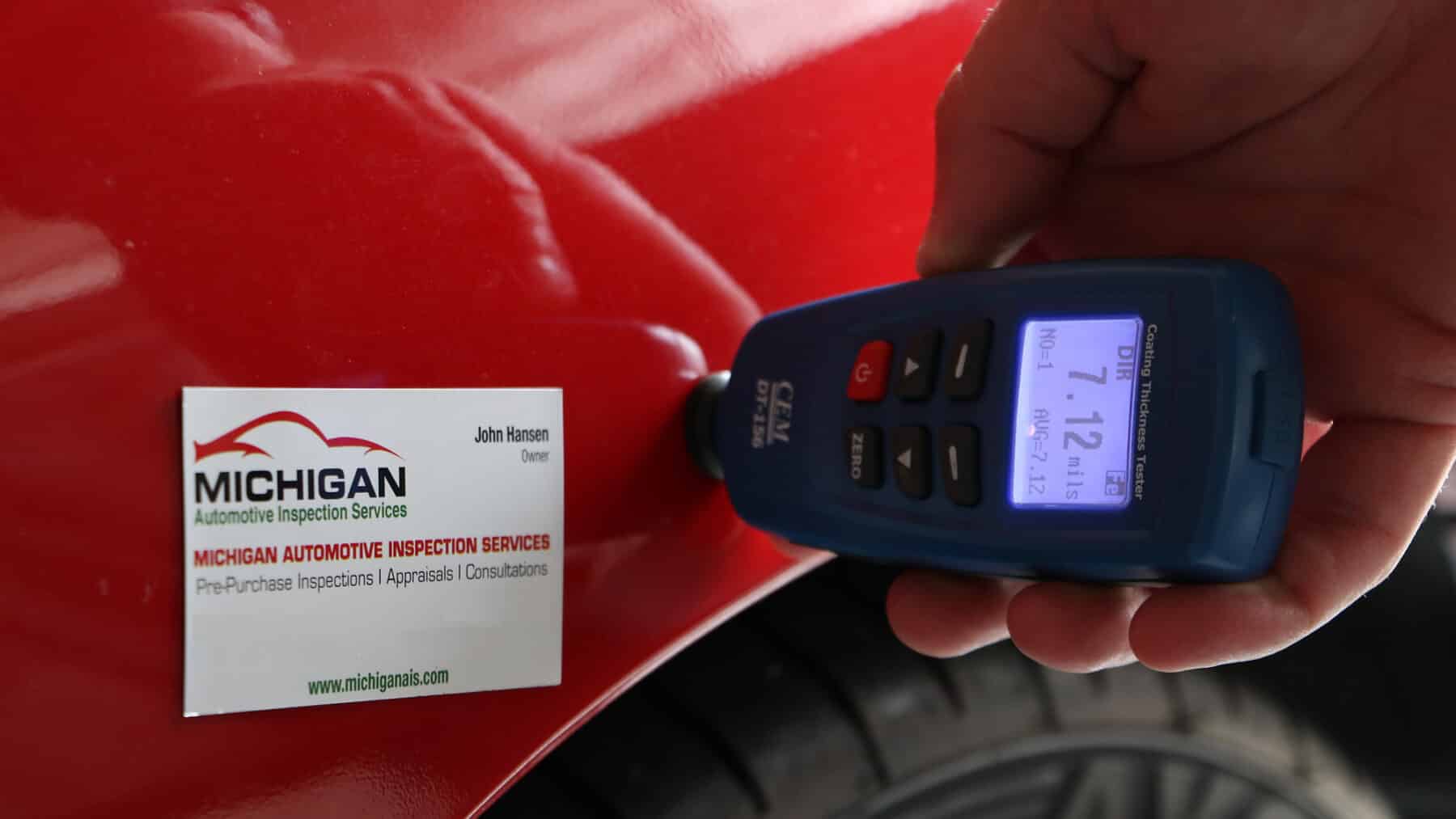
The fix most advocates land on is unglamorous: pair the report with an independent pre purchase inspection from a mechanic with no stake in the sale. A paint thickness gauge run across every panel can reveal a repaint in minutes no database would catch.
That same instinct is reshaping how buyers approach other opaque corners of the used market, including the recent wave of returned lease vehicles flooding dealer lots this year. Treat a clean history report as a reason to keep shopping, never as a reason to skip the inspection.
