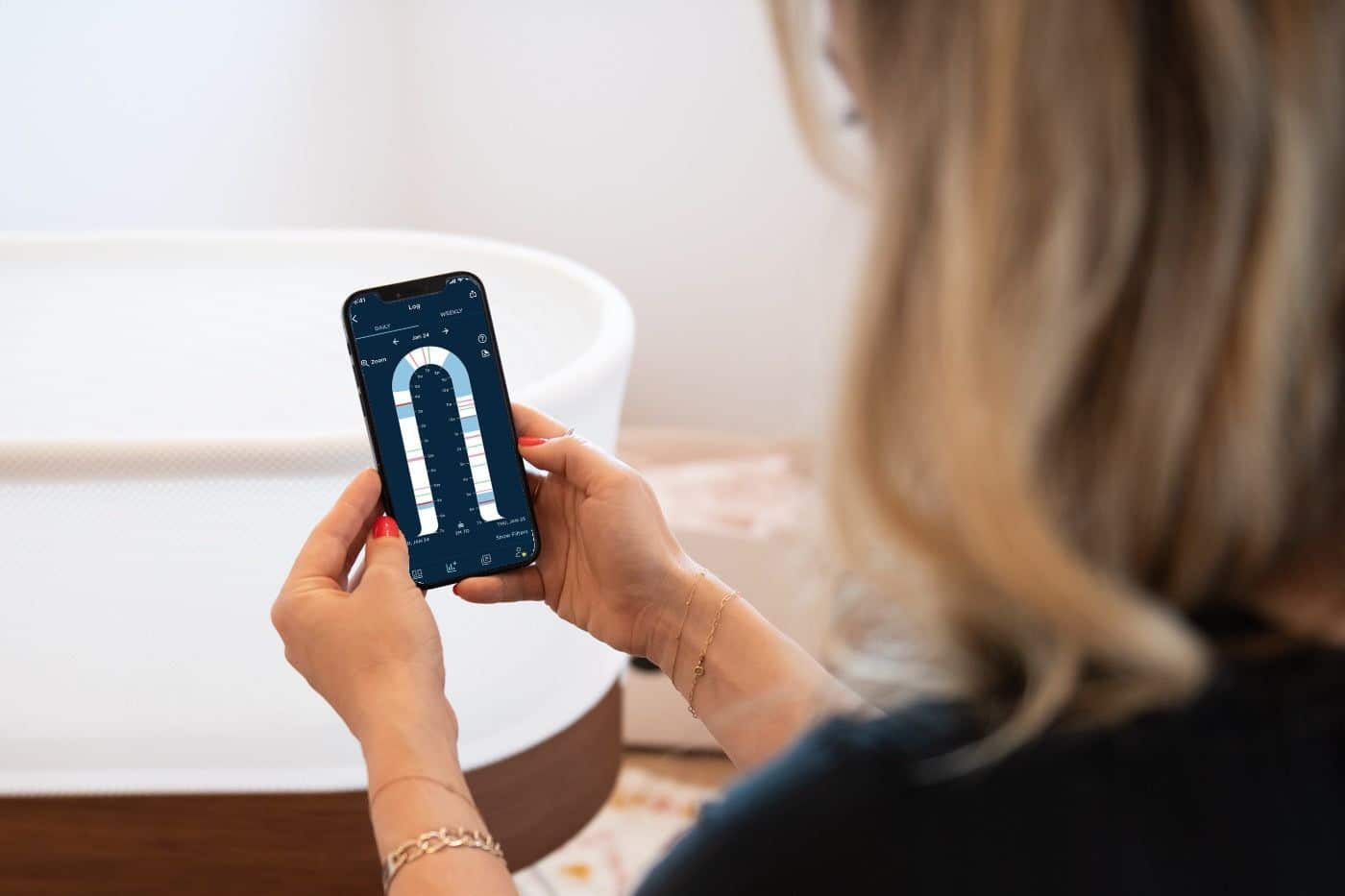
A nursery at 2 a.m. glows from two light sources, a phone screen and a bassinet that rocks itself.
The parent bought that bassinet new, for the price of a used car down payment.
Months later, a notification appears asking for a credit card.
The crib has not changed.
But the app controlling it just did.
How a sealed product suddenly needs a monthly password
The mechanism here is simple and increasingly common across connected baby gear. A bassinet, a monitor or a bottle warmer ships with a physical motor and sensors built in, but the actual behavior parents pay for lives in software the manufacturer controls remotely from a server.
That split matters because it means a company can change the deal after the sale closes. The hardware a parent already owns keeps functioning, but the premium features that made the product worth the price can be switched off and relisted as a subscription, with no new parts installed.
So when Happiest Baby, the maker of the Snoo Smart Sleeper, rolled out a new paid tier, nothing about the $1,695 bassinet moved physically. The company that sells the Snoo Sleeper launched a premium monthly subscription of $20 per month for parents to access certain features for the smart bassinet. The rocking motor still rocks. The paywall sits entirely in the app.
What the $20 a month actually buys, and what it does not
Inside a typical nursery, the Snoo looks almost old fashioned, a white oval bassinet with mesh sides and a stand. Its selling point was always that the motion and sound respond automatically to a crying baby without a parent touching a dial at midnight.
That core behavior still works without any payment. Those who borrow Snoo from a friend or family member or purchase Snoo secondhand can use the free app, which has everything needed for day-to-day use of Snoo like motion limiter, sound controls, and more, according to the company. Where the fee bites is in extras layered on later, and the list is short but pointed.
The $20 premium subscription includes extra features such as sleepytime sounds, which play only at bedtime before a baby is put in the bassinet, and car-ride mode, which simulates the sounds and motions of a car ride. For families used to flipping a switch and moving on, adding a card number to a crib app is a new kind of chore entirely.
The feature parents actually miss, and the receipts behind the backlash
The detail that turned a pricing tweak into a genuine controversy is weaning mode, the setting that gradually lowers the bassinet’s rocking intensity as a baby grows older so the move to a still, quiet crib feels less jarring. Anyone who has gotten their Snoo second-hand, and there is a healthy resale market for them, now needs to pay $20 per month to use premium features such as weaning mode, a sleep log, and locking it so it doesn’t escalate beyond a certain level.
Reporting from Fortune confirmed what the subscription replaced. In July 2024, Happiest Baby moved the Snoo’s weaning feature and other premium settings behind the Premium subscription tier, priced at $19.99 a month. Buyers who picked up a Snoo before July 15 were grandfathered into the previous structure, while anyone who bought after that was locked into the subscription model. Parents who bought the bassinet years earlier had never budgeted for a recurring bill tied to a crib.
The backlash followed a familiar script online, with critics comparing the move to other gadgets that quietly shift paid-for features behind new subscriptions after purchase.
Why the secondhand market makes this sting differently than other gadgets
Most subscription gripes involve a single buyer who bought new and feels burned. The Snoo complication runs deeper, because baby gear turns over fast by design, and a thriving resale and loan network had formed around exactly that churn long before this fee existed.
Infants outgrow bassinets in months, not years, which is why families have long passed Snoo units between siblings, friends, and secondhand buyers hoping to recoup part of the original cost. That resale pipeline is precisely what the new fee complicates.
The company appears to have anticipated lost revenue from used sales and built the subscription to capture some of it. Since Happiest Baby always promised all of its features would work perpetually, this came as a huge shock to both buyers of used Snoo bassinets, as well as to parents intending to sell their Snoo, who now see their resale value plummet.
A spokesperson told Fortune the bassinet still works fully without payment, saying “the bed has full functionality, safety features, and automatically responds to your baby’s needs without using Wi-Fi or the app at all.”
What families can do, and why the pattern reaches beyond one crib
None of this means smart bassinets are a bad category, and plenty of families report genuinely better sleep from the free, unpaid version of the Snoo. The honest takeaway is closer to the lesson that has already reshaped how people buy fitness wearables and espresso machines, much like the fine print behind a home espresso machine’s warranty: treat the sticker price as a starting number, not a final one.
For anyone shopping secondhand nursery gear, asking a seller whether the listing includes an active subscription, not just the hardware, is now a reasonable question, the same way a buyer might ask about a car’s remaining warranty.
The company does offer a workaround. Renting a Snoo for $159 a month gets all the subscription features , which signals how it would prefer new parents enter the ecosystem in the first place.
The wider pattern connects to habits families already track elsewhere, from grandparents now supplying hundreds of billions in support to young families, to the close daily contact 73 percent of parents keep up with grown children. Baby gear is simply the newest category learning that lesson, one bassinet, one app update, one surprised secondhand buyer at a time.
