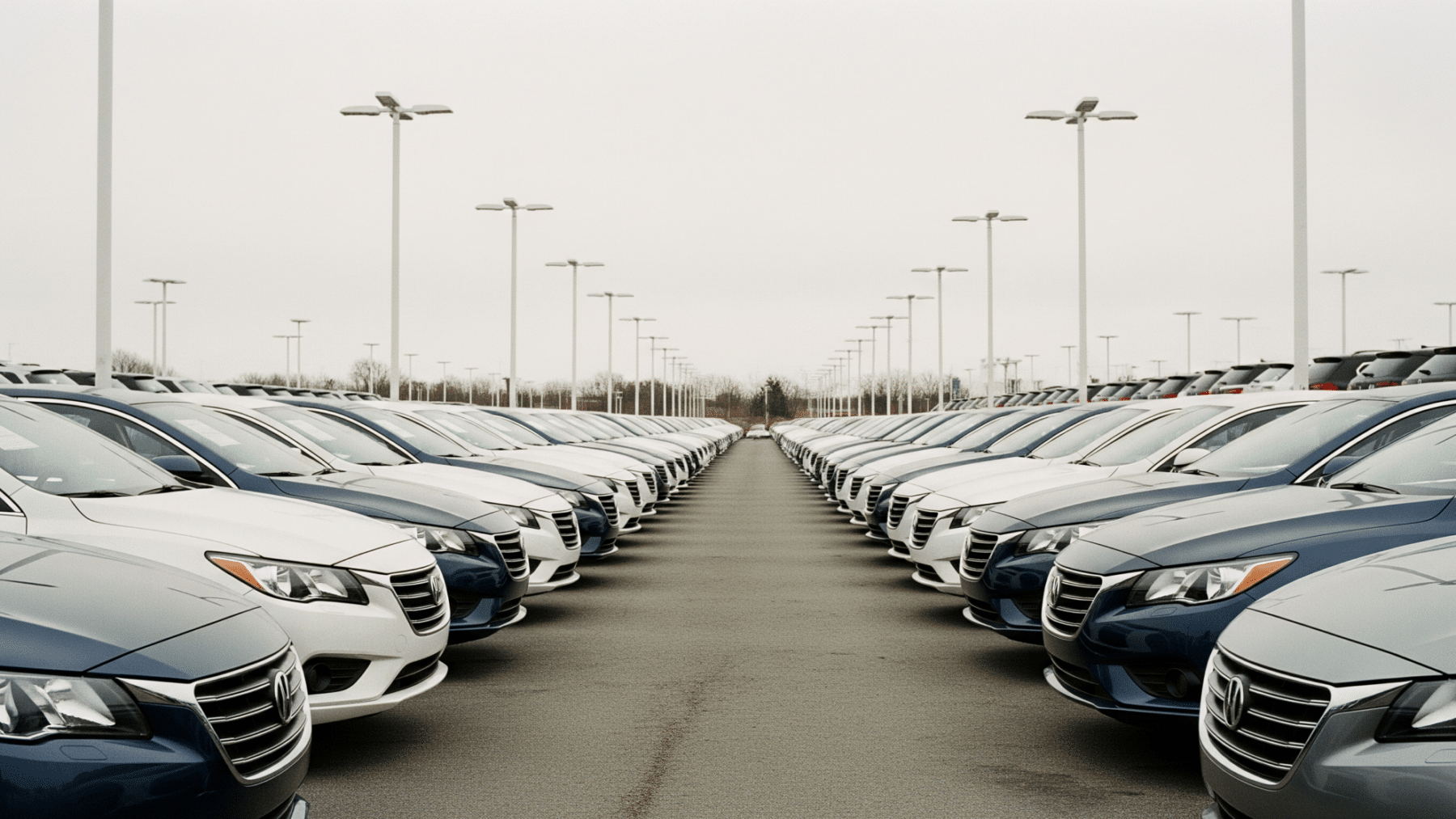
Automakers are pumping significantly more cash into new-vehicle discounts this month, but almost none of that money is flowing toward electric vehicles. According to a joint forecast released July 24 by JD Power and GlobalData, average U.S. incentive spending per vehicle is on pace to hit $3,451 in July 2026, an 8.1% increase from a year earlier.
ICE and hybrid discounts surge, EV deals shrink
Incentive spending on traditional ICE and hybrid vehicles is expected to increase $578 per unit year-over-year, up 22.2%, to $3,181 in July 2026. That figure reflects a market in which manufacturers are competing fiercely for buyers shopping conventional and hybrid powertrains.
Electric vehicles are moving in the opposite direction. EV incentives are forecast to fall $759 per unit, or 7.0%, to $10,092, contributing to a 3.3 percentage point decline in EV share of new vehicle sales compared to last year.
That drop follows the expiration of the federal $7,500 EV tax credit on September 30, 2025, which pulled demand forward and left a smaller pool of buyers in its wake. Those trends are tracking closely with July hybrid and EV market-share shifts reported separately this month.
Part of the year-over-year jump in overall incentive figures reflects tariff dynamics from last year, since several automakers made unseasonal pullbacks in incentive spending last July as they cut discounts to offset anticipated tariff costs.
Buyers paying modestly more despite higher sticker prices
Even as list prices have climbed, the combination of dealer and manufacturer discounting has kept actual transaction costs relatively contained. Total retail consumer expenditure is projected to rise to $51.8 billion, an increase of $1.2 billion from July 2025.
Subprime penetration remains elevated, with the mix rising 1.8 percentage points from July 2025 to 10.3%, a shift toward lower-credit buyers as affordability pressures persist.
July on pace for highest selling rate of 2026
JD Power projects total July sales will reach 1,415,800 units, up 1.4% year over year, with the seasonally adjusted annual rate hitting 16.9 million units, the highest pace recorded so far this year. New-vehicle retail sales for July 2026 are projected to reach 1,193,500, a 0.9% increase from July 2025.
Outside the U.S., the picture is dimmer. GlobalData analyst Kimberly Krafft, who covers Americas vehicle sales forecasts, noted that June global light-vehicle sales declined 0.9% year over year to 7.7 million units, driven largely by a sharp decline in China, with other markets showing comparatively resilient sales. The selling rate for June was estimated at 90.0 million units annualized, up only slightly from 89.3 million units in May.
Sustainability of current discount levels in question
Industry analysts worry that increasing discounts are not sustainable. Many automakers have chosen to sell at a discount while tariff policy remained turbulent, but as the United States moves toward longer-term trade arrangements locking in elevated tariff rates, manufacturers may be forced to pass costs on to shoppers.
Toyota may be among the hardest hit. The negative impact of U.S. tariffs on Toyota’s consolidated operating income for FY2026 was 1,380.0 billion yen. Using Toyota’s stated exchange rate of ¥156 to the dollar, that equates to approximately $8.8 billion for the fiscal year ending March 2026.
Those pressures have already weighed on domestic manufacturers: Ford’s sales and margins both came under significant pressure in the most recent quarter. For now, the July data suggests manufacturers are still prioritizing volume over margin, but the math grows harder with each passing month.
