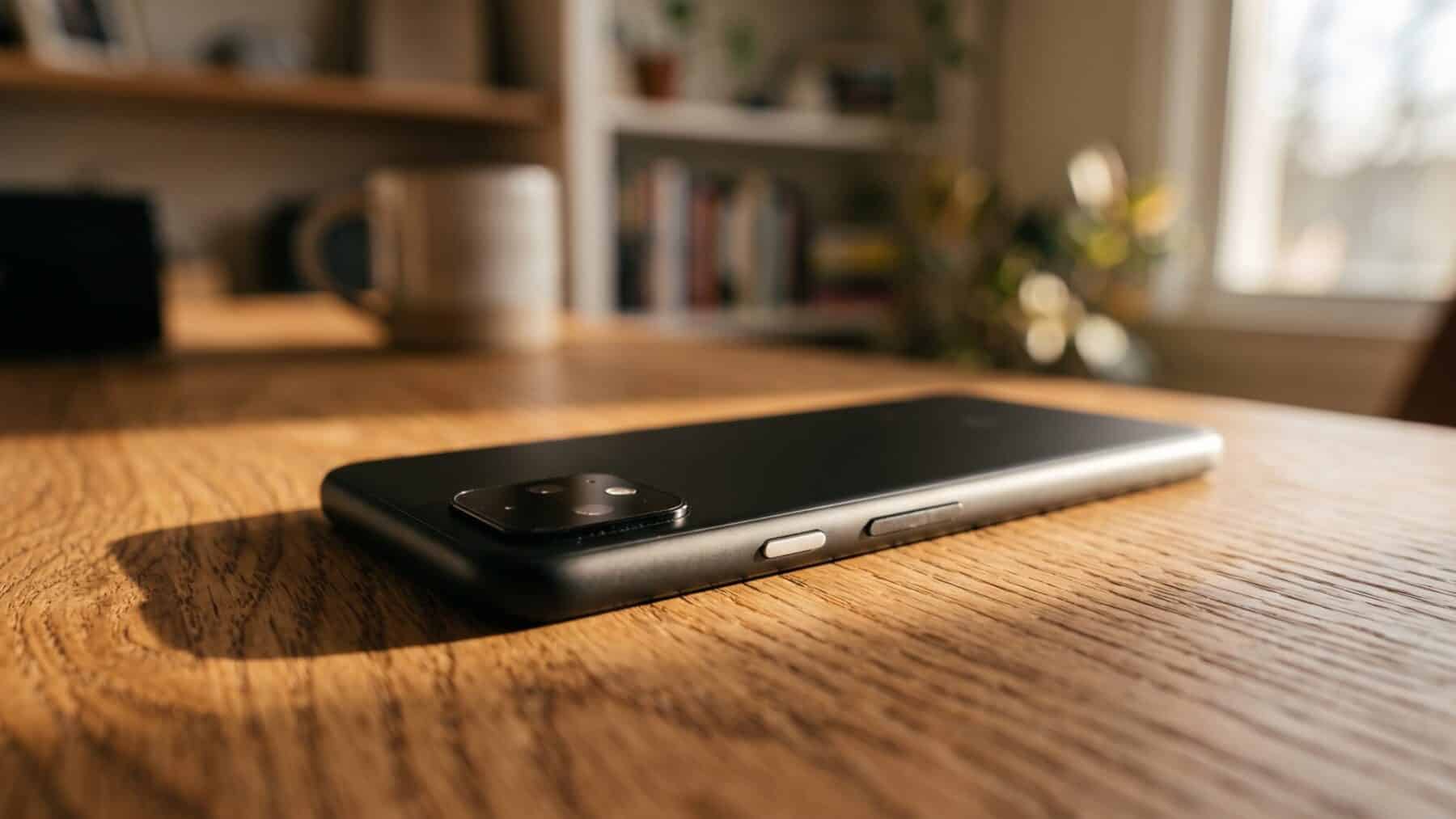
Google unveiled the Pixel 11 series at its Made by Google event on August 12 in New York, leading with the Tensor G6, a chip built on TSMC’s 3nm process, and raising the entry price across the lineup by roughly $100 compared with the prior generation’s 128GB starting configurations, according to Google’s official announcement.
Tensor G6: 3nm, not the rumored 2nm
The headline upgrade is the Tensor G6, which was widely believed ahead of launch to be a 2nm chip. That turned out not to be the case: Google’s VP of Hardware, Peng Yu-chun, confirmed to CNA at the Pixel launch event in Taiwan that the Tensor G6 is built on TSMC’s N3P process, a refined 3nm node.
Samsung’s Exynos 2600, the chip inside the Galaxy S26 in Europe, is the world’s first 2nm mobile processor. Apple is expected to move its next chip for the iPhone 18 Pro to TSMC’s 2nm node later this year. The Tensor G5 in the Pixel 10 series also used TSMC’s 3nm process, meaning the G6 remains on the same node generation.
That said, the 3nm Tensor G6 is not without its upgrades. Google says the chip “delivers 50% more TPU compute and an upgraded CPU compute delivers up to 30% better power efficiency” compared to the Tensor G5.
Google also touts an upgraded CPU with “25% faster web browsing, 15% quicker app launches,” support for a new Gemini Nano on-device AI model, and an upgraded Image Signal Processor powering faster Night Sight and further digital zoom.
Google is dropping the Samsung modem for MediaTek’s M90 5G modem , which is expected to address heating and battery drain issues that have dogged recent Pixel series phones.
The Tensor G6 also introduces the Titan M3 security architecture and brings post-quantum cryptography to secure boot.
Camera, display and HiLight ring, on Pro models
The base Pixel 11’s triple camera system leads with a 48MP main sensor with an f/1.7 aperture and optical image stabilization, a 13MP ultrawide lens with a 120-degree field of view, and a 10.8MP telephoto with 5x optical zoom. The phone supports Super Res Zoom up to 30x.
A new HiLight feature, an RGB LED array around the rear camera bar, is available on the Pro variants of the Pixel 11 series and is used to inform users about notifications and other important activities when the phone is placed face-down.
The Pixel 11 series adds Qi2.2 wireless charging. The base Pixel 11’s display tops out at 3,000 nits peak brightness. The Pixel 11 Pro XL features a Super Actua OLED LTPO display with a peak brightness of 3,600 nits.
On the software side, Google is pushing new AI tools including Magic Capture , which lets users record video while dynamically capturing high-resolution stills of key moments. Gemini integration is deepened across the lineup, letting the assistant work directly within third-party apps, extending features introduced earlier this year through Gemini.
Pricing and what changed at every tier
The Pixel 11 starts at $899, the Pixel 11 Pro starts at $1,099, and the Pixel 11 Pro XL starts at $1,299, the Pro XL carrying a $100 price increase over its predecessor. The Pixel 11 Pro Fold starts at $1,899. The Pixel 11 and Pixel 11 Pro now start with 256GB storage, so their starting prices are higher this year because the cheaper 128GB models are no longer offered. Google noted during a media briefing that their prices are therefore in line with the 256GB Pixel 10 and Pixel 10 Pro, respectively.
The Pixel 11’s $899 starting price is $100 above the Pixel 10’s launch price , though the comparison is not like-for-like given the storage increase.
At $1,899, the Pixel 11 Pro Fold sits in competitive territory against Samsung’s Galaxy Z Fold 7, which costs $1,799, with Google’s advantage centered on tighter Gemini AI integration on the foldable’s inner display.
The base Pixel 11 ships with 12GB of RAM. Pro models come with up to 16GB of RAM. The chip’s security architecture also extends to payments, building on the broader trend in which hardware-level security has become a key smartphone differentiator.
Availability and competitive context
Pre-orders opened August 12. Google says all four Pixel 11 models will be available starting August 20.
Back in late April 2026, leakers disclosed that Google’s Tensor G6 chip would sport a PowerVR GPU. For everyday tasks and AI workloads the chip excels, but for graphics-heavy gaming it is less competitive than Snapdragon and Dimensity rivals.
Apple’s new CEO, John Ternus, is expected to reveal the iPhone 18 Pro and the first foldable iPhone in September. Apple is expected to move its next chip to TSMC’s 2nm node , which would make the iPhone 18 Pro the first Apple smartphone to ship with a 2nm chip.
Google’s move to ship an updated Tensor chip before that release is a deliberate attempt to claim a performance headline before the fall’s largest consumer electronics cycle begins. The global chip market, which surpassed $403 billion in Q2 2026, will be watching closely to see whether Google’s Tensor G6 design sets a benchmark rivals scramble to match.
