Oklahoma Gas and Electric has asked state regulators to approve a $395 million rate increase, a request that would raise the average residential customer’s monthly bill by $23.88.
The filing, submitted to the Oklahoma Corporation Commission on September 30, is the utility’s first general rate case since December 2023.
Kimber Shoop, OG&E’s Director of Regulatory Affairs, testified that the average residential customer will see an increase in their bills of $23.88 per month when compared to current rates, representing about a 17.5 percent increase in the monthly bill.
The company frames the request around infrastructure work rather than new demand from large commercial users.
What is driving the request
The rate review requests approval for reliability work and system upgrades made since March 2024, addressing rising costs, meeting new federal reliability requirements, and keeping up with Oklahoma’s growing population.
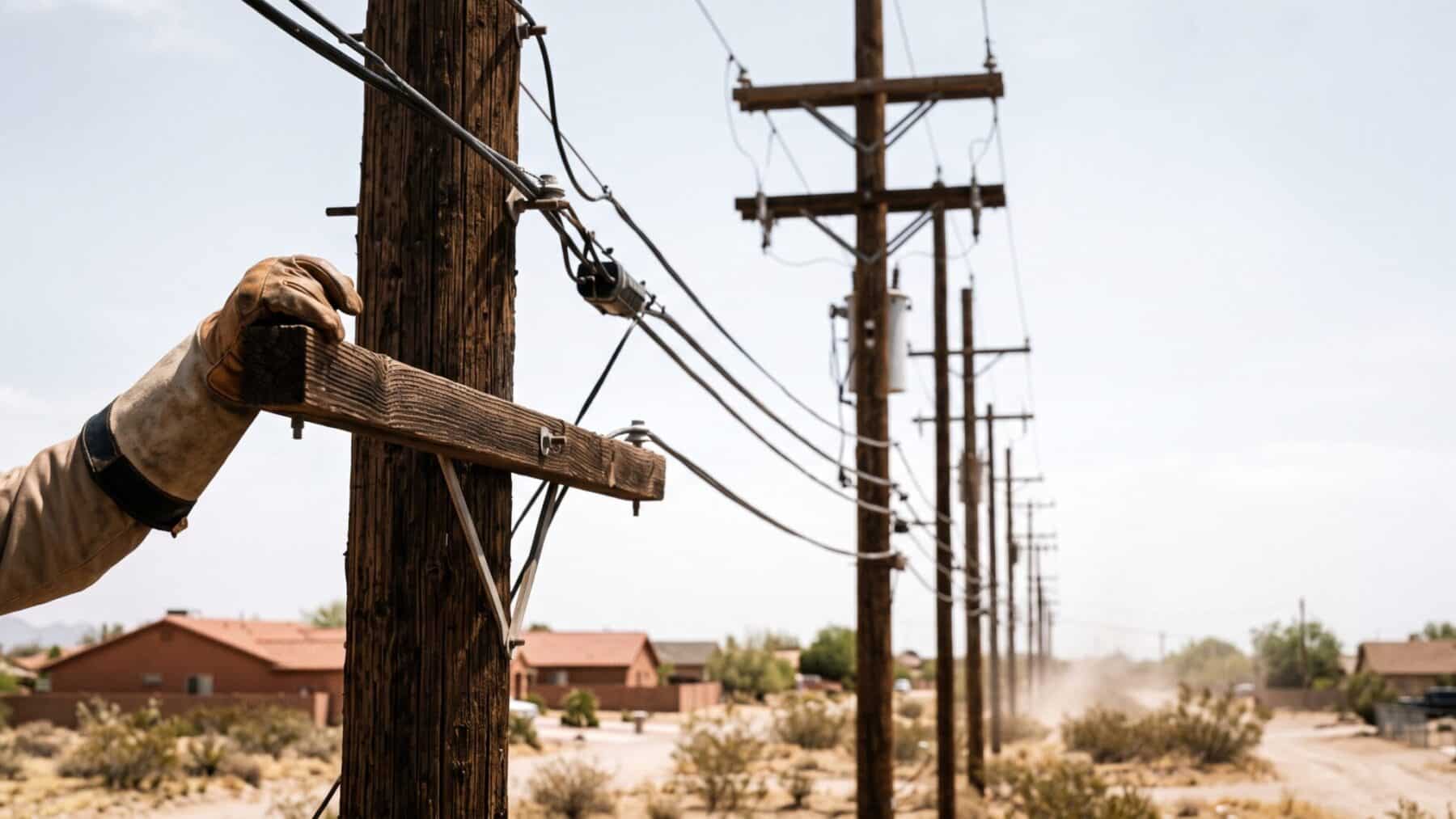
According to the application, upgrades include replacing two 60-year-old generators at Horseshoe Lake, two 55-year-old units at Tinker Power Plant and work on more than 121,000 utility poles.
Other costs include new-business construction and major technology replacements across the company’s billing, meter, finance, accounting and customer-management systems.
The company also noted an efficiency win on one of its generation projects. The new generating units at Horseshoe Lake were completed early and $12 million under budget.
Bringing the units on-line early allowed OG&E to avoid between $9 and $16 million in 2026-2027 winter capacity purchases.
OG&E has been explicit that the request is not tied to the data center load growth that has driven rate filings elsewhere in the country, a pattern GCN has documented in Arizona.
A press release stated this does not include electricity use from data centers, and a company spokesperson reinforced that point directly to local media, saying “There is nothing in this rate review that addresses increased electricity from data centers at all.”
How the filing compares with the utility’s last case
OG&E’s current ask is larger than what it sought two years ago and larger than what it ultimately received.
In its previous rate case, filed in 2024, OG&E initially sought a $332.54 million increase before the OCC ultimately approved $126.66 million in March 2025.
That history suggests the commission could again trim the company’s request substantially before any new rates take effect.
The utility’s own filing language leans on the standard regulatory test for a rate increase. The application stated that the applicant is not earning sufficient operating income to produce a fair and reasonable return on capital.
It must have increased rates and consequent additional revenues to continue providing adequate and reliable electric service and earn a fair, just and reasonable rate of return on its investment.
Customer programs included in the proposal
Beyond the base rate increase, OG&E has bundled in changes aimed at lower-income and older customers.
Additional customer programs were proposed in the request, including expanding OG&E’s Low Income Assistance Program to more income-qualified customers and its senior discount to all customers 65 and older, instead of only SmartHours customers.
The filing also proposes a pilot program related to bill forgiveness, according to the original filing details reported by local outlets.
What happens next
No bills will change immediately. The OCC will investigate the requested $395 million and determine how much, if any, of the increase should be collected from customers.
That process generally takes several months, with testimony and cross-examination occurring before commissioners make the final decision.
The case adds Oklahoma to a growing list of states where utilities are filing large rate requests this year to fund grid reliability and generation upgrades, a trend GCN has tracked as national filings reach record levels.
For OG&E customers, the outcome will depend on how commissioners weigh the company’s infrastructure spending against the size of the bill increase it is asking households to absorb.
