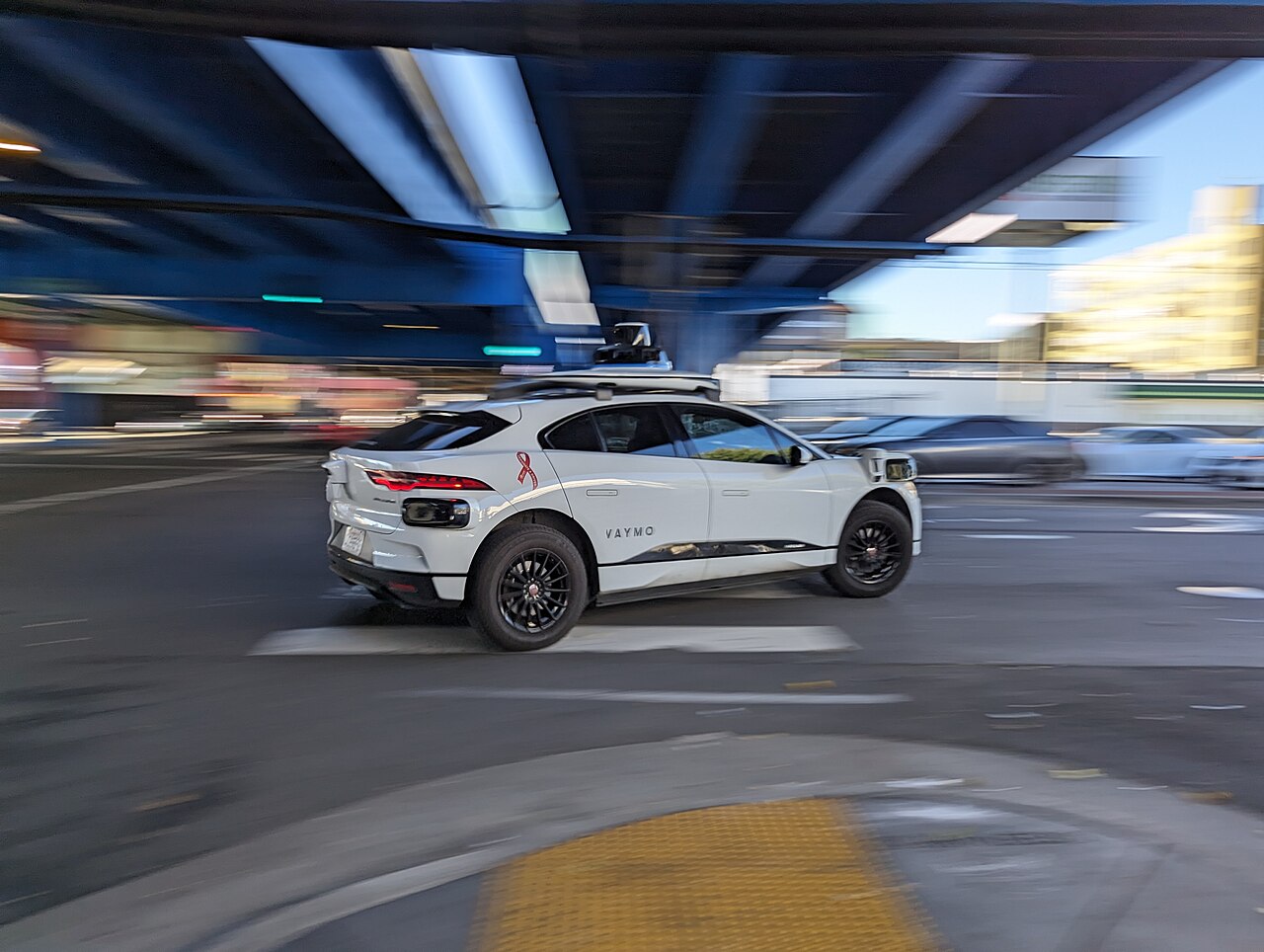
Waymo said it is adding nearly 250 square miles of driverless robotaxi coverage across five US cities this week, expanding service areas in Los Angeles, Nashville, Orlando, San Diego and the San Francisco Bay Area without opening any new markets.
The company detailed the rollout in an October 27 post on its official blog, Waypoint.
What is changing in each city
Over the next week, we’re scaling in five cities and adding nearly 250 square miles of territory across Los Angeles, Nashville, Orlando, San Diego and the San Francisco Bay Area , Waymo said.
In Los Angeles, service now runs down the coast into the South Bay, through Manhattan Beach and Redondo Beach to Torrance.
Nashville riders gain new reach to the south, including trips to the zoo.
In Orlando, Waymo said it is nearly doubling its coverage area in the eastern part of the city, including enhanced service downtown. Waymo announced Tuesday, October 27, that it’s adding 53 square miles to its Orlando service area, bringing its total coverage to 120 square miles and nearly doubling where its robot taxis can operate.
San Diego’s service area now stretches north to La Jolla, taking in University City and Clairemont along the way.
In the Bay Area, Waymo is pushing further into the South Bay, including a connection to BART at Berryessa station in San Jose.
Newer markets scale up fast
Several of the five cities are recent additions to Waymo’s driverless map, and the pace of follow-up expansion has been quick.
Waymo opened Nashville to public riders in April with a service area of about 60 square miles covering downtown, Midtown, Music Row and East Nashville.
The company opened public service in San Antonio, San Diego, and Tampa on October 14. Riders can confirm whether an address now falls inside a zone by checking the Waymo app or the company’s updated service-area maps.
Scale versus rivals
The expansion arrives as Waymo and Tesla publicize competing usage figures for their driverless fleets.
Waymo averaged 3.90 million rider-only miles per week in Q2 2026, while Tesla did 558,000 miles in its best week. In the week ending October 18, Tesla reported 438,000 miles with no safety monitor aboard in Austin, up 30% from the week before.
The nearly 250 square miles Waymo added this week is about as big as Tesla’s entire Houston Robotaxi geofence after this week’s expansion, and Waymo is adding it in cities where it already runs with nobody in the driver’s seat.
Waymo has also touted its safety record this fall. A September safety report found an 82% reduction in injury crashes compared with human drivers over more than 270 million rider-only miles , with Waymo’s safety dashboard currently recording 271.3 million rider-only miles across five U.S. markets: Los Angeles, the San Francisco Bay Area, Phoenix, Austin and Atlanta, a separate set of cities from this week’s service-area expansion.
That kind of mileage data matters for regulators and consumers alike as the broader driver-assist and autonomy sector draws closer scrutiny, a dynamic also visible in federal oversight tied to growing EV and robotaxi fleets, including public fast chargers expanding nationwide.
Why the expansion matters
Unlike a splashy new-city launch, this week’s move widens existing zones so current customers can take more of their trips end to end without switching to a conventional ride-hailing app or driving themselves.
Transit-adjacent additions, such as the new BART connection in the Bay Area, signal Waymo’s effort to position robotaxis as a link in daily commutes rather than a novelty.
The rollout also lands amid broader scrutiny of driver-assist and automated systems across the industry, a backdrop that has shaped coverage of used-vehicle wholesale prices and supply shifts tied to the broader vehicle market this fall.
