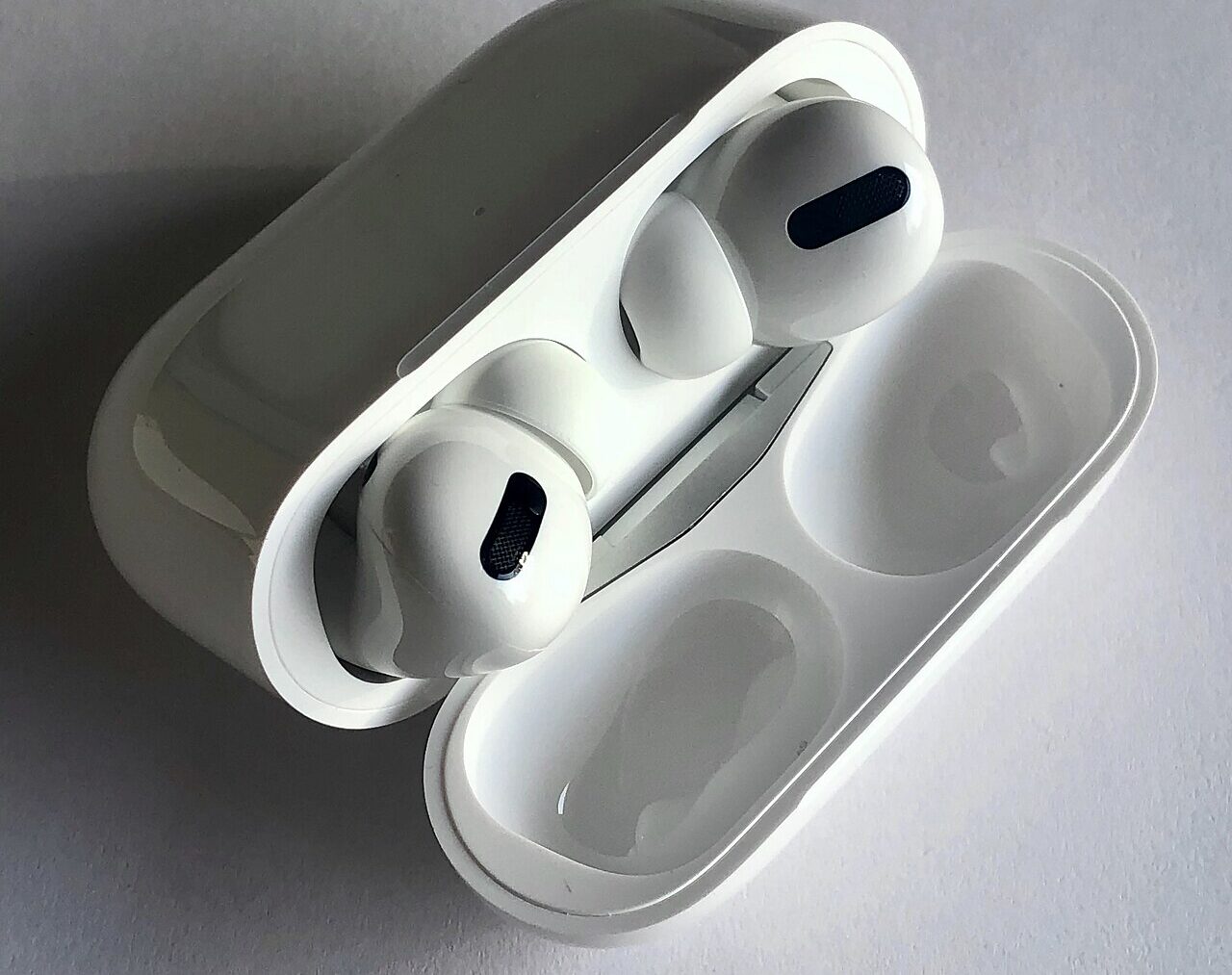
A charging case clicks open on a kitchen counter, and only one earbud sits inside the foam.
The other slot is empty, the way it has been for three days now.
Somewhere between a gym bag and a car seat, a tiny white shape rolled away and vanished.
Searching the couch cushions turns up coins, a receipt, and nothing shaped like an earbud.
So the only question left is what it actually costs to make that case whole again.
Why one tiny earbud carries such a steep price tag
The company does not sell loose earbuds as a retail accessory the way it sells cables or cases in bulk. Each earbud has to be individually paired and serviced through the same support channel used for full repairs, which means the fee covers labor and inventory handling, not just a cheap speaker and a battery. A replacement earbud must be tied to a serial number already on an existing account, so buyers cannot simply order a spare off a shelf.
That single part effectively gets priced like an appliance of its own.
The answer to what that appliance-style pricing actually costs sits on the manufacturer’s own support page, and it is not a typo. Out of warranty, the price is $89 per earbud, and it costs the same to have the wireless charging case repaired or replaced. For comparison, it costs $69 to replace or repair a standard AirPod. The AirPods repair and service page spells out the exact fee structure, including a jump to $99 for a damaged or faulty AirPods Pro charging case on top of the earbud itself.
Inside the actual math of a half empty case
Picture the receipt one shopper might face after a damaged earbud and case both needed replacing: the total lands near $199 once tax is added to the case fee and the earbud fee together. That is just shy of what a brand new pair would cost at retail.
Which is exactly why so many owners stop at the math and start comparing. A new pair of AirPods Pro earbuds will set you back around $200 , so an $89 charge for one piece can feel reasonable right up until a second piece needs replacing too.
Meanwhile, a growing resale market has built itself almost entirely around this gap. Pricing tracked by trade-in marketplace Swappa shows a verified used full set on Swappa often costs only $30, $60 more than a single replacement and includes a spare earbud, fresh case, and buyer protections . That pattern mirrors what’s happening elsewhere in consumer electronics, where a single hardware number can quietly reshape resale value.
Where this pricing pattern actually comes from
None of this is new behavior, even if the dollar figure still surprises people who encounter it for the first time. The $69 single earbud fee for standard AirPods has existed since the original AirPods launched, when Apple detailed in an update on its iPhone Service Pricing page that it was going to be charging $69 for a single lost (or broken) AirPod or charging case .
That pricing survived essentially unchanged through multiple AirPods generations, with only the Pro line carrying a higher $89 rate once extra hardware arrived behind noise cancellation. A battery-only service option exists too, typically priced lower than a full earbud swap.
An extended coverage plan tells a very different story for damaged earbuds specifically. With AppleCare+ for Headphones active, a damaged or defective AirPods Pro earbud replacement drops to just $29, which is the detail that turns an $89 surprise into a budgeted expense for anyone who paid for coverage upfront. The support documentation lists that discounted rate directly next to the standard fee, a gap similarly exploited in subscription hardware like one fitness band’s pricing model.
Where the comparison breaks down
Even so, that coverage plan has a carve-out that catches people off guard. The $69 to $89 flat fee applies whether an earbud is damaged, defective, or simply lost; Apple charges the same amount for a missing earbud as for a broken one. What changes is whether AppleCare+ helps at all. Apple does not replace lost AirPods, or a charging case, no matter whether a customer has purchased AppleCare+; for a lost earbud, Apple still asks for the same flat fee charged to anyone without coverage.
In practice, that means owners who paid for AppleCare+ get no discount at all once an earbud is gone rather than broken, since AppleCare+ doesn’t cover AirPods that are either lost or stolen, so AirPods owners enrolled in the plan won’t benefit any more than those who haven’t opted for the extended coverage . That gap is the single biggest asterisk in the entire pricing structure, and it explains why so many owners discover the distinction only after they are already mid-claim.
Other wireless earbud makers have followed a similar playbook, charging roughly comparable sums for single replacement earbuds, though exact pricing varies by model, color and whether the part is new or refurbished.
Third-party repair shops, meanwhile, often undercut the official fee by using refurbished original parts instead of new stock, which is how the secondary market around tiny earbuds has grown large enough to matter.
What the fee really says about small gadgets
None of this makes the fee feel smaller in the moment, but it does explain it. A part barely bigger than a coin carries a repair cost close to half the price of the whole product, simply because the maker chose to sell it as a serviced component rather than a stocked accessory.
That decision has created an entire secondary economy of refurbished single earbuds, matched pairs, and discount resellers competing directly with the official storefront.
For consumers, the lesson is less about any one brand and more about reading the fine print, including the fact that AppleCare+ offers no discount once an earbud is lost rather than damaged, before extended coverage ever gets purchased.
So the next time a single white shape disappears into a couch cushion, the real decision is not whether to replace it, but whether $89 buys one earbud or almost buys a second pair entirely.
