Millions of households in eastern and central Pennsylvania opened their July bills and found a number that had not moved in a decade.
The wire delivering power to their homes now costs more.
State regulators signed off on the change in June.
Tucked into the same order, almost invisibly, sits a new tariff class that Pennsylvania has not seen in a distribution rate case before.
It targets data centers. And it makes them pay their own way. But who exactly picks up the rest of the tab?
How a decade of deferred investment finally landed on the monthly bill
Distribution charges cover everything between the power plant and the wall socket: the poles, the underground cables, the neighborhood transformers, and the smart-grid switches that reroute power after a storm. Keeping those assets running costs money every year whether rates move or not.
When a regulated utility spends on infrastructure without a corresponding rate increase, it accumulates a gap between what it earns and what it costs to serve customers. This marks PPL’s first base rate increase since 2016 , a full decade without a distribution rate adjustment. PPL Electric provides electric distribution service to approximately 1.5 million customers across eastern and central Pennsylvania. That gap had been building across the Lehigh Valley, Lancaster, Harrisburg, and the Scranton-Wilkes-Barre corridor.
As part of the decision, PPL Electric will not increase distribution base rates for at least two years following implementation. The article describes this as a base rate freeze through mid-2028. That stability is the trade the utility made to get regulators to approve the hike.
What $275 million looks like when it hits 1.5 million front doors
PPL Electric provides electric distribution service to approximately 1.5 million customers across eastern and central Pennsylvania. The settlement raises average residential bills by 4.9%, to about $184 a month, about 23% less than the $356.3 million the utility originally sought.
For a residential customer using 918 kilowatt-hours per month, PPL Electric’s original proposal would have increased the total monthly bill from $177.01 to $189.40, roughly 7 percent; under the approved settlement, the same bill rises to approximately $184.49. For a residential customer using 1,000 kilowatt-hours per month, the approved settlement produces a $6.48 monthly increase. The gap between those two outcomes represents months of negotiation among the utility, consumer advocates, environmental groups, and business customers.
Meanwhile, the distribution charge is only one layer. Market indicators suggest upward pressure on generation costs driven by rising capacity prices within the PJM Interconnection, the regional grid that serves Pennsylvania and 12 other states. Households watching only the headline rate number may miss the quieter pressure building on the generation side of the ledger.
The evidence regulators weighed: a $356 million ask trimmed to $275 million
PPL Electric’s original rate request sought an annual revenue increase of approximately $356.3 million. Under the settlement approved, the company’s annual revenue increase is reduced to approximately $275 million, about 23 percent less than the utility originally sought. The rate case was filed in autumn 2025, and by March 2026 the parties had reached a settlement.
The Commissioners voted 5-0, noting the partial dissents of Vice Chair Kim Barrow, Commissioner John F. Coleman and Commissioner Ralph Yanora, a lopsided outcome that signals how thoroughly the settlement had been negotiated before it reached the final vote.
The approved settlement authorizes an increase of $275 million in annual base distribution revenues and reflects broad, collaborative agreement among customer advocates, environmental and business interests and other stakeholders. The PUC found the settlement to be in the public interest following a comprehensive review with a minor modification related to net metering eligibility. The Commission adopted 3-2 a motion modifying the settlement’s treatment of agricultural customer-generators, making a narrow modification to clarify that agricultural biogas customer-generators are not swept into a classification designed for large, “no-load” net-metering facilities. Primary documentation is on file at the Pennsylvania Public Utility Commission. The commission noted broad collaborative agreement among customer advocates, environmental and business interests, a framing that signals how much was traded away before a single commissioner cast a vote.
The complication: a first-of-its-kind data center tariff and where it falls short
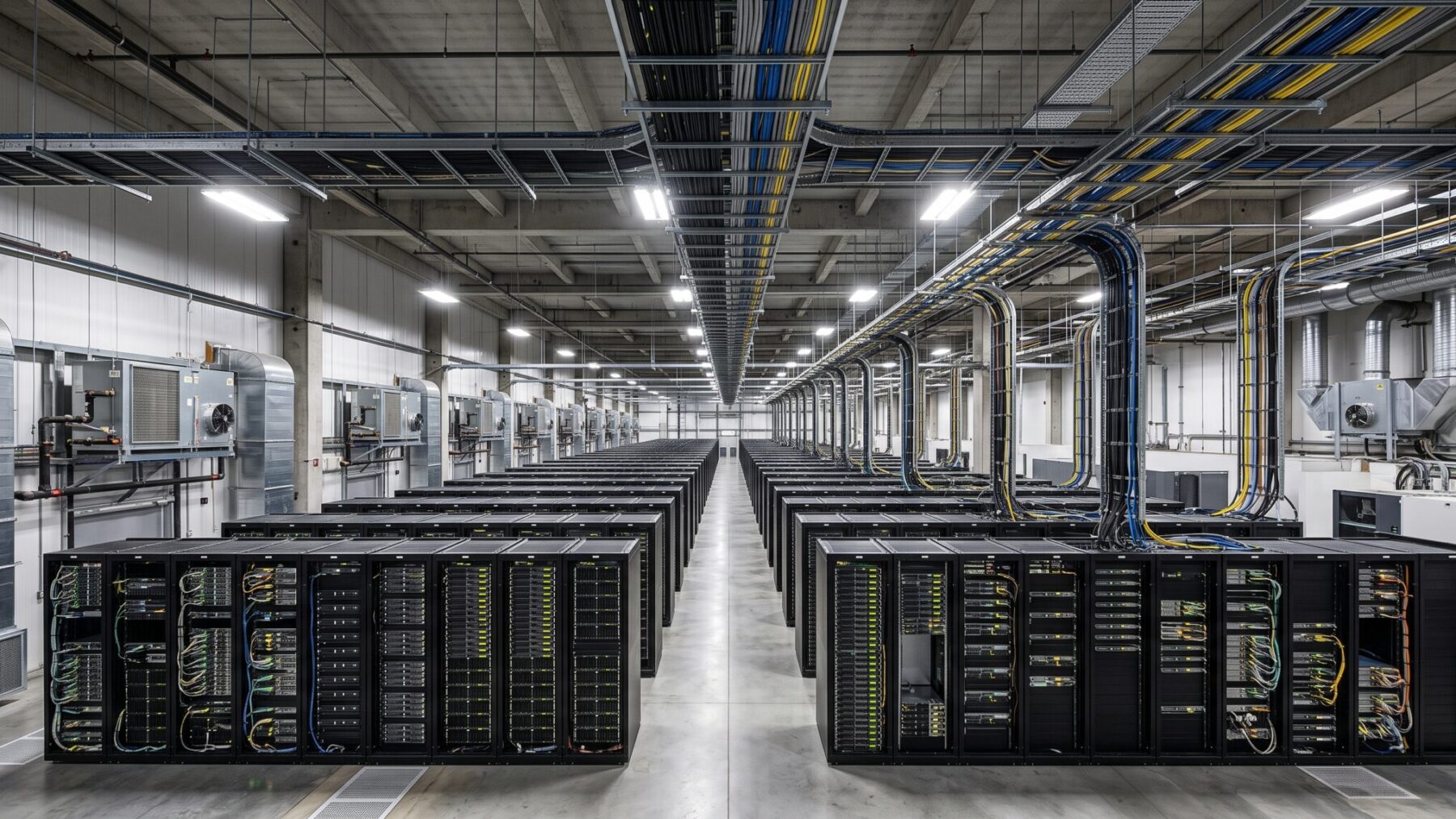
The rate increase is the headline, but the new data center tariff is the structural story. The large load tariff applies to customers with a peak electric demand of 50 MW or greater at a single facility or 75 MW or greater in the aggregate among facilities taking service at or above 69 kV within a 10-mile radius. A hyperscale AI facility can easily clear that threshold; a small commercial building never will.
Large-load customers such as data centers face new tariff requirements, including long-term service commitments of at least 10 years and minimum usage guarantees tied to their grid demand. The provisions are intended to align infrastructure costs more closely with the customers driving the need for expansion. Those customers must also pay for infrastructure upgrades that would otherwise be spread across the customer base. The theory is sound: if a data center causes a substation upgrade, it should pay for that substation, not a retired schoolteacher in Allentown. The settlement also establishes a mechanism beginning in 2027 that will direct $11 million annually in low-income assistance funding to come from large-load customers through a non-bypassable charge.
The complication is enforcement. The tariff covers new entrants only, and facilities already drawing power before the settlement carry no obligation to renegotiate. That gap is one reason discussions about managed grid demand keep returning to the same regulatory table, and advocates will likely target it in the next rate case.
What this settlement signals for every utility state facing the same pressure
Pennsylvania is not an isolated case. State commissions across the country have approved or are considering large load tariffs, which define the pricing and other terms unique to large load customers and include protections to ensure large load customers cover their full cost of service. As of July 2026, 24 states have approved at least one large load tariff, and another 6 states have pending large load tariffs.
The Pennsylvania outcome, with its negotiated reduction and its novel data center clause, gives regulators elsewhere a template to reach for when the next hyperscale application lands on their desks. A rate case moves slowly, requiring detailed financial justification and months of public review. The data center rules in this deal are a first pass, not the last word; the parties agree the new tariff does not resolve every concern, and that bigger questions are still being worked out in a separate, statewide proceeding.
Rising demand from AI infrastructure, combined with aging distribution hardware and years of deferred rate adjustments, is the equation now playing out in commissions across the country. For the roughly 1.5 million households now paying more each month, the answer to who hands over the bill arrived on July 1.
