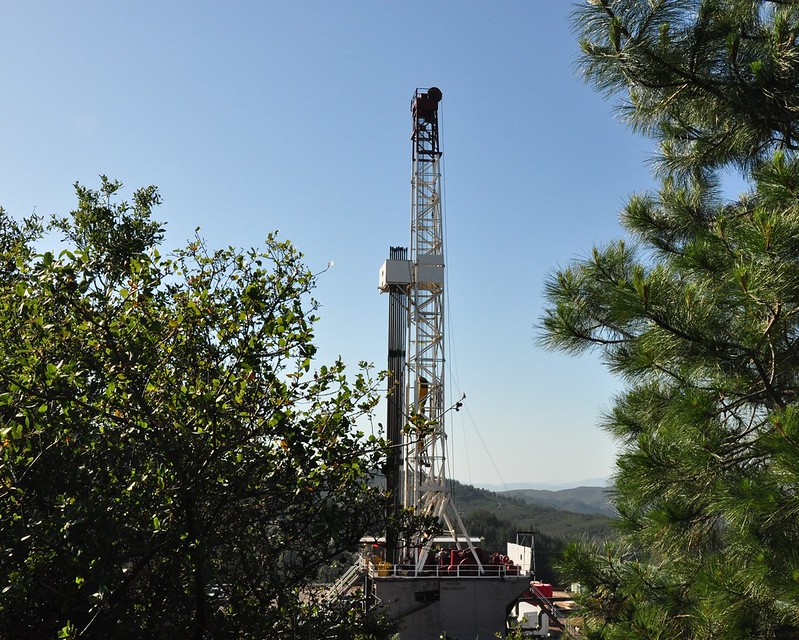
Fulcrum Point Holdings, a Hi Tech Solutions affiliate, announced a memorandum of understanding with Rodatherm Energy Corporation to explore the development of next-generation geothermal energy projects in Utah. The companies plan to build a 10-megawatt geothermal facility near Brigham City, with a long-term goal of expanding to 200 megawatts.
How the closed-loop system works
The project uses a closed-loop system that circulates an organic refrigerant through wells extending 9,000 feet underground and produces electricity without carbon emissions. That design distinguishes it from conventional geothermal plants, which typically require naturally occurring hydrothermal reservoirs of steam or hot water.
Rodatherm’s technology keeps the working fluid inside a sealed circuit that never contacts the surrounding geology, allowing it to theoretically operate in rock formations that would be off-limits to open-loop enhanced geothermal systems. The company’s approach centers on its patented Waterless Geothermal Systems™ technology.
Because the working fluid stays inside a sealed circuit and never contacts the surrounding geology, the technology can theoretically operate in rock formations that would be off-limits to open-loop enhanced geothermal systems.
Economic case and local energy independence
Company leaders say the project could give communities more local energy options and support economic development, including future industrial and manufacturing projects. That pitch aligns with a growing interest among rural western communities in securing firm, around-the-clock power that does not depend on weather or fuel supply chains.
The Brigham City site sits in Box Elder County, a region of northern Utah where agricultural and light manufacturing activity creates steady baseload demand.
A 10 MW initial plant would be modest by utility standards, but the stated 200 MW expansion target would put it in a different tier entirely if the geology and financing hold.
The MOU stage means the project still faces permitting, financing, and drilling-results hurdles before construction begins. The companies intend to begin with the commercial deployment of an initial 10-megawatt development in the Brigham City area, with construction currently targeted to begin in late first quarter 2027. The announcement was made on July 23, 2026.
Fitting into the national geothermal push
The Brigham City deal arrives as federal support for geothermal is expanding significantly. The U.S. Department of Energy’s Office of Geothermal has announced a funding opportunity of up to $171.5 million to support next-generation geothermal field tests for electricity generation as well as characterization and confirmation drilling for next-generation and hydrothermal resources.
Although the United States leads the world in geothermal electricity capacity with about four gigawatts, DOE analysis shows the potential for at least 300 gigawatts of reliable, flexible geothermal power on the U.S. grid by 2050.
Separately, the DOE’s Hydrocarbons and Geothermal Energy Office announced a $14 million project to support field tests for enhanced geothermal systems in Pennsylvania in April 2026. Led by the Pennsylvania Department of Environmental Protection, the project will leverage the significant thermal resources in the Appalachian Utica Shale to assess the efficacy and scalability of EGS in the eastern United States.
That move signals a federal intent to extend geothermal development beyond its traditional western strongholds into regions that have historically relied on fossil fuels for baseload power.
The geothermal sector is also drawing increasing attention from data center operators and hyperscalers seeking firm, carbon-free power. As grid planners work to manage surging load forecasts, a challenge FERC addressed this month by ordering all six U.S. grid operators to justify their large-load interconnection rules, geothermal’s ability to generate at full capacity regardless of season or time of day is becoming a key selling point for developers and offtakers alike.
What comes next for Rodatherm
The United States continues to lead the operation and expansion of geothermal power, and Rodatherm’s Brigham City project adds to a pipeline that now spans multiple technologies, from open-loop enhanced geothermal systems to the closed-loop designs the company is pioneering.
Even a fully built-out 200 MW Rodatherm facility would move the national geothermal needle only slightly on its own, but developers and analysts argue that a successful closed-loop commercial demonstration in hot sedimentary rock could open up resource areas far larger than the volcanic hotspots that host most of today’s operating plants.
The rapid growth in battery storage has shown how quickly a proven technology can scale once early commercial projects demonstrate bankable performance, and geothermal backers are counting on a similar dynamic taking hold. Construction on the Brigham City plant is currently targeted to begin in late first quarter 2027 , subject to permitting and drilling results at the site.
