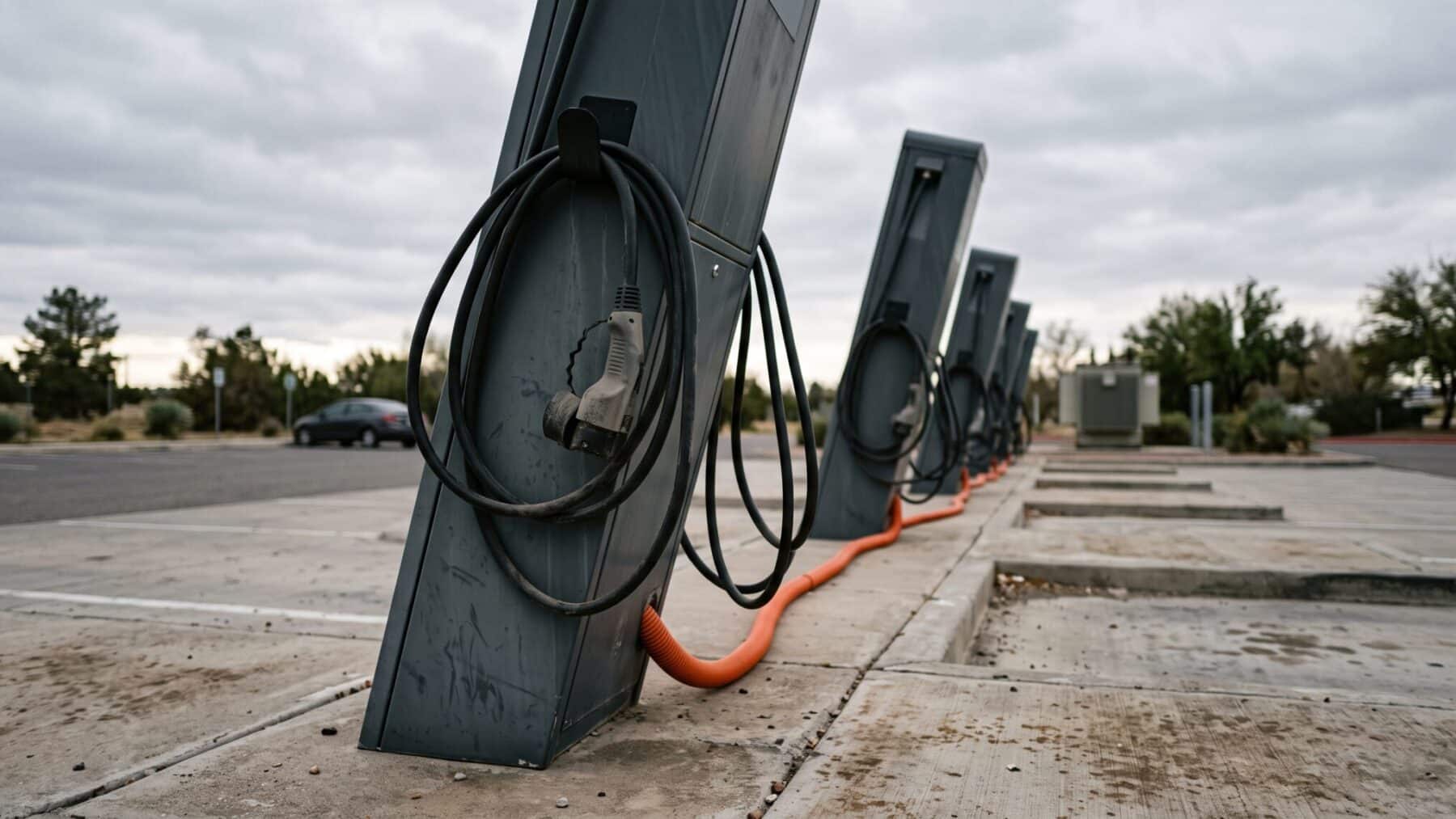
EV charger utilization on ChargePoint’s public network grew nearly 20 percentage points faster than the addition of new charging ports in 2025, according to network data the company released on February 11, 2026. That gap is already drawing attention from grid planners and utilities who say distribution infrastructure faces mounting pressure.
Sessions surge while port count lags
ChargePoint reported that total charging sessions on its network climbed 34% in 2025, while the number of new ports grew by only 16%.
Even with 190,000 more charging ports becoming available to drivers on the ChargePoint network, charger utilization still outpaced the growth of new ports by almost 20%.
ChargePoint enabled more than 100 million EV charging sessions over the past year, and it says demand is now growing faster than new chargers are being installed. More than one million EV drivers now use ChargePoint on a monthly basis.
ChargePoint CEO Rick Wilmer said: “ChargePoint believes we have entered the next phase of EV adoption. Nearly 60% of the 19.3 billion electric miles we’ve enabled in nearly 18 years took place over the most recent two years.”
Wilmer added that new EV sales are no longer the primary benchmark for charger demand, it is the total number of EVs on the road.
DC fast-charging output races higher
Higher-powered DC fast-charging architectures are closing the gap with gas-station refueling times. Higher power output per port eases some congestion pressure, but it also concentrates grid draw. A single DC fast charger running at 150 kilowatts or more can match the instantaneous load of dozens of homes, meaning even modest clusters of fast chargers require distribution upgrades that utilities are still planning for.
ChargePoint’s report argues that charging infrastructure must support a growing share of global electricity demand, and that energy-management technology will be critical to improving network efficiency.
In May and June 2026, the US public DC fast-charging network set new monthly records of roughly 15.8 million and 16.1 million sessions respectively, with June’s year-over-year growth reaching 29%, according to data analytics firm Paren, which monitors more than 99% of US DC fast-charging infrastructure.
In Q2 2026, the total number of DCFC sessions reached 46 million, up 15% from 40 million in Q1, Paren reported.
Grid and utility pressure mounts
Vehicles identified as plug-in hybrids in the ChargePoint mobile app account for 16% of all commercial AC charging sessions managed by the ChargePoint platform, a load source planners have historically underweighted when modeling local feeder demand.
The concentration of charging load is a direct concern for distribution grids. Load from a single EV can equal nearly half the annual electricity consumption of an average US household. That demand can materialize faster and with less notice than traditional loads, a concern amplified when multiplied across millions of vehicles drawing simultaneously on distribution circuits not designed for high-power concurrent draws.
Rate pressure compounds the infrastructure challenge. US utilities filed a record $9.2 billion in rate increase requests in Q2 2026, a trajectory that could make public charging economics harder to sustain if grid upgrade costs are passed through to commercial operators. The strain is also showing up at the commercial depot level, where California’s three largest utilities have each rewritten their rates for sites drawing 600 kilowatts or more, shifting forecasting risk directly onto charging operators.
What comes next for the charging gap
ChargePoint warns that the utilization bottleneck could worsen in 2026 unless the rate of charger installation increases. The company says the trends point to a need for higher-powered charging solutions, the electrification of commercial vehicle fleets, and energy-management technology to support the increasing use and efficiency of charging networks.
Automotive industry data cited by ChargePoint indicates that global EV sales increased 20% in 2025, with European sales growing 33% and the US experiencing its second-best year of EV sales ever. That expanding installed base, rather than the pace of new-vehicle sales, will increasingly set the baseline grid load that distribution planners, utilities, and regulators must plan around in the years ahead.
