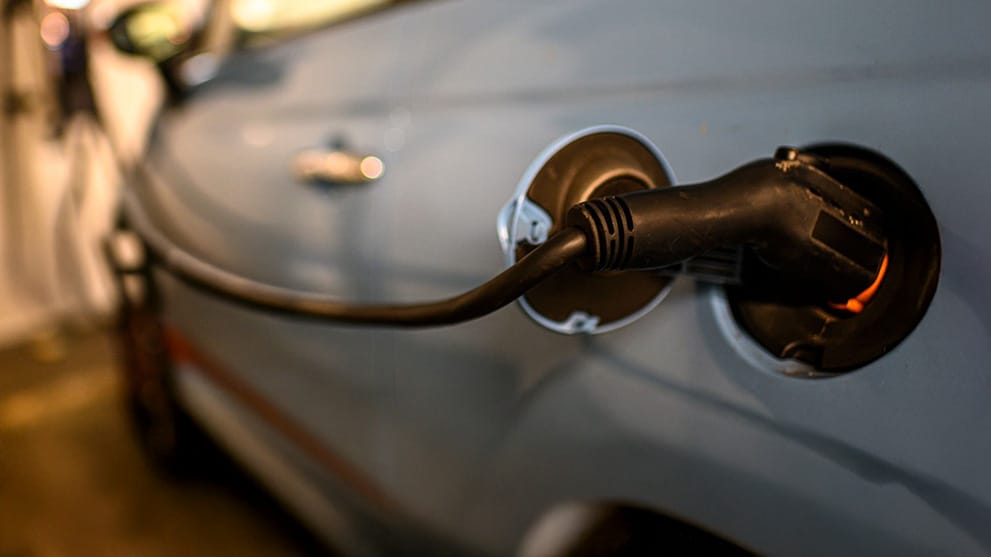
Seattle City Light and the Seattle Department of Transportation will install up to 200 new curbside Level 2 electric vehicle chargers across the city by 2030, the utility announced this week.
The expansion builds on an existing pilot program aimed at residents who cannot charge at home. The project is funded by the voter-approved Seattle Transportation Levy, and applications for new charger locations opened this week.
Why the city is expanding curbside charging
Many people who live in apartments or rely on street parking don’t have consistent access to charging at home.
City officials note that EV adoption in the region continues to climb even as that access gap persists.
Today, around 1 in 4 newly registered vehicles in the greater Seattle area are EVs. Funding for chargers installed outside of Seattle in City Light’s service area, including Burien, SeaTac, Shoreline, and Tukwila, will come from our dedicated transportation electrification budget.
Building on an earlier pilot
In 2023 and 2024, City Light and SDOT completed a pilot program to install curbside EV chargers at 31 locations across Seattle to see if there would be high demand for curbside charging.
Those chargers were successful, drawing high usage numbers and positive feedback from the community. As of June 2025, Seattle City Light has installed 58 public Level 2 curbside electric vehicle (EV) chargers at 31 curbside locations throughout the City of Seattle.
The chargers deliver modest but steady power rather than rapid fast charging. The Level 2 EV chargers installed under this program will provide up to 9.6 kilowatts (kW), and the infrastructure can provide a typical EV with up to 30 miles of range per hour of charge time.
That output profile is designed for overnight or extended-stay charging rather than quick top-offs, similar in spirit to how grid operators elsewhere have begun steering flexible EV load into off-peak windows, as seen in a flexible connections program in California that lets chargers skip lengthy grid upgrade queues.
How the application process works
Residents who want a charger installed near their home can now apply directly. Applications will remain open through fall 2027.
Selection criteria favor underserved neighborhoods. This expanded program builds on the foundation set during the pilot and aims to add new locations in neighborhoods with the fewest existing charging options and the greatest needs.
Part of a broader levy-funded buildout
The curbside expansion is one piece of a larger infrastructure push tied to the transportation levy. The work will complement other Levy-funded EV charging investments planned at parks, community centers, and libraries, ensuring charging is accessible throughout the city.
City-owned curbside charging remains uncommon among US utilities, most of which rely on private operators or third-party site hosts. Seattle City Light will install, own, operate, and maintain the EV chargers.
As more cities weigh how to extend charging access to renters and street-parking households without overloading local distribution circuits, Seattle’s utility-led model offers one template, echoing broader grid-integration questions raised in bidirectional charging pilots now underway elsewhere on the West Coast.
