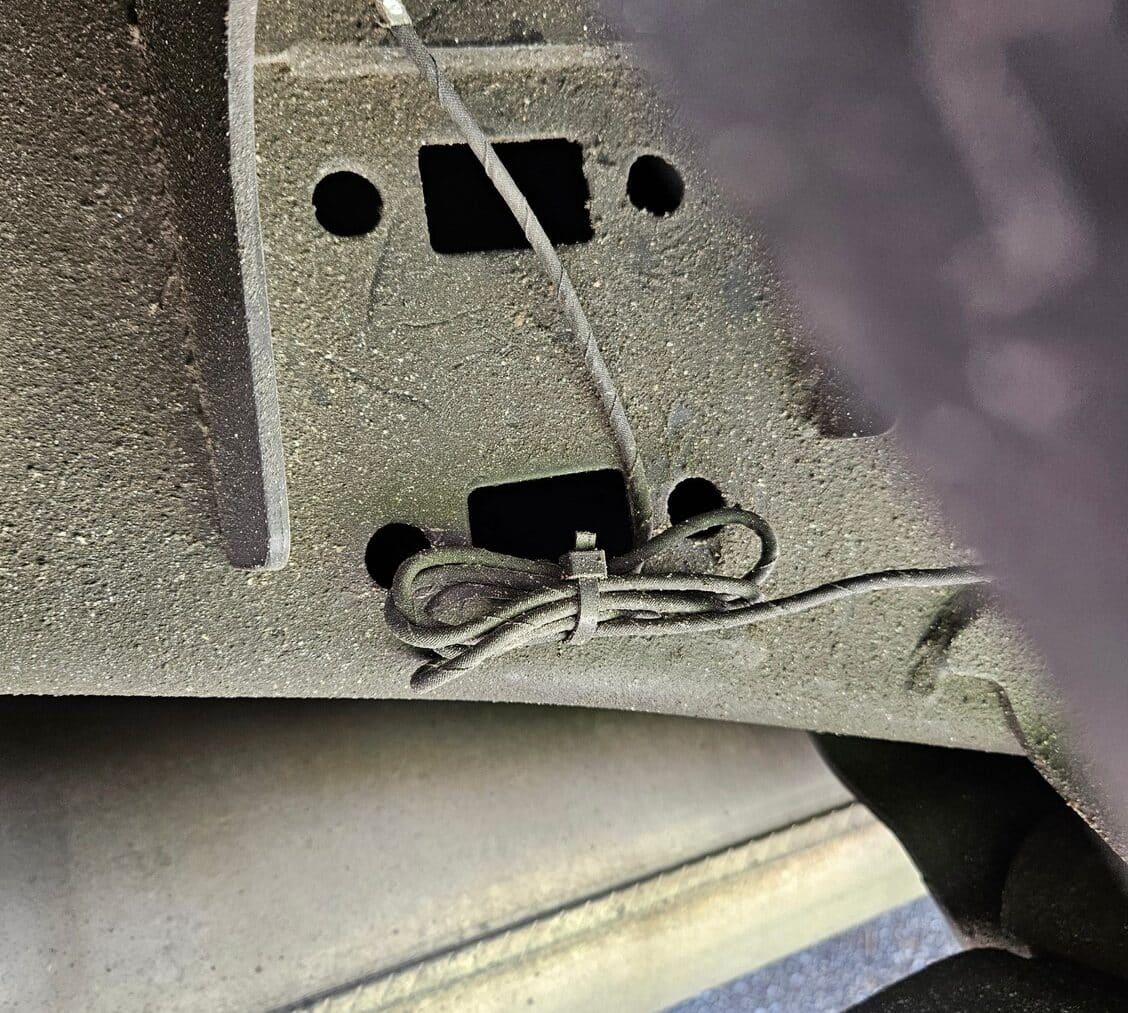
Ford Motor Company is recalling 30,123 F-Series pickup trucks in the United States because a tailgate support cable can fail under heavy loads, according to a recall report filed with the National Highway Traffic Safety Administration.
The affected trucks include 2026-2027 F-150 models and 2026 F-250, F-350 and F-450 Super Duty trucks built within a narrow production window this year.
What the defect involves
According to the National Highway Traffic Safety Administration, the left-side tailgate cable in certain vehicles “may fail under certain heavy load conditions.” A failed cable can cause the tailgate to drop suddenly or lose support while loaded, raising the risk of injury or vehicle damage.
The recall report notes there are no dashboard alerts to warn drivers of the problem before it happens.
The safety recall report states “There are no cluster messages, malfunction indicator lights, or other electronic messaging to the customer.”
According to the NHTSA, the vehicles were produced this year between May 31 and June 16 , putting the affected population within a roughly two-and-a-half-week assembly window rather than spanning multiple model years.
Scope and remedy
The recall involved 30,123 vehicles, according to the NHTSA. Pickups included are 2026-27 Ford F-150, 2026 Ford F-250 SD, 2026 Ford F-350 SD and 2026 Ford F-450.
The National Highway Traffic Safety Administration lists the campaign as NHTSA Recall No. 26V689, while Ford’s internal reference for the fix is 26S78.
According to the recall notice, dealers will replace the affected cable free of charge.
Owners should not expect immediate repair kits. Interim letters, notifying owners of the safety risk, are expected to be mailed December 14, 2026. Additional letters will be sent once the remedy is available, anticipated in January 2027.
The staggered timeline means owners will first receive notice of the risk and later a separate follow-up once replacement parts and dealer instructions are finalized.
Part of a busy recall stretch for Ford
On the heels of recalling certain F-Series pickup trucks over an issue with the speedometer, Ford is issuing another recall for more than 30,100 trucks, this time for an issue involving the tailgate.
The earlier campaign, a recall of 102,159 Ford F-series trucks for speedometers and tachometers that can display inaccurately , was filed under NHTSA campaign 26V653. The analog cluster’s tachometer and speedometer may become stuck or move erratically, providing inaccurate readings to the driver.
That volume of recent recall activity continues a pattern automotive outlets have tracked throughout the year, with Ford’s heavy-duty and light-duty truck lines drawing repeated scrutiny over supplier-linked component defects, from instrument clusters to towing hardware.
The fleet-focused upgrades covered in GCN’s report on a Super Duty truck’s digital speed controls and the business realities detailed in coverage of a half-ton pickup’s towing and payload ratings both underscore how closely towing and hauling hardware is tied to Ford’s current truck lineup.
What owners should do
Owners of potentially affected trucks can check their vehicle identification number through NHTSA’s online recall lookup tool or contact Ford customer service directly for confirmation.
Until the interim notification arrives in mid-December, drivers who tow or haul heavy loads with an affected truck may want to inspect tailgate hardware for visible wear as a precaution, though Ford has not issued a formal interim advisory beyond the forthcoming owner letters.
Ford is not aware of any reports of accidents or injuries related to this condition.
The agency continues to track remedy completion rates as part of its broader oversight of how quickly recalled vehicles get repaired nationwide.
